The constraint is no longer the chip
Nvidia said on 21 October, at GTC Berlin, that it is working with six supply-chain partners to expand global manufacturing capacity for its accelerated computing platform. The partners are Amkor Technology, IBIDEN, King Yuan Electronics, Samsung Electro-Mechanics, Siliconware Precision Industries and Unimicron Technology.
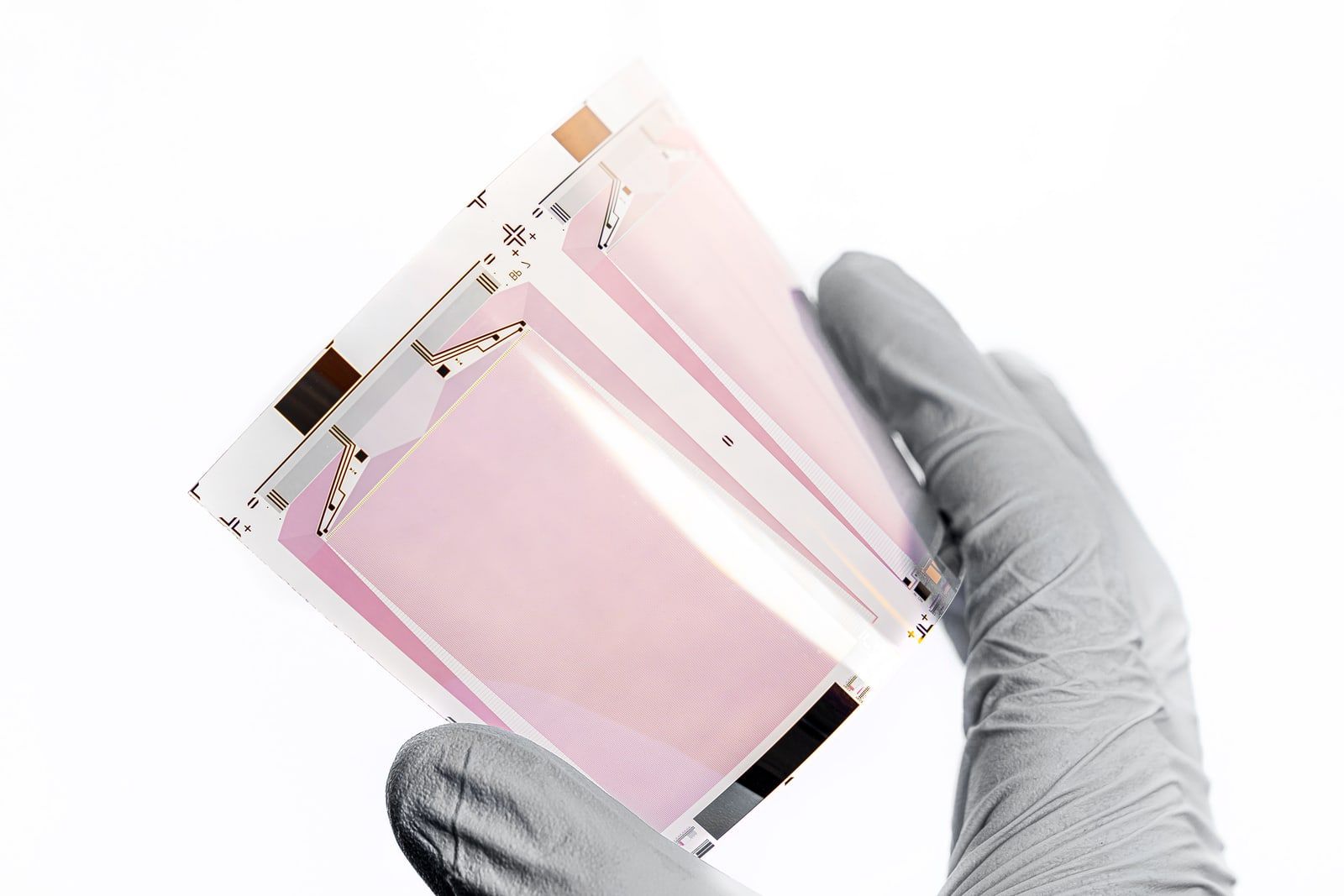
None of them makes a GPU. They make the substrate a processor is mounted on, the interposer that connects the dies, the optical engines that move data between racks, and the test equipment that decides whether a finished part ships. Nvidia’s own framing of the problem is a single line from Jensen Huang, the company’s founder and chief executive: “Capacity is the constraint.”
Where the money is going
The most concrete number is $1.1bn, which Nvidia describes as a capacity reservation advance to King Yuan Electronics for new testing facilities in the United States. Nvidia says high-volume production there is targeted for April 2027, with expanded Singapore testing operations expected to begin high-volume production in February 2027. Taken together, the company says it expects total semiconductor testing capacity to double between calendar 2026 and 2027.
On substrates, Nvidia says it plans a 2.5-times increase in capacity over three years. A multibillion-dollar capacity reservation advance supports IBIDEN’s Ono Plant in Japan, targeting three times the plant’s current levels, with additional capacity expected to ramp in the first quarter of 2028 — an agreement Nvidia says was signed and announced earlier this year. A separate reservation supports Unimicron’s substrate expansion in Taiwan, with additions beginning in the second quarter of 2027 and full capacity by mid-2028.
A new name in the substrate chain
Samsung Electro-Mechanics is joining Nvidia’s substrate supply chain with existing South Korean capacity, and has new factories planned in Sejong and Busan. Nvidia projects that by 2028, the production it has allocated will account for a significant portion of Samsung Electro-Mechanics’ total package substrate output — a claim about a supplier’s future mix rather than a signed volume.
Two further targets sit outside substrates. Amkor is aiming for a more than 300% increase in interposer wafer capacity in South Korea by the end of 2028. Siliconware Precision Industries is targeting a 15-times increase in optical-engine capacity in Taiwan by mid-2027, with another doubling aimed at the end of 2028.
What is signed and what is a target
The release mixes the two, and the distinction matters. The KYEC advance, the IBIDEN agreement and the Unimicron reservation are described as committed arrangements with money attached. The 2.5-times substrate figure, Amkor’s 300%, SPIL’s 15-times and the doubling of test capacity are described as plans, targets and expectations, and the release carries a forward-looking statements disclaimer saying results could differ materially and that Nvidia does not commit to updating the projections.

What to watch
The dates are the test. April 2027 for US testing, February 2027 for Singapore, the second quarter of 2027 for Unimicron and the first quarter of 2028 for IBIDEN are all checkable, and all fall inside the window in which Nvidia’s customers are planning their own buildouts. Huang’s framing of the moment — “We are in the midst of the largest infrastructure buildout in human history” — only holds if the parts arrive.