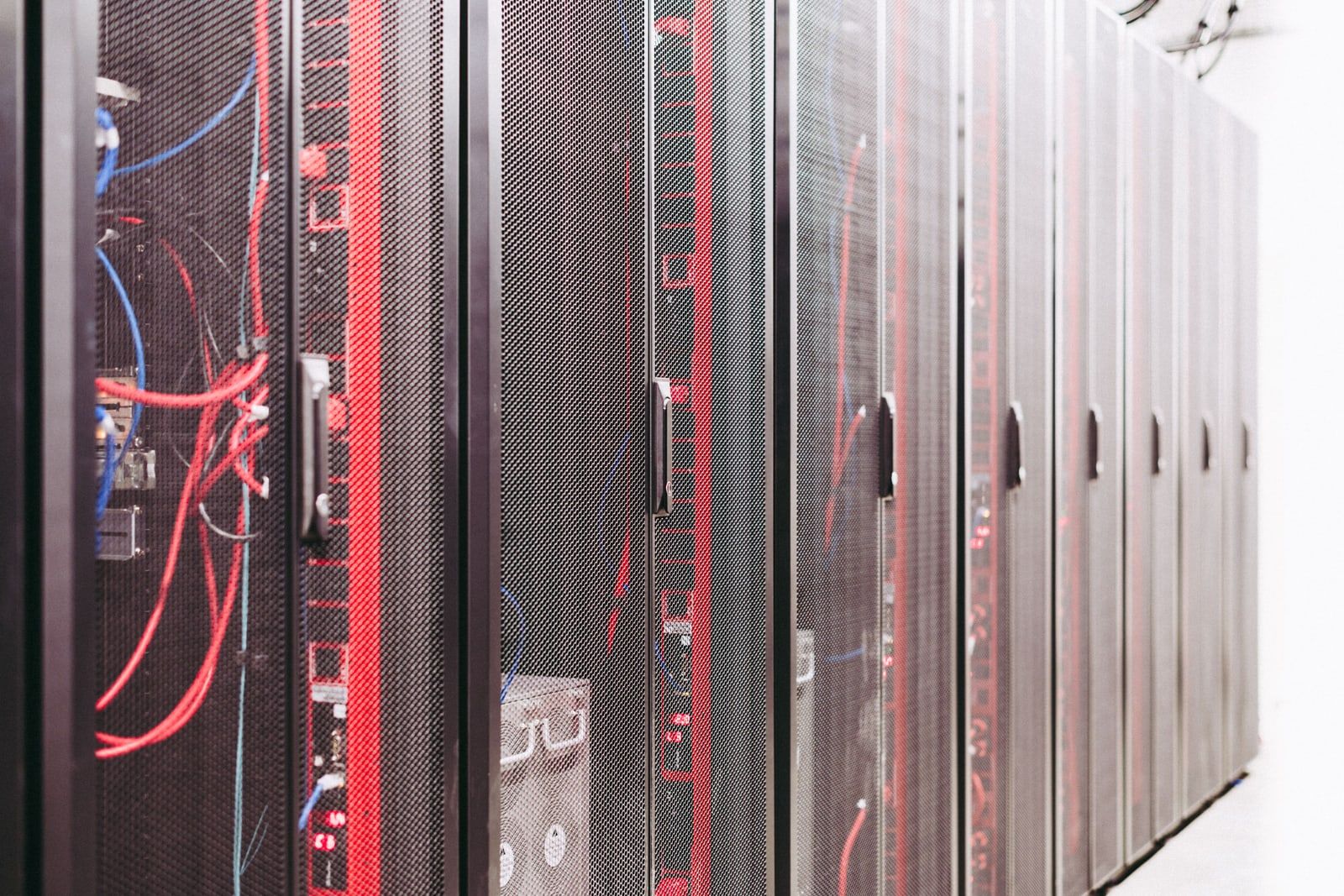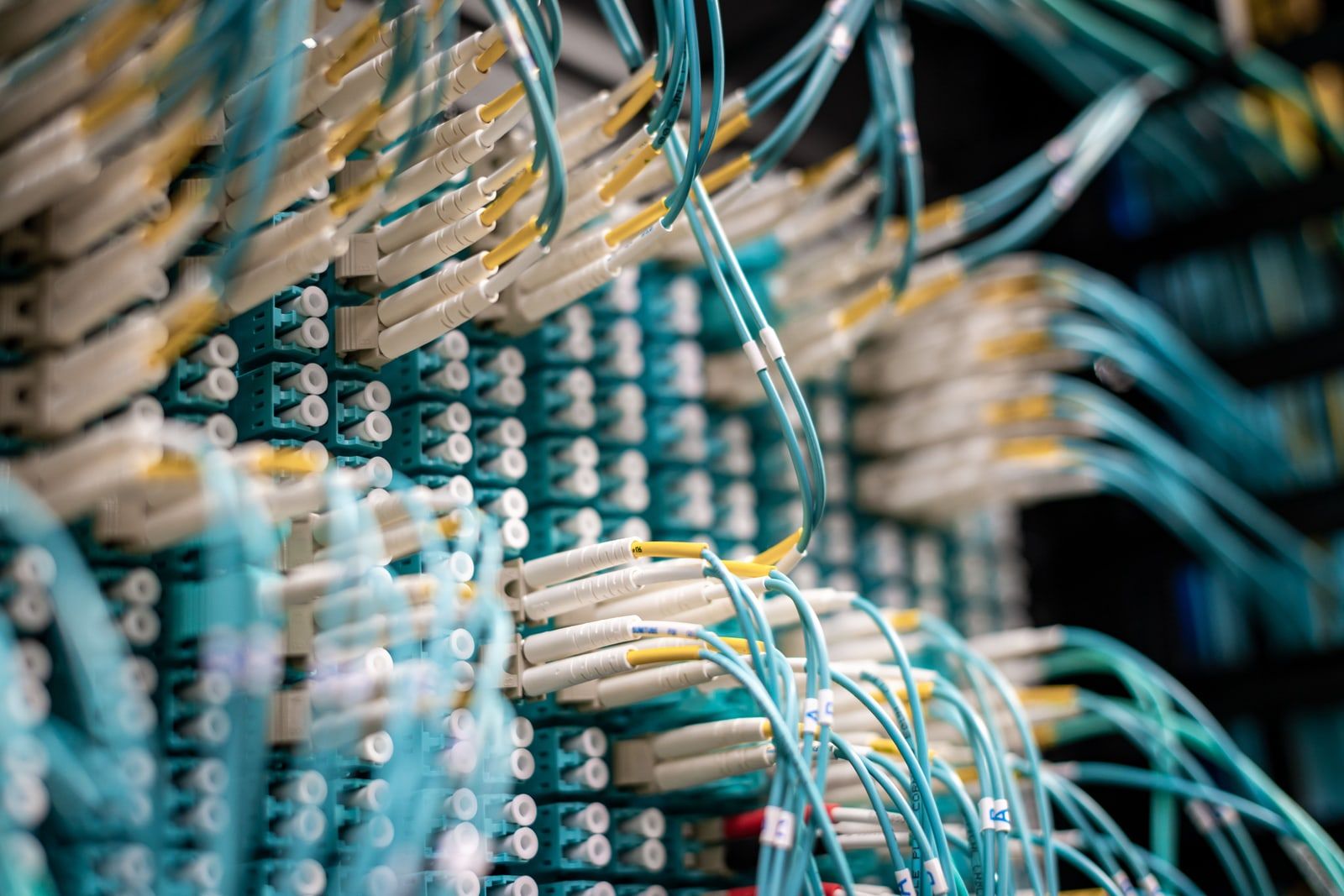
The first thing out of the door is not a computer
PsiQuantum has spent roughly a decade building quantum computers that use photons as qubits, and makes its own optical chips to do it. Semafor reported on 28 October that the company’s first product is not a quantum computer at all. It is an optical circuit switch, which PsiQuantum has been showing to potential customers as a prototype.
An optical circuit switch routes light from one port to another without converting it into an electrical signal and back. That is attractive inside an AI data centre, where the links between GPU servers are already optical and every conversion costs power, heat and latency. The catch has always been loss: every photon that does not make it through is signal you have to pay to put back.
What the prototype measures
PsiQuantum’s own product page describes an 8x8 demonstration vehicle, strictly non-blocking, so every input can reach every output. It lists 1.2 dB insertion loss and 40 dB crosstalk as typical results, and reconfiguration in under 3 ms. The switch has no moving parts and works without amplification or mirrors. The company also claims its silicon photonics platform cuts component loss by 9 to 100 times against industry benchmarks.
The loss number is the one doing the work. PsiQuantum says a switch for an AI data centre needs to stay under 2 to 3 dB; its prototype measured 1.2. Both figures come from the company. The product page gives no test methodology, no comparison data and no date, and labels the measurements as typical rather than guaranteed — so this is a vendor-reported result on a vendor-built demonstration unit, not an independent evaluation.
The claim beyond the bench
Robert Soderbery, PsiQuantum’s executive vice president, told Semafor that separate server racks could operate as one, with data moving between GPUs at the same speed and latency as within a single rack. That is a forward-looking claim about what the technology could enable rather than a measured result, and it depends on scaling well past eight ports.
The company says it is developing larger devices and will announce updates in the coming months. Semafor’s account does not name any customer, and does not say whether samples have shipped.
Who else is in this part of the rack
Purely optical circuit switching is not new in a data centre, but it is rare. Google is the only major hyperscaler Semafor identifies as using it in an AI data centre, and its system uses MEMS mirrors — the moving parts PsiQuantum’s design does without. Lightmatter launched an initiative earlier in 2026 to standardise optics in data centres, and Nvidia has put billions into optical companies including Lumentum and Coherent.
That is the context in which a quantum computing company arrives with a networking product. The photonics PsiQuantum built to move single photons around a quantum processor turns out to be useful for moving ordinary data between racks, and the market for the second is here now.
What to watch is the port count. An 8x8 device shown to prospects is a demonstration; the question that decides whether this becomes a product is whether 1.2 dB survives at 64 ports and beyond, and whether anyone independent gets to measure it.