Anthropic has contracted to spend $518 billion on computing infrastructure over the next decade, and roughly 80% of that sum is either non-cancellable or must be paid regardless of whether the capacity is used. The figures come from the company’s confidential initial public offering prospectus, seen by Reuters reporters Echo Wang and Sabrina Valle.
The document was filed confidentially in June. It is the first itemised account of what it costs to keep a frontier laboratory supplied with compute, and the striking part is not the total but the shape of the obligations behind it.
Four counterparties, and very little room to move
The largest single line is Broadcom: about $161.2 billion of equipment lease obligations, which the prospectus describes as largely non-cancellable. Broadcom partnered with Google in April to supply Anthropic with several gigawatts of TPU capacity.
The cloud commitments follow. Anthropic has undertaken to spend at least $111.1 billion with Google between April 2026 and July 2033, and at least $110 billion with Amazon between May 2026 and April 2036. In both cases, according to the filing, if Anthropic’s actual spending falls short of the number in the contract it must pay the counterparty the difference. A third agreement commits $31.4 billion to Microsoft between November 2026 and May 2033, and the prospectus describes it as non-cancellable except in the event of Microsoft’s uncured material breach.
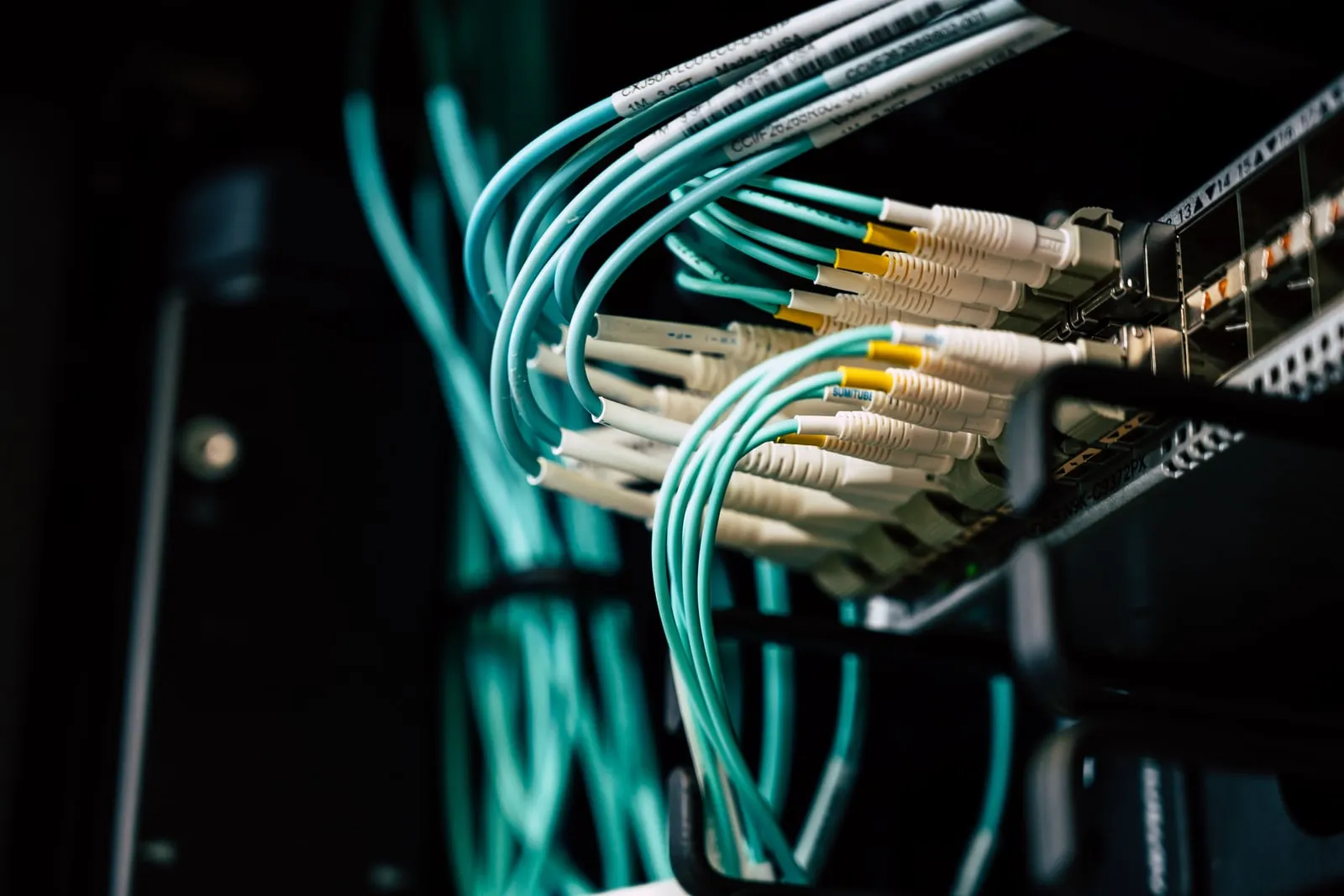
Two arrangements sit outside that pattern. Anthropic disclosed agreements with Elon Musk’s xAI worth up to $84.5 billion for Nvidia-based computing capacity through 2029, which the filing says are largely cancellable on 90 days’ notice. It also has an agreement with AMD covering up to $20 billion of computing capacity alongside a $5 billion commitment to buy AMD stock.
The argument for signing them
Anthropic’s stated reasoning, in the prospectus, is that compute is becoming the binding constraint on the field rather than a cost to be optimised. Demand for advanced systems, the company tells investors, is likely to be limited principally by the availability of compute — so capacity secured now at a known price is worth more than flexibility retained.
That is a defensible position and an expensive one. A take-or-pay contract converts a variable cost into a fixed one. If Anthropic’s revenue grows into the capacity, the contracts look like foresight. If it does not, the company owes the money anyway, and the prospectus is explicit that most of these agreements give it no way to stand down.
Read alongside the rest of the filing
The same prospectus, reported earlier this week, warns prospective investors that Anthropic’s own technology could pose existential risks to humanity, and SiliconANGLE reported that it shows an operating loss of about $8 billion against fast revenue growth. Taken together the three disclosures describe a company that is telling the public market it is loss-making, contractually committed on a decade-long horizon, and building something it says may be dangerous.
The counterparty list is also its own story. Google and Amazon are both Anthropic investors and both its suppliers; Microsoft is the primary backer of its closest competitor; xAI is a direct rival that has agreed to rent it capacity. Very little of the $518 billion is spent at arm’s length.
What to watch
The prospectus is still confidential, so the numbers reported here are Reuters’ reading of a document Anthropic has not published. The public S-1, when it is filed, will show whether these commitments are restated, and whether the company discloses the annual payment schedule behind them. The other thing to watch is the one figure nobody has: what Anthropic expects to earn across the same decade it has already agreed to spend across.