A 54 per cent rise, on top of a year that already doubled
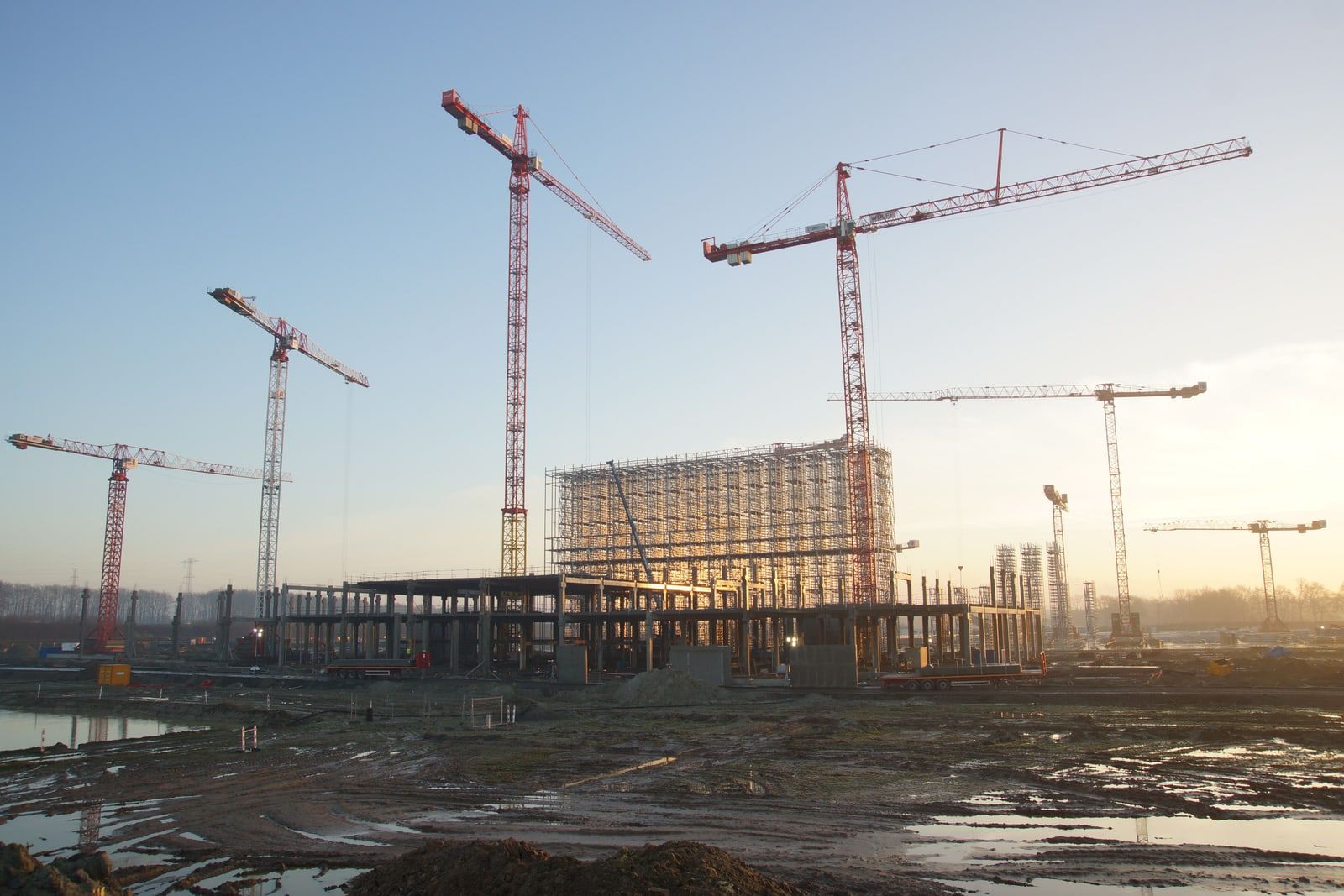
Goldman Sachs strategists led by Ryan Hammond expect the five largest US hyperscalers — Amazon, Alphabet, Microsoft, Oracle and Meta — to spend about $1.2 trillion on AI infrastructure in 2027, according to Bloomberg. That is a rise of more than 50 per cent on the roughly $800bn those companies are on course to spend this year, and it is above the Wall Street consensus figure of $1.1 trillion. Goldman puts 2028 at $1.4 trillion.
The forecast is notable less for its size than for its direction relative to everyone else’s. Analyst consensus has spent the year revising upward and still ending up below where the banks’ own strategists land. Being above consensus is the whole point of the note: Goldman is saying the market has not yet priced how much these five intend to spend.
For scale, the team frames 2027 capital expenditure as a larger share of GDP than any technological investment cycle since the railroad build-out of the late 1800s. That is a comparison economists will argue about, and it is worth noting it is Goldman’s framing rather than an independent calculation.
The revenue that has to arrive
The number in the note that matters most is not the $1.2 trillion. It is $300bn — Goldman’s estimate of the annual AI revenue those companies would need in order to recoup what they are spending.
That figure gives the forecast a testable edge. Spending is announced; revenue is reported. Over the coming quarters the gap between the two will be visible in filings rather than in projections, and it is the gap, not the capex line, that determines whether this cycle is an investment or an overhang.
There is already strain in the surrounding evidence. Oracle, one of the five, sent a force majeure notice on Project Jupiter, the 2.45-gigawatt Stargate site in New Mexico. SoftBank is borrowing about $11bn in the junk bond market to fund its next tranche of OpenAI. Crusoe walked away from a $1.25bn turbine order. None of that contradicts Goldman’s forecast — capex can rise while individual projects fail — but it does mean the build-out is not uniformly smooth.
How it sits against the other big number this month
A Brookings paper published days earlier put the whole US AI build-out at $10.3 trillion, or 3.63 per cent of GDP a year through 2032. The two figures are not alternatives and should not be read as competing: Brookings is counting the entire national build-out over seven years, Goldman is counting five companies’ capital expenditure in one.
What they share is the assumption that the spending continues. Both are projections, and both would be falsified in the same way — by one or more of these companies guiding capex down. That has not happened, and the cadence of announcements this month has run the other way.
What to watch, and where the figure came from
The practical test arrives with the next round of quarterly guidance. Each of the five gives a capital expenditure outlook, and it is those numbers — not a strategist’s model — that will show whether $1.2 trillion for 2027 is conservative, about right, or a peak-of-cycle estimate that gets walked back.
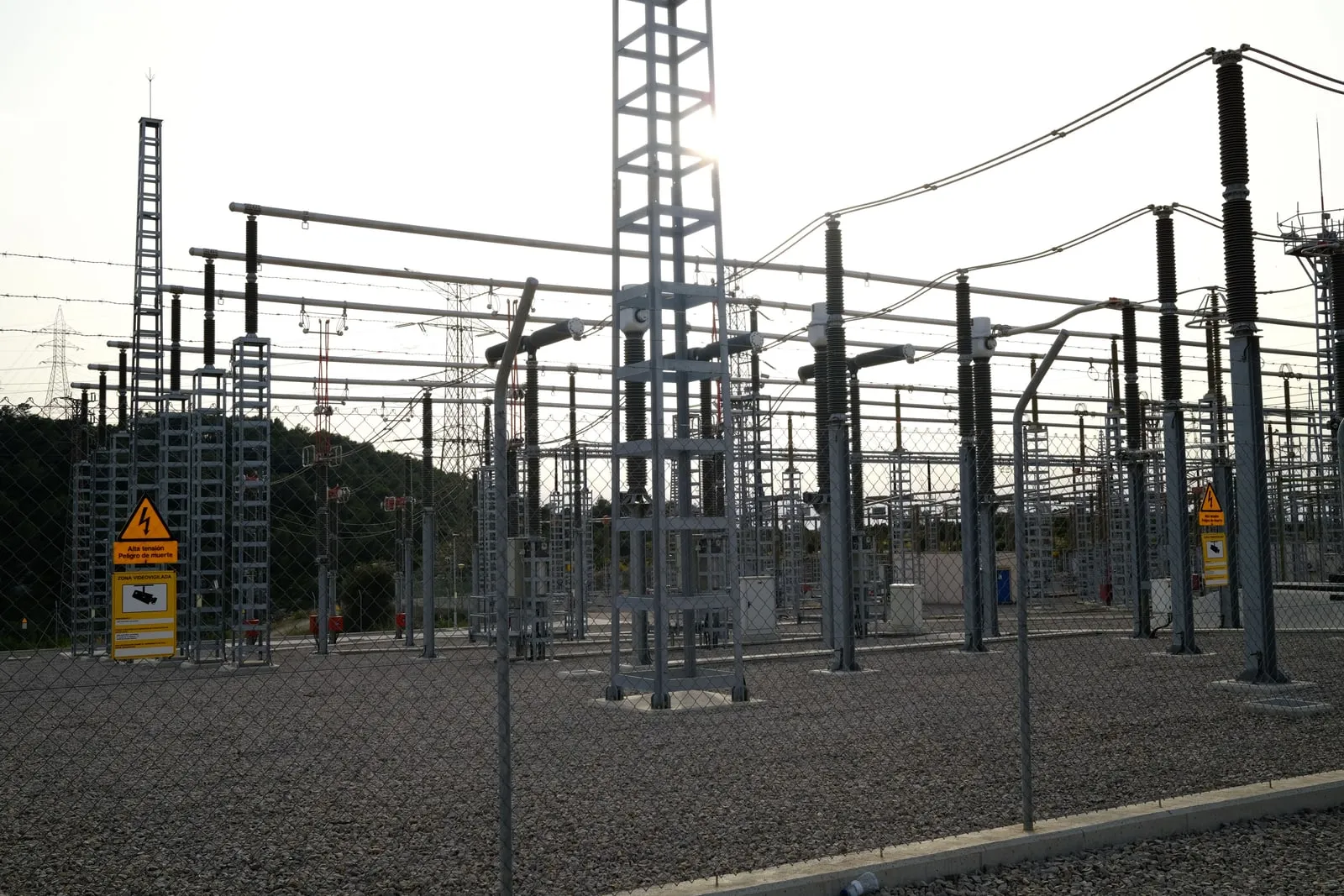
Two second-order things are worth watching alongside them. One is power: the constraint on this build-out has moved from chips to grid connections and generation, and Oracle’s New Mexico notice is a reminder that a gigawatt on a slide is not a gigawatt delivered. The other is the financing mix. SoftBank in the high-yield market is a different signal from Microsoft funding capex out of operating cash flow, and a forecast of $1.2 trillion says nothing about where the money comes from.
This is a sell-side estimate, published in a client note and reported by Bloomberg on 25 September. It is a bank’s model of five companies’ intentions, not a disclosure by any of them, and it should be read as the former.