The filing
PJM Interconnection filed a study agreement at the Federal Energy Regulatory Commission on 13 October covering SoftBank’s roughly 10GW “Flagship” AI data centre complex in Ohio, along with the generation and transmission needed to serve it, Utility Dive reported. The agreement was executed on 25 September, and PJM asked the commission to accept it and make it effective from that date.
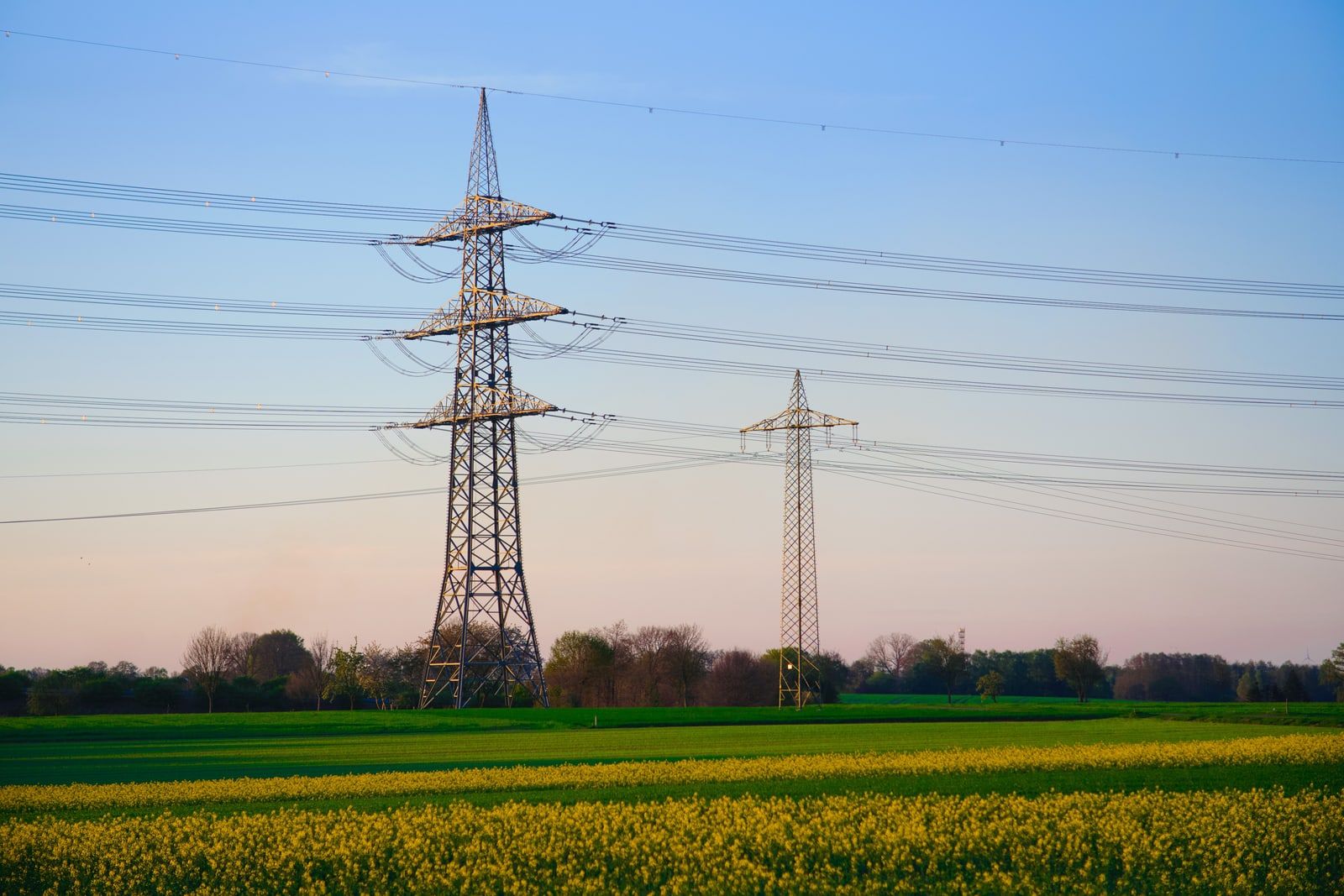
The numbers in the agreement are specific. An AEP Ohio data centre tariff will serve an initial 800MW phase. The study then covers an additional 9.6GW of load and 10.2GW of new gas-fired generation, which SB Energy, a SoftBank company, plans to build in phases through 2032. AEP Ohio plans three 765-kV transmission lines and related infrastructure to serve the project.
Most of the complex would sit at the US Department of Energy’s Portsmouth Gaseous Diffusion Plant in Pike County, a former uranium enrichment facility. Some of the generation would be about 30 miles away. The White House announced Flagship in mid-February as part of a $550bn trade deal with Japan.

Why the route matters
PJM is not using its ordinary interconnection queue. It is using the State Agreement Approach, a mechanism under which a state, or a group of states, asks the grid operator to study specific projects needed to meet state policy — and under which projects built that way are paid for by consumers in the requesting state. Ohio made the request; RTO Insider reported in September that the Public Utilities Commission of Ohio had asked PJM to initiate the approach for what is formally the PORTS-Pike Technology Campus.
PJM told the commission the study agreement is how it will conduct an integrated evaluation “while PJM continues development of a more formalized process to study requests of this nature.” In other words, the instrument being used for a 10GW campus does not yet have a settled procedure behind it.
Who pays
PJM says SB Energy will pay for the generation and transmission infrastructure built to serve the data centres, and describes that as consistent with its Ratepayer Protection Pledge. The commitments include infrastructure payment obligations that apply regardless of how much electricity the complex actually consumes, which is the protection that matters if the load arrives later or smaller than promised. SB Energy will also make excess generation and transmission capacity available to the grid.
That is a commitment, not an allocation. Specific cost allocation and recovery mechanisms remain subject to future proceedings at the Public Utilities Commission of Ohio and at FERC. While the reliability studies run, PJM says it will work with Ohio and other parties on a cost allocation methodology for state agreement public policy projects that the commission decides to sponsor.
What the study will not do
PJM was explicit about the limits. The studies “will not themselves select transmission projects or designated entities,” set cost allocations, or grant transmission service or interconnection rights to the Flagship project. What they will do is assess whether the grid can reliably serve the campus without shifting project costs onto other customers, and whether the transmission facilities AEP Ohio has identified are sufficient — and if they are not, identify what else is needed.
The filing also shows the figures are not yet settled across sources. Utility Dive cites an estimated $33bn for 9.2GW of gas-fired generation, against the 10.2GW in PJM’s own agreement.
What to watch
Two things. First, whether FERC accepts the backdated effective date and the use of the State Agreement Approach for a project of this size, which would set the template for the next one. Second, the cost allocation methodology PJM says it is developing with Ohio in parallel: under the approach as it stands, the bill for public policy projects falls on the requesting state’s consumers, and the question of how much of a 10GW private campus counts as public policy has not been answered.