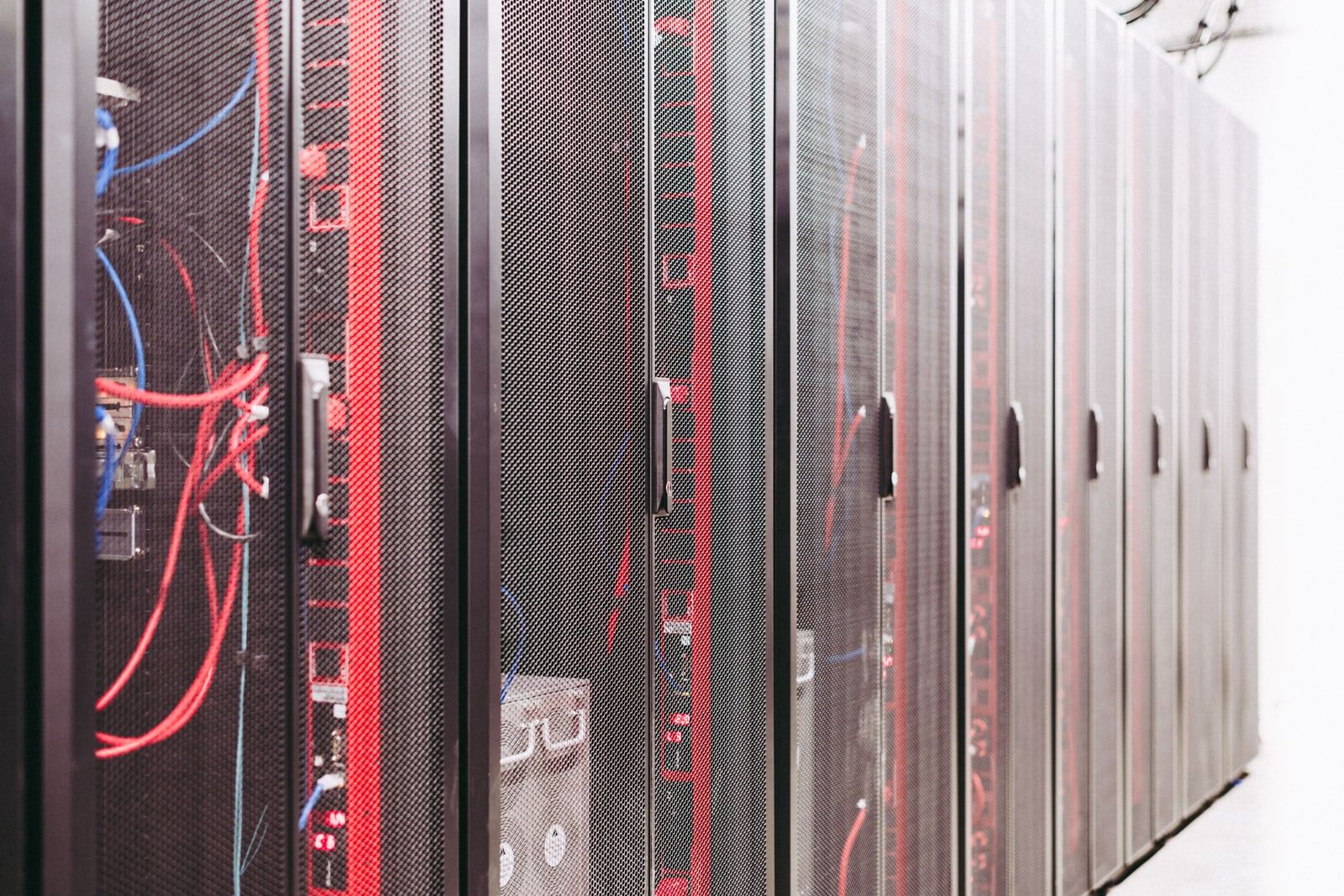
Meta claimed $3.912bn in US federal research and development tax credits for 2025 — more than any other publicly traded company — after treating its AI data centres as “pilot models” and the chips inside them as supplies consumed in experiments, according to an investigation published by the New York Times on 30 September.
The figure has risen steeply. The same credit saved Meta about $700m in 2023 and about $2bn in 2024. The treatment reportedly began in 2024.
How the credit is supposed to work
The research and experimentation credit was written into US law in 1981 to subsidise work whose outcome is genuinely uncertain. Supplies qualify when they are non-depreciable tangible property used directly in qualified research. Depreciable property — the category a data centre full of accelerators would normally fall into — does not qualify.
Meta’s position, as the Times describes it, is that building and operating the clusters is itself the research. The company has published engineering work consistent with that framing: a March 2024 post described testing two clusters of 24,576 GPUs each, built with different network designs, to find out which performed better.
What tax specialists told the paper
The reaction was split. Tax lawyer Jeffrey Moeller said commercially available, proven products could qualify as research supplies where they are needed to resolve technical uncertainty in a project. Shawn Marchant said he would be sceptical of the approach broadly. Andre Shevchuck, a partner at the advisory firm BPM who specialises in the credit, called describing AI data centres as experimental “kind of wild and out there”.
The Internal Revenue Service has previously pushed back on claims that applied the credit to proven, commercially available equipment.

Meta’s own filings put a number on the risk
The most telling figure is one Meta reports itself. As of 30 June 2026 the company carried $18.74bn in gross unrecognised tax benefits, covering both research credits and foreign transfer pricing — a reserve a company holds when it does not expect every position it has taken to survive examination.
Meta spokesman Andy Stone defended the credit as an incentive Congress created to support domestic investment. The company spent $57bn on research and development in 2025 and has not disclosed how much of the credit came from data centres.
The auditor is also a vendor
Meta’s auditor, EY, signed off on the treatment and has since pitched the same approach to other companies looking to offset AI chip purchases. That is the part with consequences beyond one company: if the position holds, the cost of the AI build-out shifts partly onto the US federal budget by default rather than by a decision anyone voted on.
What to watch
Whether the IRS opens an examination, and whether any other hyperscaler’s next filing shows a comparable jump in research credits. The reserve Meta is carrying is the clearest signal available of how confident its own accountants are.