A second source for the bottleneck
GlobalFoundries announced an agreement with TSMC on 8 October to establish a US-based supply of silicon interposers for TSMC’s CoWoS advanced packaging ecosystem. The release describes a multi-year agreement worth $2 billion, with an initial term of five years and a framework for future capacity expansion.
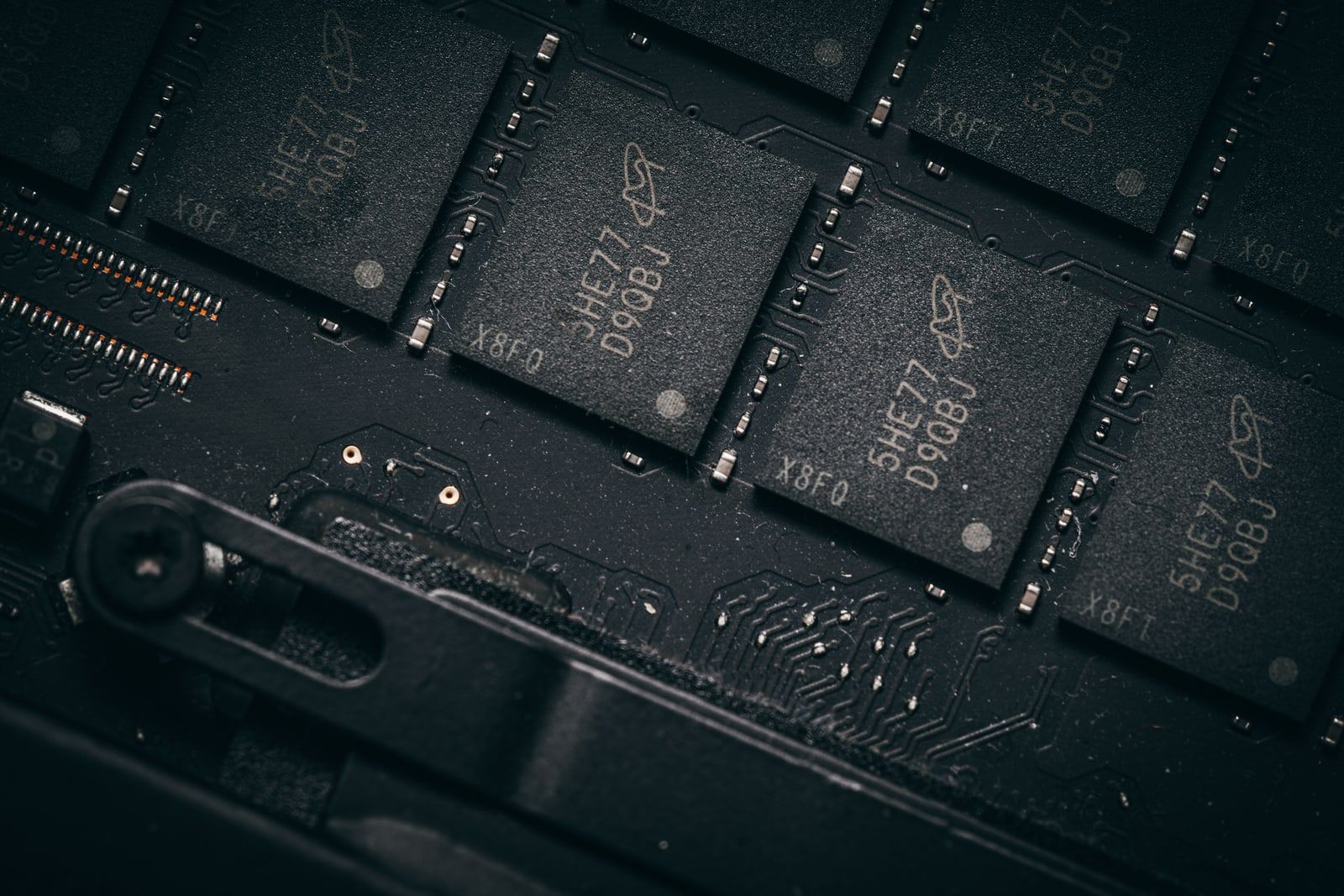
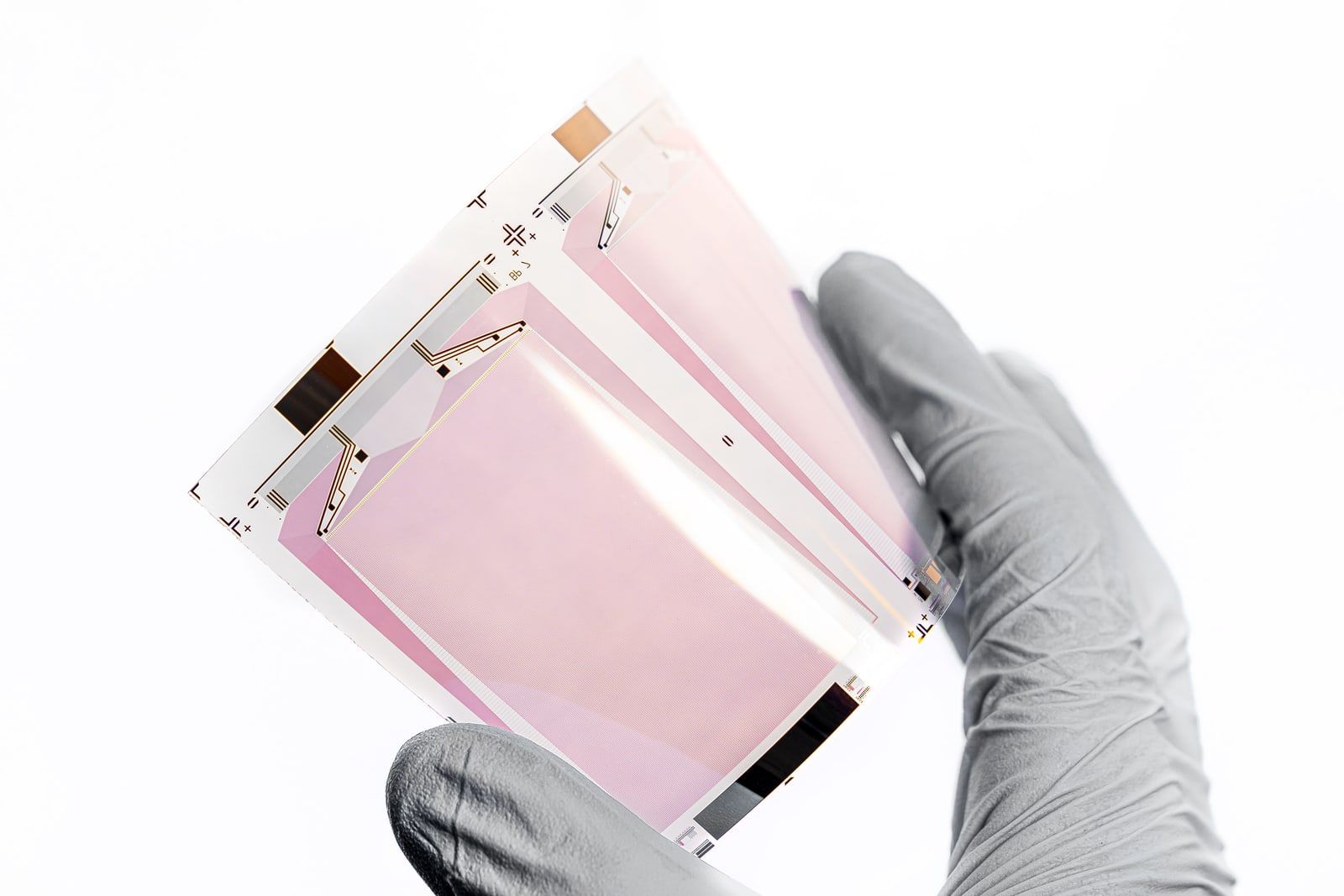
An interposer is the slab of silicon that sits beneath a processor and its stacks of high-bandwidth memory, carrying the wiring that lets them exchange data fast enough to be worth building. CoWoS is TSMC’s method of assembling those pieces, and for two years it has been the step that decides how many AI accelerators actually exist, rather than how many were designed.
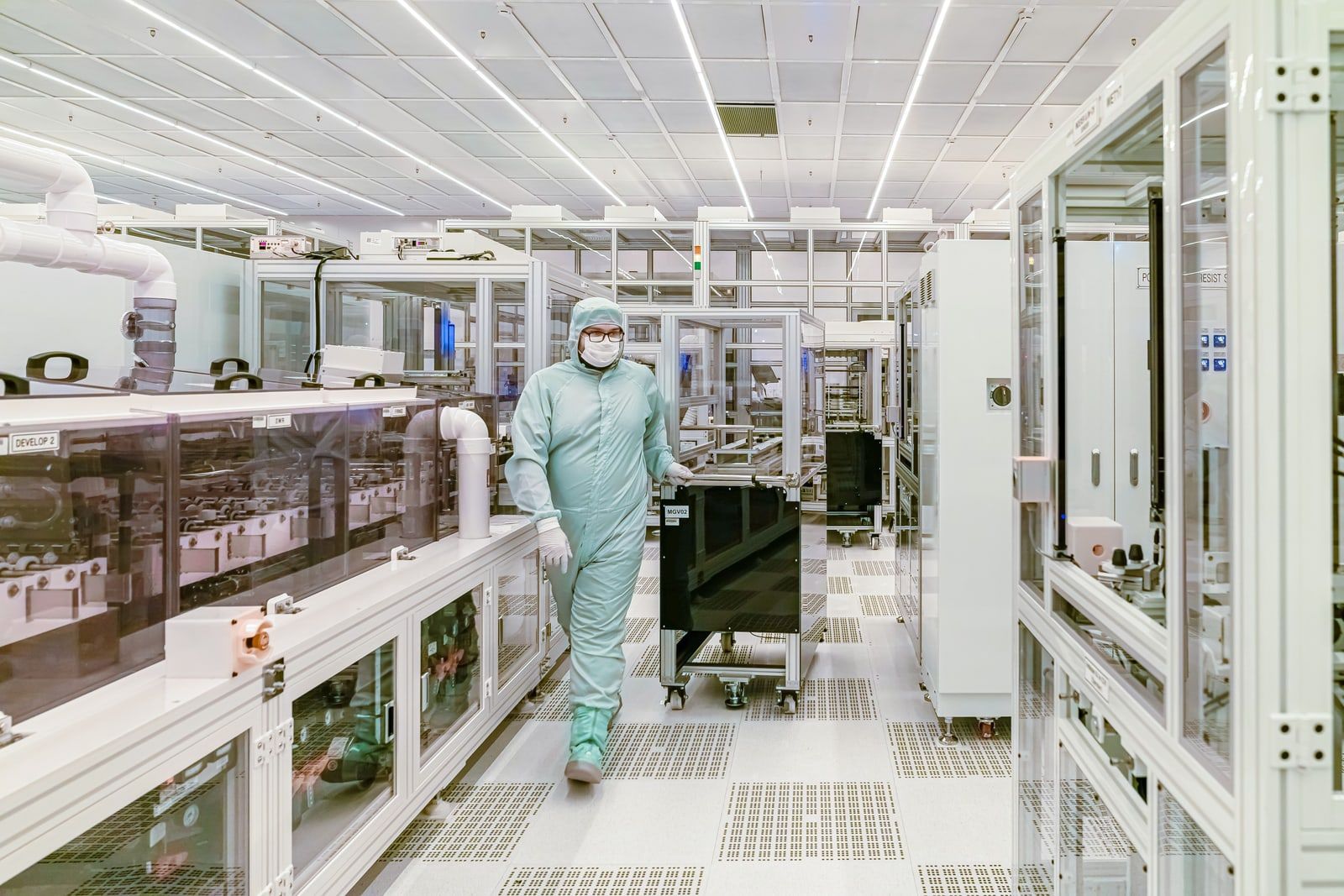
GlobalFoundries will add fabrication capacity at its facility in Malta, New York, and says it expects to support advanced packaging technologies that include embedded deep trench capacitor components.
Not before 2028
The timing is the part that matters most and travels least. Volume production is expected to begin ramping in the first half of 2028. That is roughly eighteen months away at the earliest, which means this agreement does nothing for the accelerator supply of the next two product cycles.
What it does is change where the supply comes from after that. Advanced packaging capacity is concentrated in Taiwan, and a US source for a component this far upstream is a structural change rather than a volume one.
Two companies that used to sue each other
Ed Kaste, senior vice president of CMOS business at GlobalFoundries, said in the release that “advanced packaging is becoming increasingly critical to delivering the performance”, and framed the arrangement as “a secure, scalable source of essential advanced-packaging elements”.
The context he did not mention is that these are not natural partners. TSMC sued GlobalFoundries for patent infringement in 2019. The companies compete directly on mature nodes. That TSMC is now contracting a competitor to make a component its own flagship packaging depends on says something about how tight that capacity has become.
Where the money comes from
The release does not tie the agreement to any specific government grant. It mentions possible funding under the US CHIPS and Science Act and New York State’s Green CHIPS programme only in its risk disclosures, noting that expansion plans could change if expected funding is delayed or withheld.
That is a meaningful caveat on a 2028 date. The ramp is not fully financed by the contract alone.
The market read it as good news for the smaller company
GlobalFoundries shares rose more than 3% to $49.86 on Thursday morning, according to Proactive Investors. Spread across five years, $2bn is a few hundred million dollars a year against a company of GlobalFoundries’ size — material, not transformative. The re-rating is less about the revenue than about the customer.
What to watch
Three things. Whether the CHIPS and Green CHIPS funding referenced in the risk disclosures actually lands, because the first-half-2028 date depends on it. Whether TSMC signs comparable interposer deals elsewhere, which would mark this as the start of a deliberate second-sourcing strategy rather than a one-off. And whether anything bridges the gap before 2028, because until then the packaging bottleneck is exactly where it was this morning.