What was published
China’s Ministry of Commerce and Ministry of Science and Technology issued Announcement No. 48 of 2026 on 16 October, opening public consultation on a revision of the Catalogue of Technologies Prohibited and Restricted from Export. The revision would add 40 technologies across three fields.
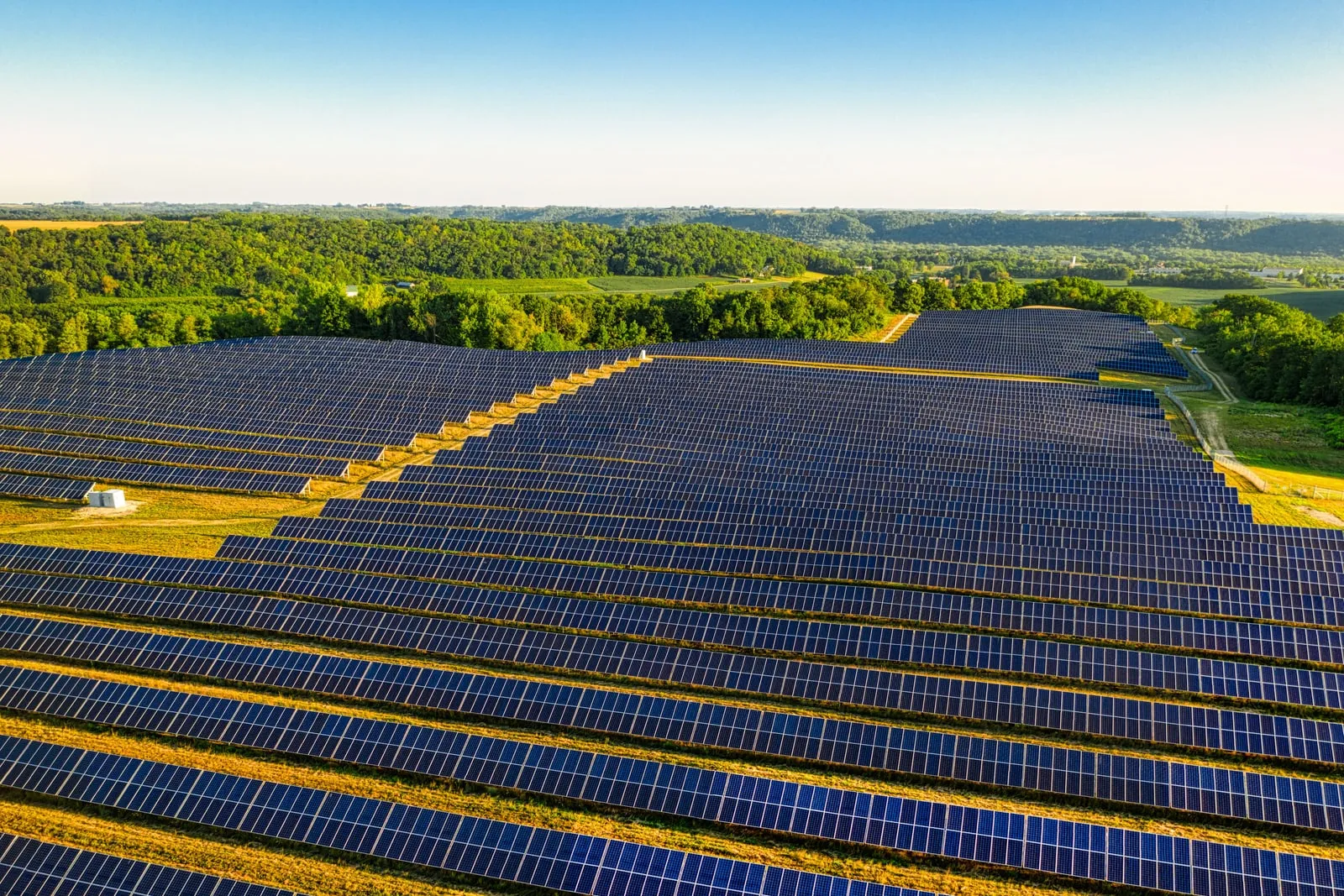
Twenty-three of them are artificial intelligence. The announcement describes that group as covering large models, agents, computing clusters and information processing. Five entries are biomedicine, covering cell and gene therapy, small nucleic acid drugs and technologies related to pathogenic microorganisms. Twelve are photovoltaics, covering polysilicon, wafer and cell manufacturing; for that field the scope explicitly reaches the key and core equipment that carries the technology.
The legal basis the ministries cite is China’s Foreign Trade Law and its Regulations on the Administration of Technology Import and Export. The catalogue is the instrument that sorts technologies into those banned from export and those requiring a licence, so adding an entry changes whether a transfer needs the state’s permission.
The part that already applies
The consultation runs from 16 October to 15 November 2026, with comments accepted by email, fax or post to the ministry’s Department of Security and Export Control. Organisations have to stamp their submission with an official seal. The ministries say they want views on the scope of the new entries, on the indicators used to define them, on the control policy and on facilitation measures — which means the numerical thresholds are themselves still in play.
The interim measure is not. From the date of the announcement until the revised catalogue is formally issued and takes effect, exporters of the listed technologies must register on the ministry’s unified business platform before exporting. Transactions that have already begun but are not yet complete are covered too.
Registration applies to four situations: transferring ownership of a technology abroad, such as assigning intellectual property; licensing a domestic technology for use overseas; a change in the ownership or actual control of a domestic technology holder to a foreign entity; and any other case the ministry specifies by notice. The filing requires basic details of the exporter and the recipient, the destination country or region, the technology and its intended use, and the expected value of the export.

What is carved out
One exclusion is written into the announcement in plain terms: AI technologies that have already entered the public domain through open-source release or the publication of academic papers are not brought within the scope of management. That matters more in China than it would in most jurisdictions, because the country’s labs — DeepSeek, Alibaba’s Qwen, Moonshot, Zhipu — have made open weights their main route to international reach.
For biomedicine, the announcement allows licensing arrangements that do not transfer ownership to use an automatic-licensing facilitation.
What to watch
The draft annex, where the indicators live, is what determines how wide this is. A threshold set high enough to catch only frontier systems is a different policy from one that catches a mid-sized model, and the ministries have invited comment on exactly that question until 15 November. The second thing to watch is the registration filings: because they start immediately and cover deals already in progress, they give Beijing a picture of which Chinese AI technology is being licensed abroad, and to whom, before any new control rule exists.