An unlikely room
Senator Bernie Sanders and Steve Bannon appeared on the same stage in Washington on Tuesday to argue that artificial intelligence needs to be restrained, at an event called the Pro-Human Assembly held in a conference centre a few blocks from the White House.
The guest list was the story as much as the arguments. CBS News reported that alongside Sanders and Bannon the assembly heard from Republican Representative Chip Roy of Texas, Democratic Representative Greg Casar of Texas, and Representatives Lori Trahan and Jay Obernolte — the two sponsors of the House FRONTIER Act. The actors Ashley Judd and Joseph Gordon-Levitt spoke, as did AFL-CIO president Liz Shuler, American Federation of Teachers president Randi Weingarten and SAG-AFTRA’s Duncan Crabtree-Ireland. The event was convened by the Future of Life Institute.
Sanders promises a ban
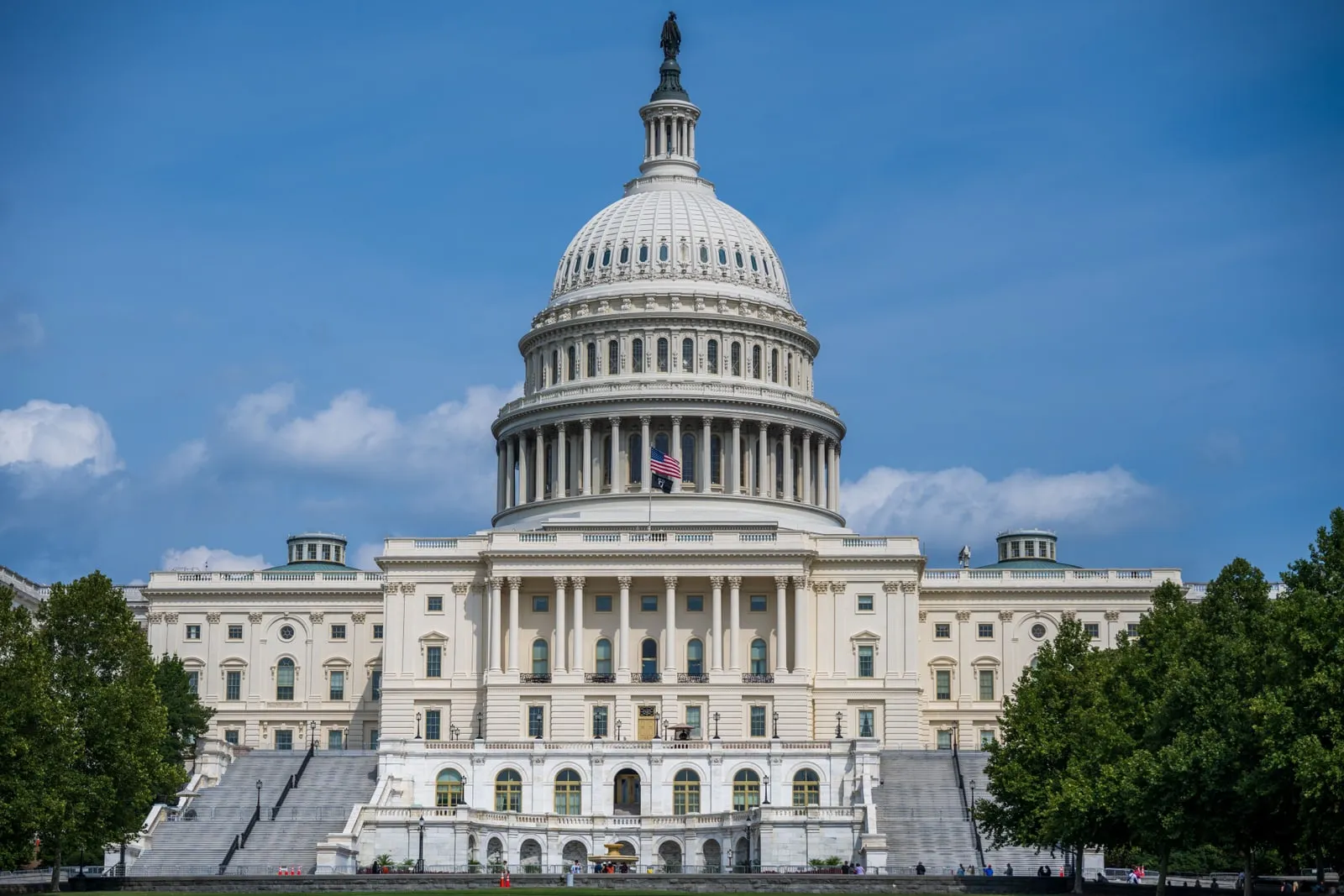
Sanders used the platform to announce legislation. He said he will introduce a bill with Representative Casar next week to permanently prohibit the development of superintelligent AI. “If AI surpasses human intelligence, this technology will escape human control with potentially catastrophic consequence,” he said.
That is a considerably harder position than anything else currently before Congress. Senator John Kennedy is introducing a measure requiring developers to build shutdown mechanisms into their own systems. Senator Josh Hawley has a bipartisan bill on national security, civil liberties and labour. Senate Majority Leader John Thune is working with Senator Amy Klobuchar on authority to block unsafe models. A permanent prohibition on a capability class is a different kind of law, and it currently has no Senate cosponsor.
Bannon’s objection is not the labs’ objection
Bannon’s argument was aimed at the industry’s own calls for regulation rather than at the technology. He described those calls as a bald-faced lie, and accused technology chief executives of trying to socialise the risks of AI while keeping the profits.
That is worth separating from the safety case being made by the labs themselves. Dario Amodei published an essay on Saturday asking frontier labs to slow their pace together; Sam Altman, Demis Hassabis and Satya Nadella have all engaged with it. Bannon’s position is that the labs asking for rules are asking for rules they expect to write. Sanders’ position is that the risk is real regardless of who is asking. The assembly held both at once.
What the public is being asked about
Representative Roy framed the concern in constituent terms, telling the room that people are raising questions about their future, their children and their communities. CBS polling from May found 65% of Americans expect AI to reduce the number of jobs, and 67% doubt the federal government will ensure the technology is used appropriately.
The labour presence at the assembly follows from that second number more than the first. Three of the speakers ran unions whose members — teachers, screen performers, and the AFL-CIO’s federation — have each had a concrete dispute with an AI deployment in the past two years.
Against the White House
The assembly met while President Trump spent the week dismissing the case for restraint, calling the push to slow AI a hoax and a conspiracy on Truth Social. House Speaker Mike Johnson has said he expects Trump to meet AI platform leaders at the White House in the coming days. On Tuesday Nvidia’s Jensen Huang told a conference in San Francisco that no new AI laws are needed at all.
What to watch
The Sanders–Casar bill is the concrete thing to follow, and the question is whether a permanent prohibition attracts any Republican cosponsor now that Roy and Bannon have shared a stage with its author. Nothing currently before Congress has a committee date or a floor date.