The structure is the story
Nscale said on Friday it has raised $3.36 billion through convertible loan notes led by the hedge fund Third Point, days after filing to list in New York.
The money arrives in two parts. An initial tranche of $2.36 billion closed with the announcement. A further $1 billion committed by Nvidia is expected to fund in mid-November. The notes convert automatically into ordinary shares when the flotation completes — into non-voting shares in Nvidia’s case, which keeps the chipmaker’s stake off the share register’s voting column.
That is an unusual instrument for a company weeks from an IPO, and it is why the round is worth reading closely: the investors are not buying shares at a price, they are lending against one.
Who is in it
Third Point led. Alongside Nvidia the notes were taken up by funds managed by Apollo, Citadel, Hudson Bay Capital, the Abu Dhabi Investment Council, 8090 Industries, Davidson Kempner, Qube Research & Technologies, Context Capital Management, Longaeva Partners, Wellington Management, Castleknight, Ghisallo Capital Management, LionTree Investment Fund, Javelin Venture Partners and Irving Investors. Goldman Sachs & Co. acted as placement agent.
“This marks a milestone for Nscale as we continue scaling our full-stack AI infrastructure to meet unprecedented global demand,” founder and chief executive Josh Payne said in the announcement. “With the backing of these world-class investors, we are strongly positioned to accelerate our data center buildouts globally.”
The contract book
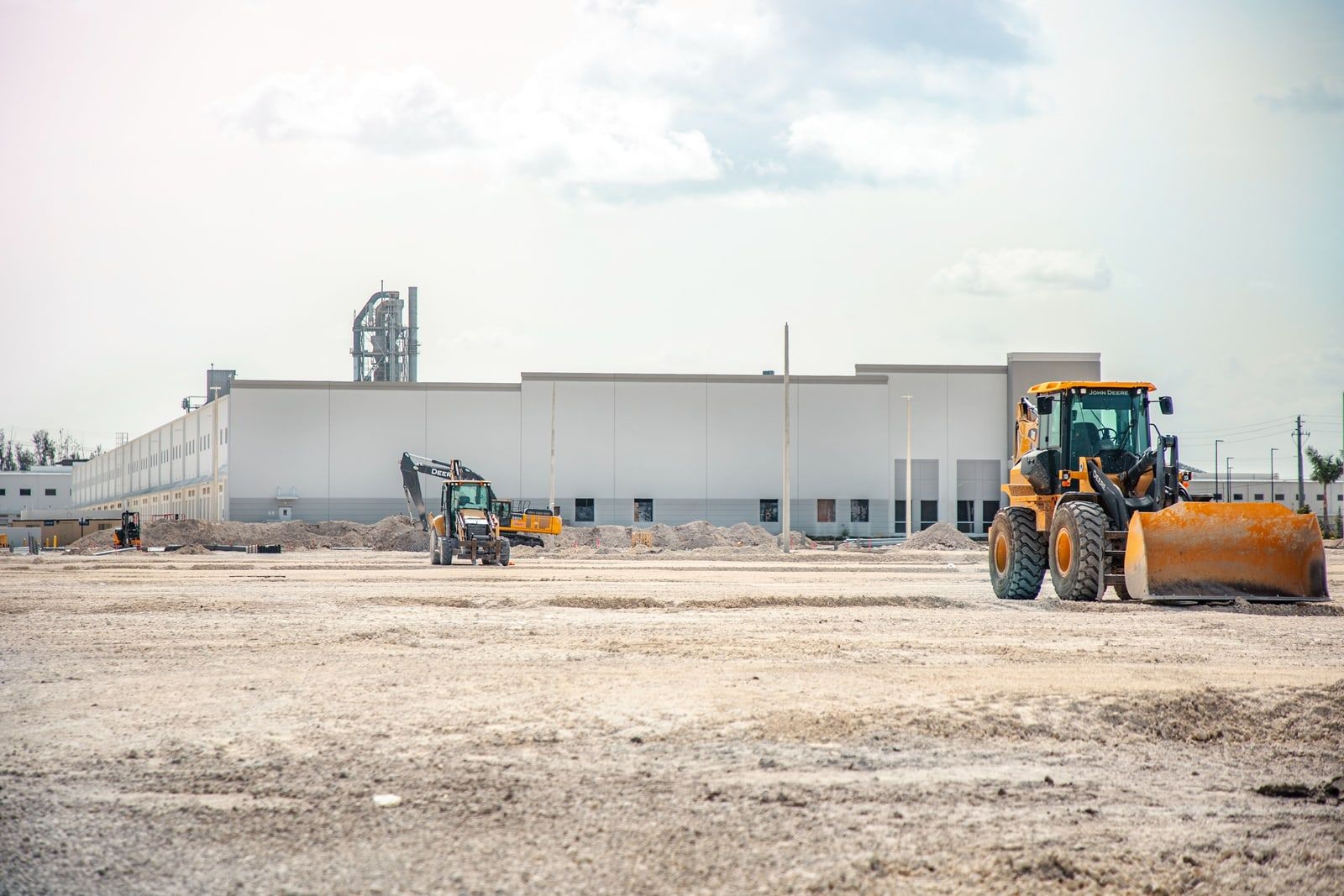
Nscale puts its total contracted value above $103 billion. The largest single line in it is the $44.6 billion agreement with Anthropic that underpinned its listing filing last week. The company is building campuses in Norway and West Virginia.
Nscale is two years out of Arkon Energy, an Australian cryptocurrency mining business, which is a short time in which to sign a contract book of that size. It is expected to debut on the New York Stock Exchange at around a $35 billion valuation and to raise about $3 billion in the offering, TechCrunch reported, citing the Financial Times and Bloomberg.

Why borrow before selling
The obvious question is why a company about to raise $3 billion on the public market needed $3.36 billion privately first. The answer is timing rather than appetite: data centre construction is paid for in advance of the revenue it carries, and a listing schedule does not bend to a grid connection date. Convertible notes let the buildout continue at the pace the contracts demand while the flotation goes through its own process.
It also means the IPO is no longer the event that determines whether the campuses get built. It is the event that determines what price these lenders paid.
What to watch
Two dates. Nvidia’s $1 billion is due in mid-November, which puts a marker on when the company expects to be listed or close to it. And the conversion itself is contingent on the offering completing — if the listing slips, the notes stay notes.
The wider question is the one the Brookings paper on the American build-out raised this week: how much of the AI infrastructure boom is funded by instruments that only work if the demand curve holds. Nscale’s answer is a contract book of $103 billion. Its investors have now priced that answer twice.