A plan to triple capacity
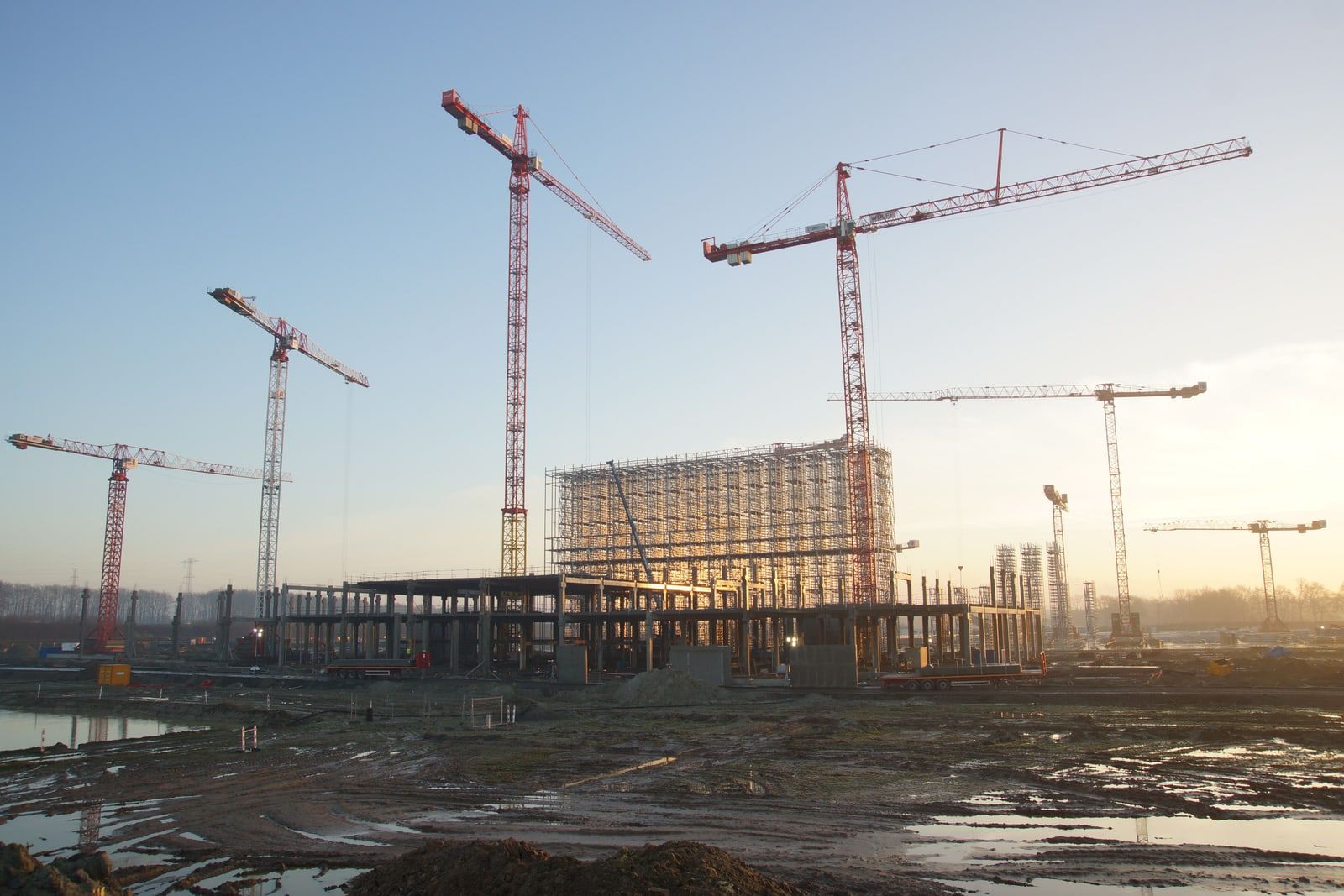
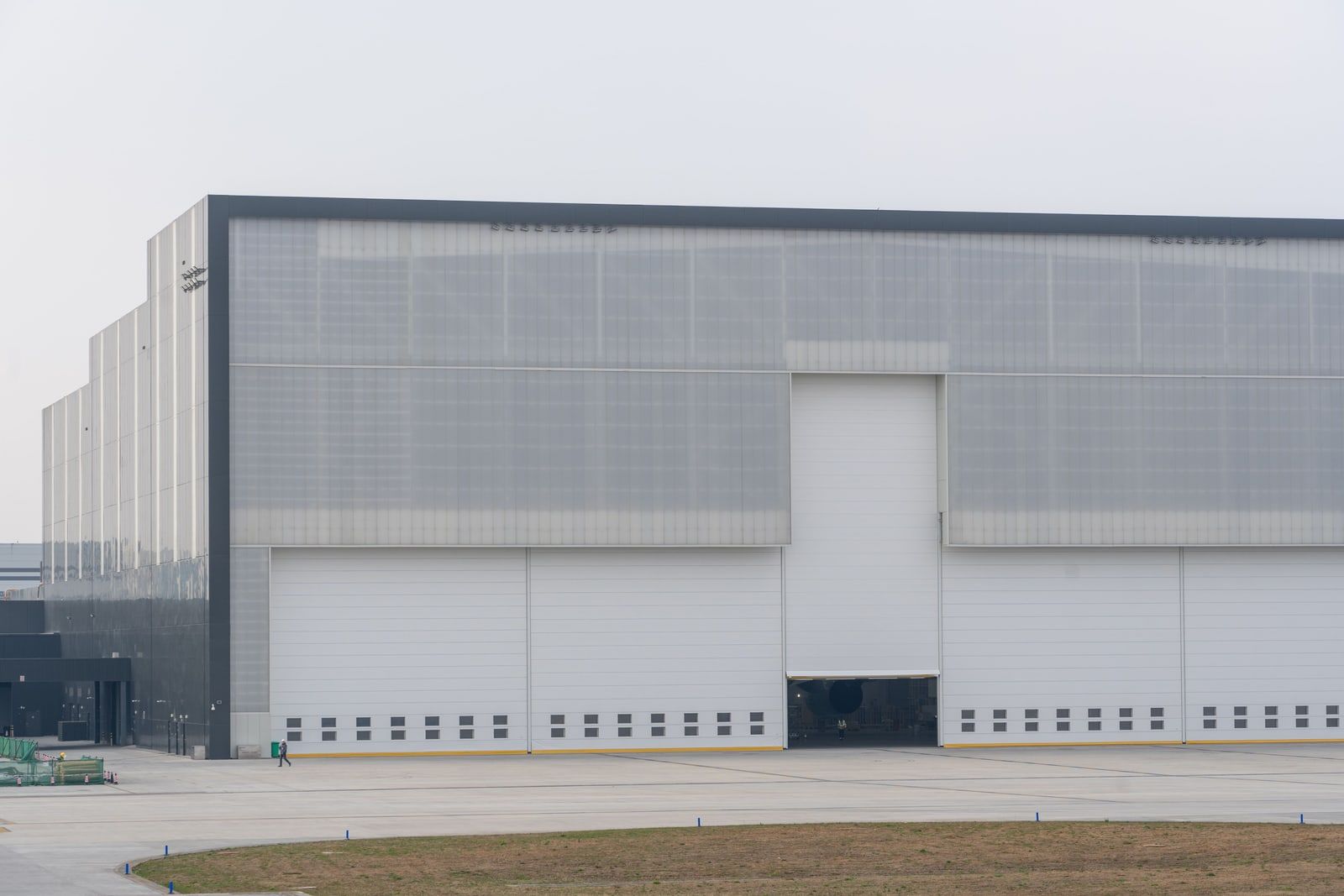
Microsoft plans to grow its global data centre network from about 12 gigawatts of capacity today to more than 38 gigawatts by 2032, Bloomberg reported this week. That would more than triple the footprint of one of the world’s largest cloud providers in about six years.
The figures cover both data centres Microsoft owns and facilities it leases, but not capacity it rents from smaller specialist cloud providers, according to a Yahoo Finance summary of Bloomberg’s reporting. Microsoft has not published the plan, and none of the reports we reviewed included a company statement confirming it.
AI goes from a sixth to a third
Artificial intelligence is the fastest-growing part of the plan. About 2 gigawatts of Microsoft’s current capacity is dedicated to AI, GuruFocus reported, citing Bloomberg. By 2032, AI is expected to account for roughly a third of the planned 38 gigawatts.
On those numbers, Microsoft’s AI capacity would rise from about 2 gigawatts to more than 12, a more than sixfold increase. The rest of its footprint would grow about two and a half times, from roughly 10 gigawatts to roughly 25.
The customers Microsoft could not serve
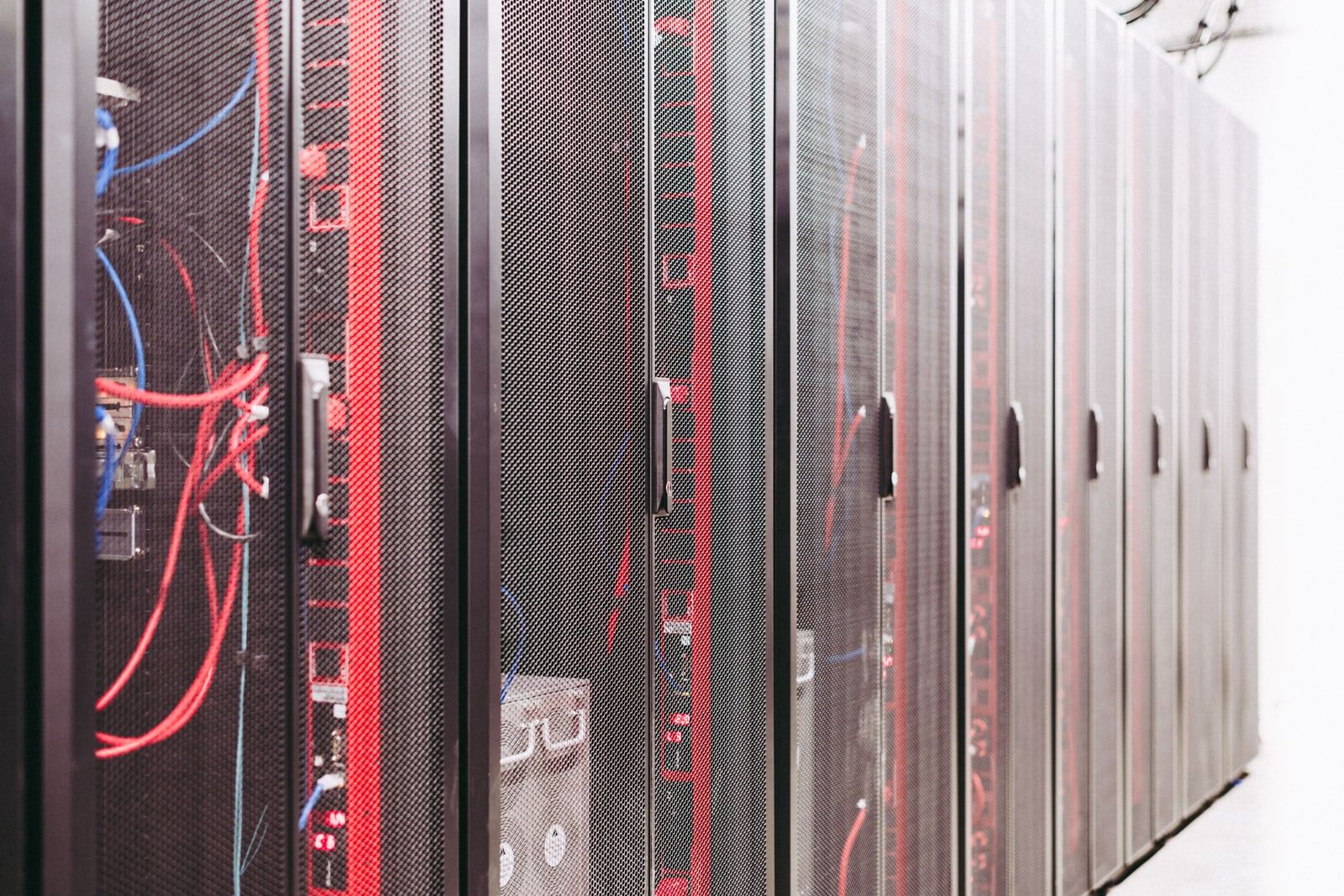
The expansion follows a period in which Microsoft did not have enough servers. Bloomberg reported that shortages forced the company to turn away some cloud and AI customers.
The clearest example is Temu. The e-commerce retailer signed a major cloud deal with Oracle last year after Microsoft could not supply the capacity it needed in the regions it preferred, according to the report.
The shortfall has also reached Microsoft’s own products. GitHub, which Microsoft owns, suffered an eight-hour outage in August that was tied to server constraints, and the Xbox division has told subscribers it will cap cloud game streaming time.
For a company that sells capacity, those are lost revenue and damaged reliability at the same time, which helps explain the size of the target.
The bill
Building at this scale is expensive even for Microsoft. The company spent $145 billion on capital expenditure in its most recent fiscal year, according to the Yahoo Finance report. The reporting describes the plan in gigawatts of power rather than dollars, and none of the coverage we reviewed gave a cost estimate for reaching 38 gigawatts.
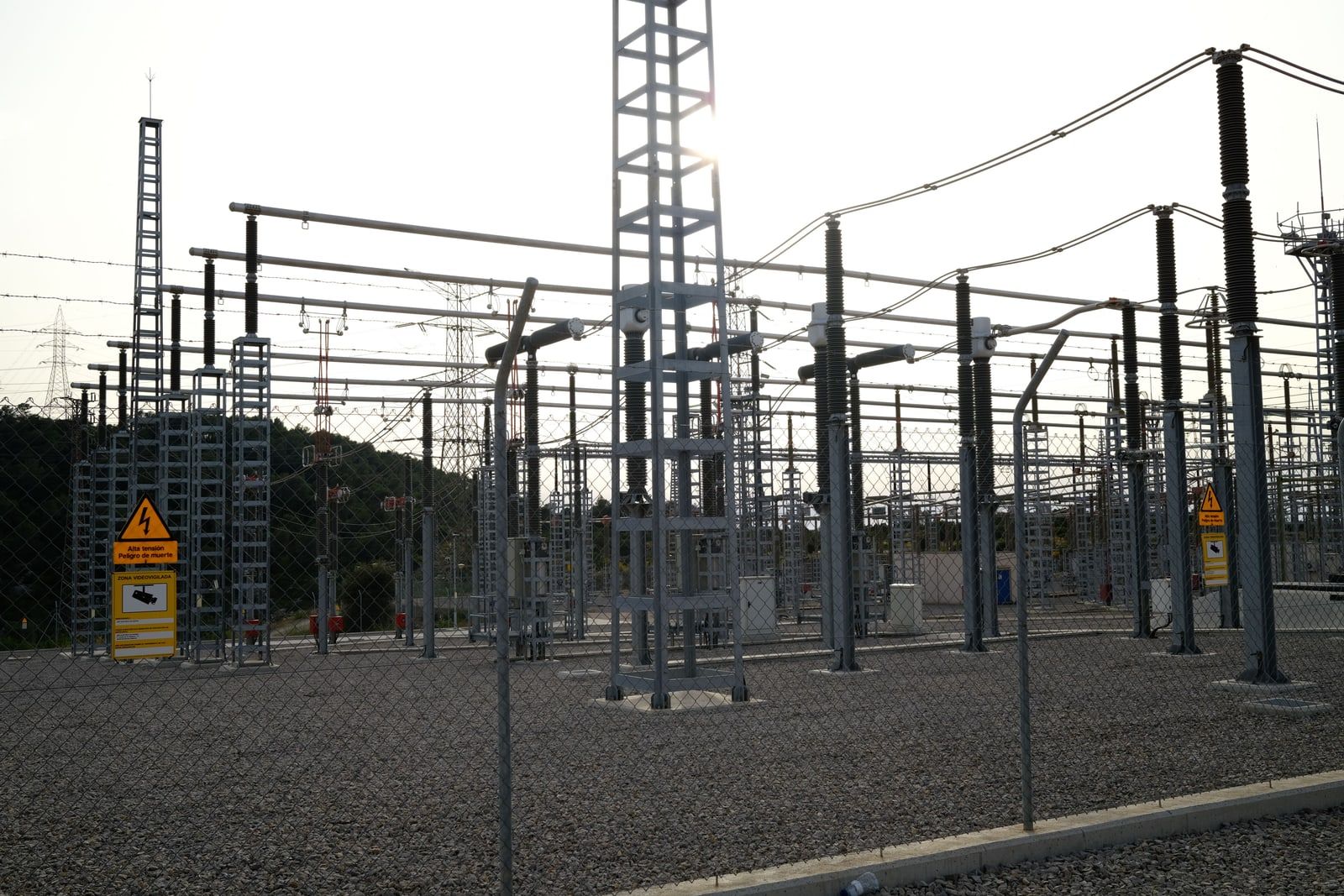
Gigawatts are the right unit for the problem. A data centre’s capacity is set by how much electricity it can draw, so the plan implies securing grid connections and generation for roughly 26 additional gigawatts, the figure in the headline of Bloomberg’s feature. That is power that has to be generated, transmitted and contracted for, and it is increasingly the slowest part of any large build.

What to watch
The first test is Microsoft’s next quarterly report, where its capital expenditure guidance will show whether spending is rising at a pace that fits a tripling of capacity. The second is whether customers that went elsewhere for lack of capacity, such as Temu, return once supply catches up.