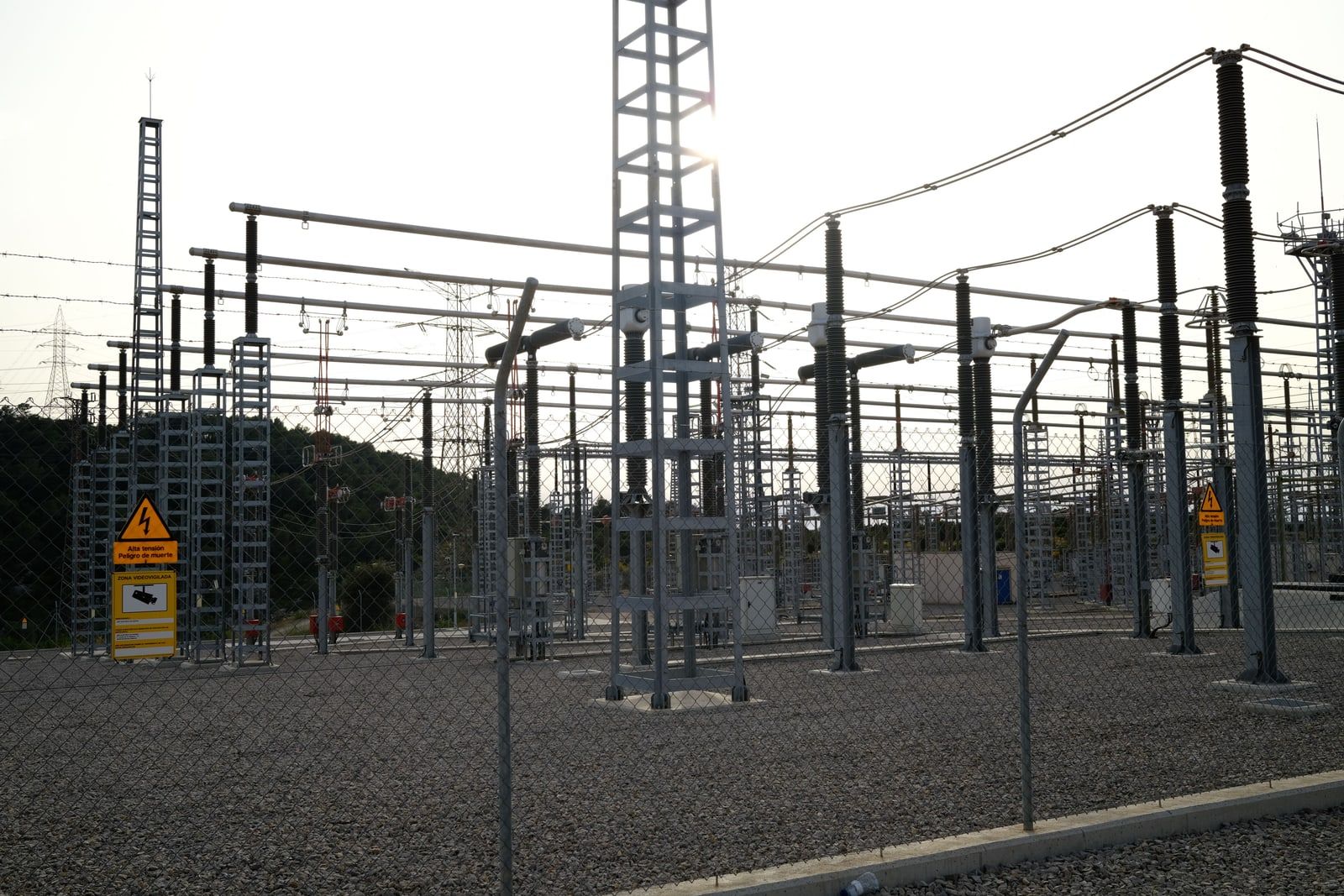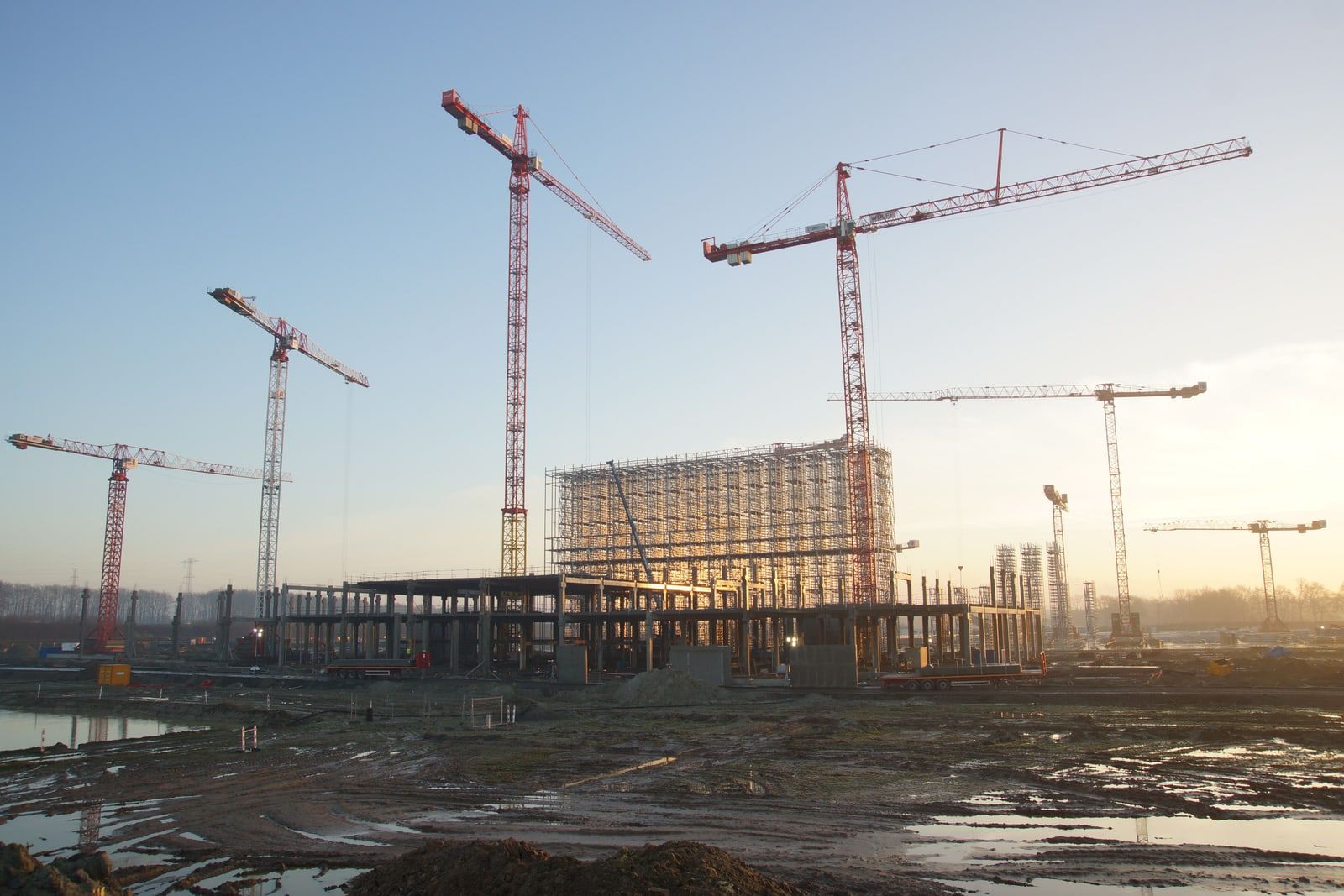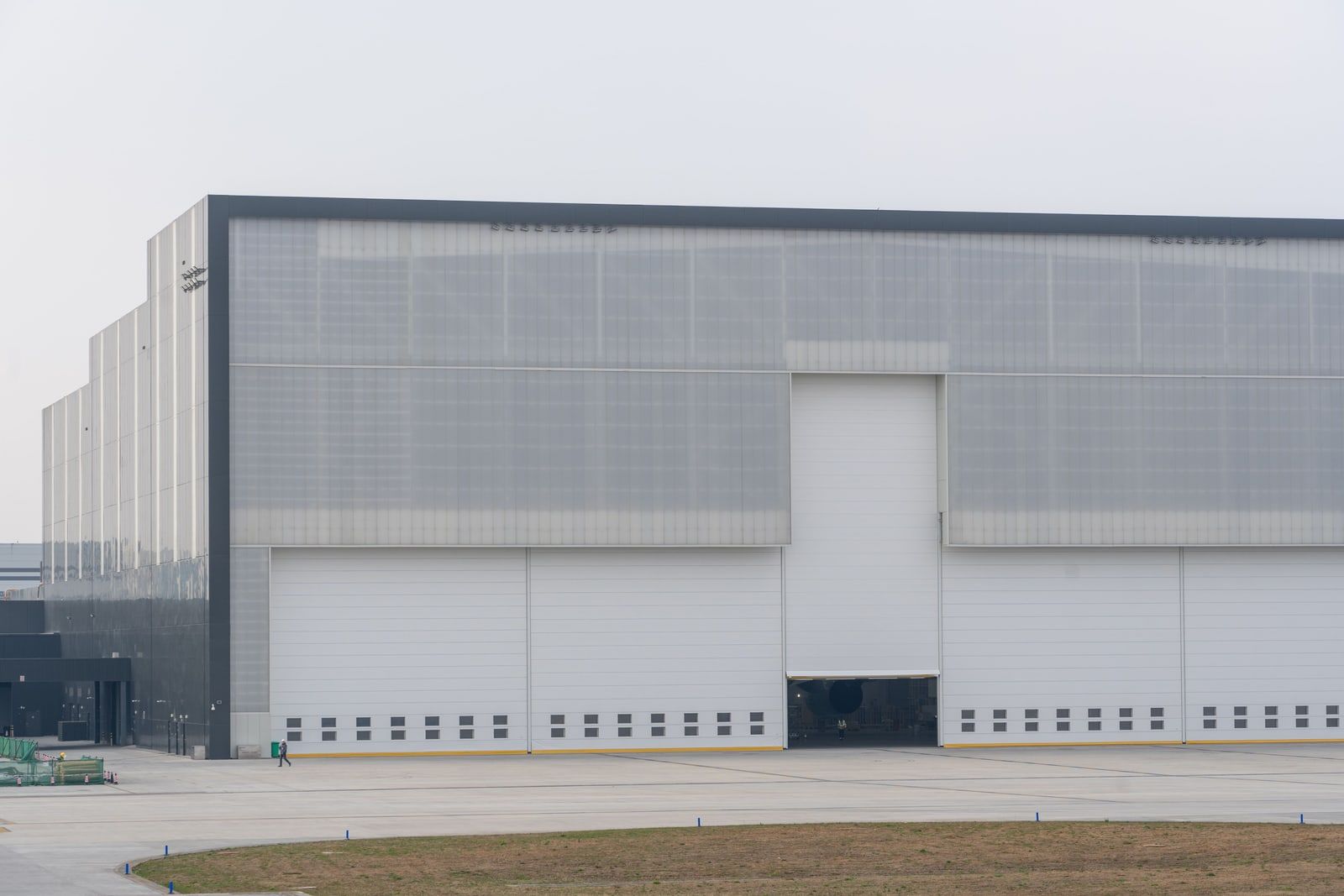
A data centre builder is now worth $30.9bn
Crusoe, the company that designed and built the Abilene, Texas campus that OpenAI’s compute runs on, said on 17 September that it had raised $3.9bn in a Series F round at a post-money valuation of $30.9bn.
That is roughly three times the $10bn valuation the company carried after a $1.38bn round in October 2025, a repricing that took less than a year.
The round was co-led by Atreides Management, Mubadala Capital and Valor Equity Partners. Crusoe said new and existing investors including Founders Fund, GIC, Nvidia, the Qatar Investment Authority, Radical Ventures and TPG also took part. The company described the raise as oversubscribed and as an initial closing, which means the final figure may rise.
The numbers are the company’s own
Crusoe said it has more than 6GW of gross contracted capacity across its data centres and cloud, of which more than 1GW has been delivered and is operational. It put total contracted value across the platform at more than $140bn.
It also reported 20-times year-on-year growth in bookings for Crusoe Cloud, more than $100m in annualised recurring revenue from its managed inference service, and a workforce above 1,800 people in five countries. None of those figures has been independently audited; they are disclosures a private company chose to make while raising money.
From flared gas to AI factories
Crusoe was founded in 2018 around a narrow idea: burn natural gas that oil wells were flaring off and use the electricity to mine cryptocurrency. It moved that same logic — put computers where the power already is — to AI infrastructure.
The Abilene campus is the clearest result. At about 1.2GW it is widely described as the first Stargate site, with Oracle hosting workloads there for OpenAI. TechCrunch reports Crusoe is also building a roughly 900MW site nearby for Microsoft, and that the company signed a five-year, $13bn agreement with Jane Street for GPU and infrastructure services.
The modular bet
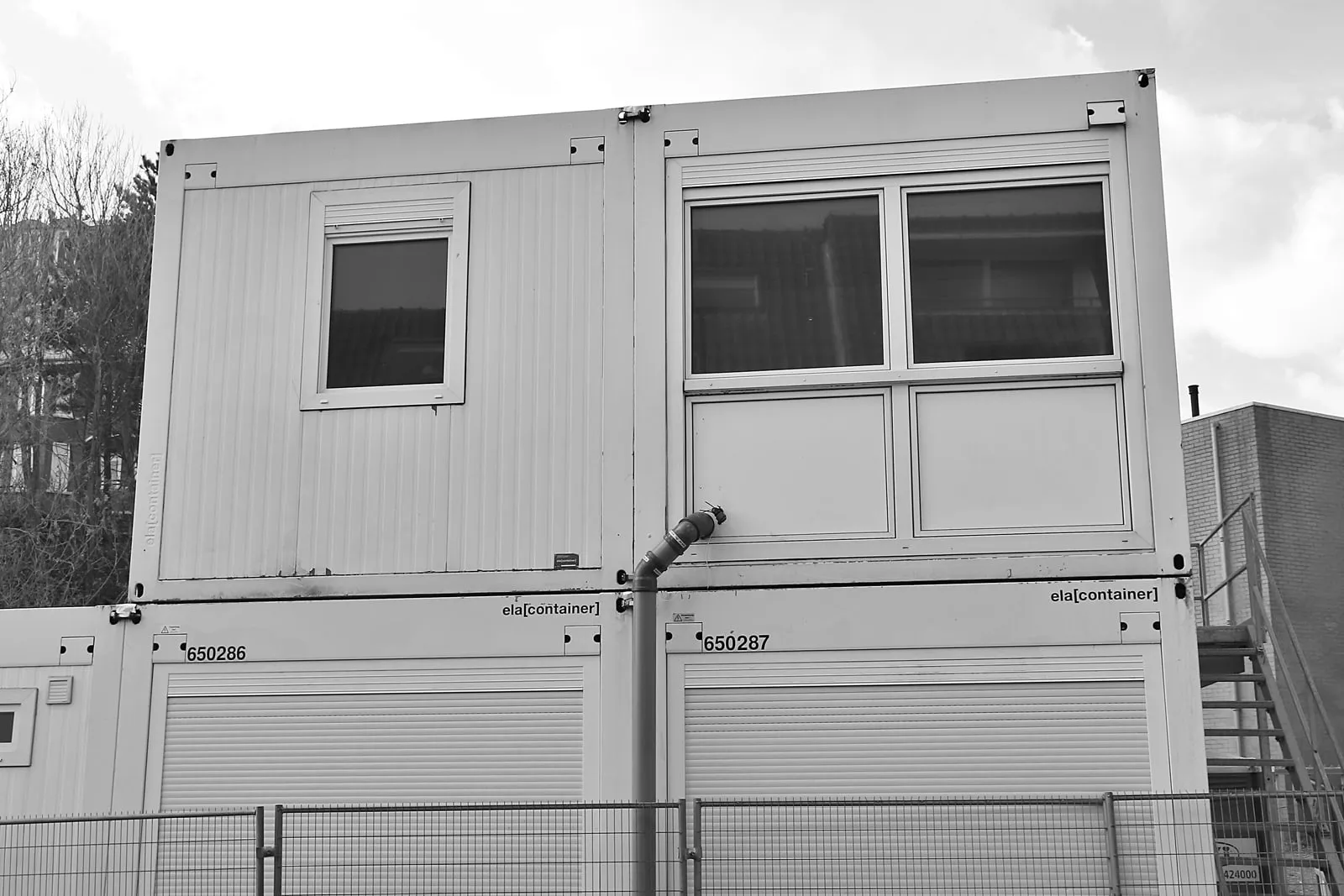
The part of the announcement that is genuinely new is Spark, a modular data centre Crusoe builds in a factory, moves by truck and connects to whatever power is available at the destination.
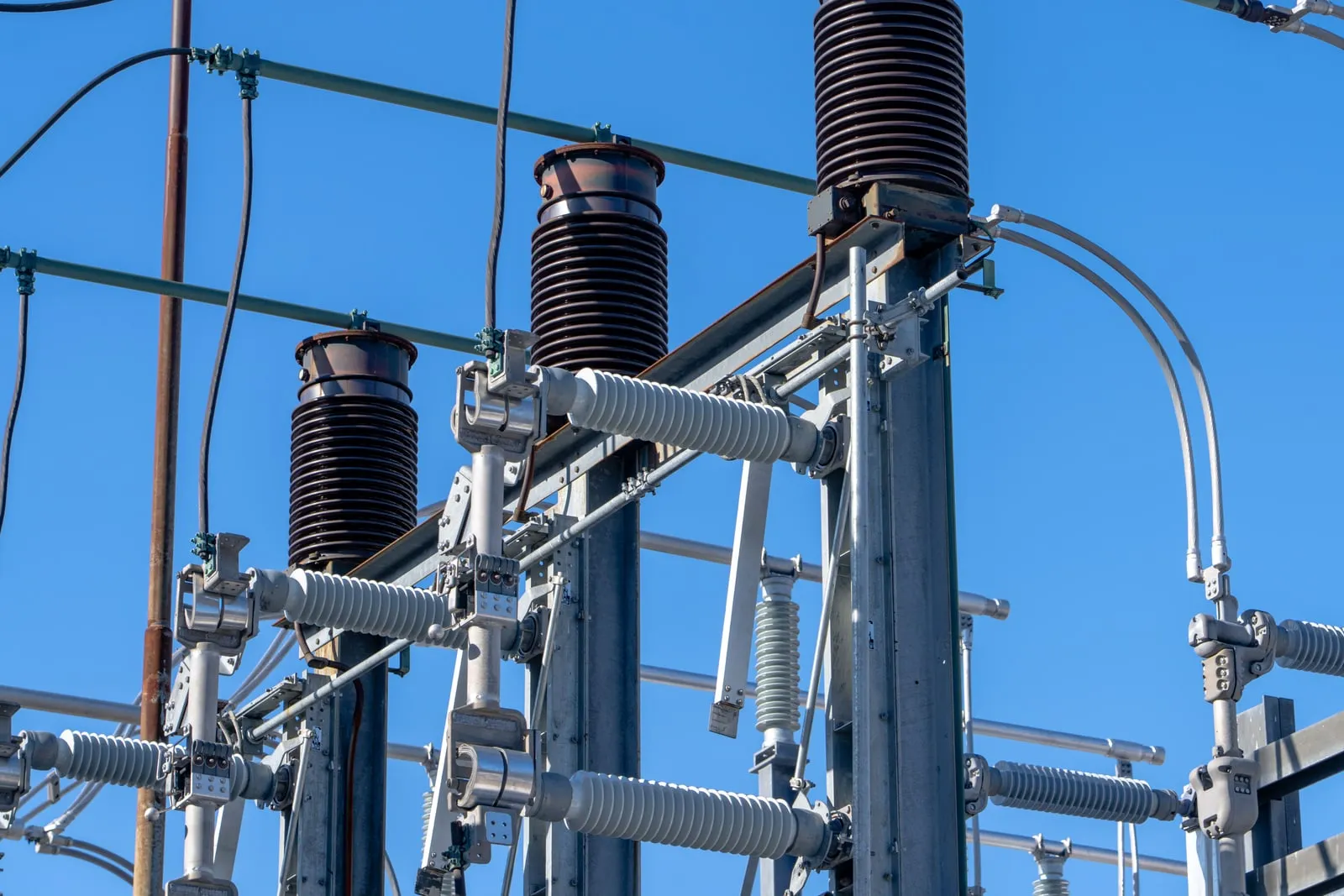
That matters for two reasons. It shortens the gap between signing a power contract and serving traffic, which is currently the binding constraint on AI capacity. And it breaks a gigawatt campus into units small enough to site in places that would refuse a single enormous building — a live problem now that data centre electricity costs are in front of the US Congress.
What to watch
The gap between 6GW contracted and 1GW operational is the whole story. Contracted capacity is a promise about power, land, transformers and turbines that have to arrive on schedule; the industry’s recent record on that is mixed.
TechCrunch also reports that Crusoe’s management has consulted Goldman Sachs and Morgan Stanley about a possible listing. A company valued at $30.9bn on largely self-reported operating figures would have to publish audited ones to go public.