Six Samsung companies, one cheque
Helix Digital Infrastructure and KKR announced on Monday that Samsung has committed $1 billion to Helix through the firm’s long-duration capital fund. Samsung Electronics is putting in $500 million; the rest comes from five affiliates — Samsung C&T, Samsung SDS, Samsung SDI, Samsung Life Insurance and Samsung Fire & Marine Insurance.
Helix has been in existence for about four months. It got off the ground in June and has already secured more than $10 billion from investors including KKR, the Kuwait Investment Authority, Nvidia and the US power company Vistra.
The pitch is power, not compute
What separates Helix from the several dozen other companies building AI data centres is that it is trying to own the electricity as well. Its remit spans hyperscale data centre development and operations, power generation, transmission and distribution, and fibre-optic networks.
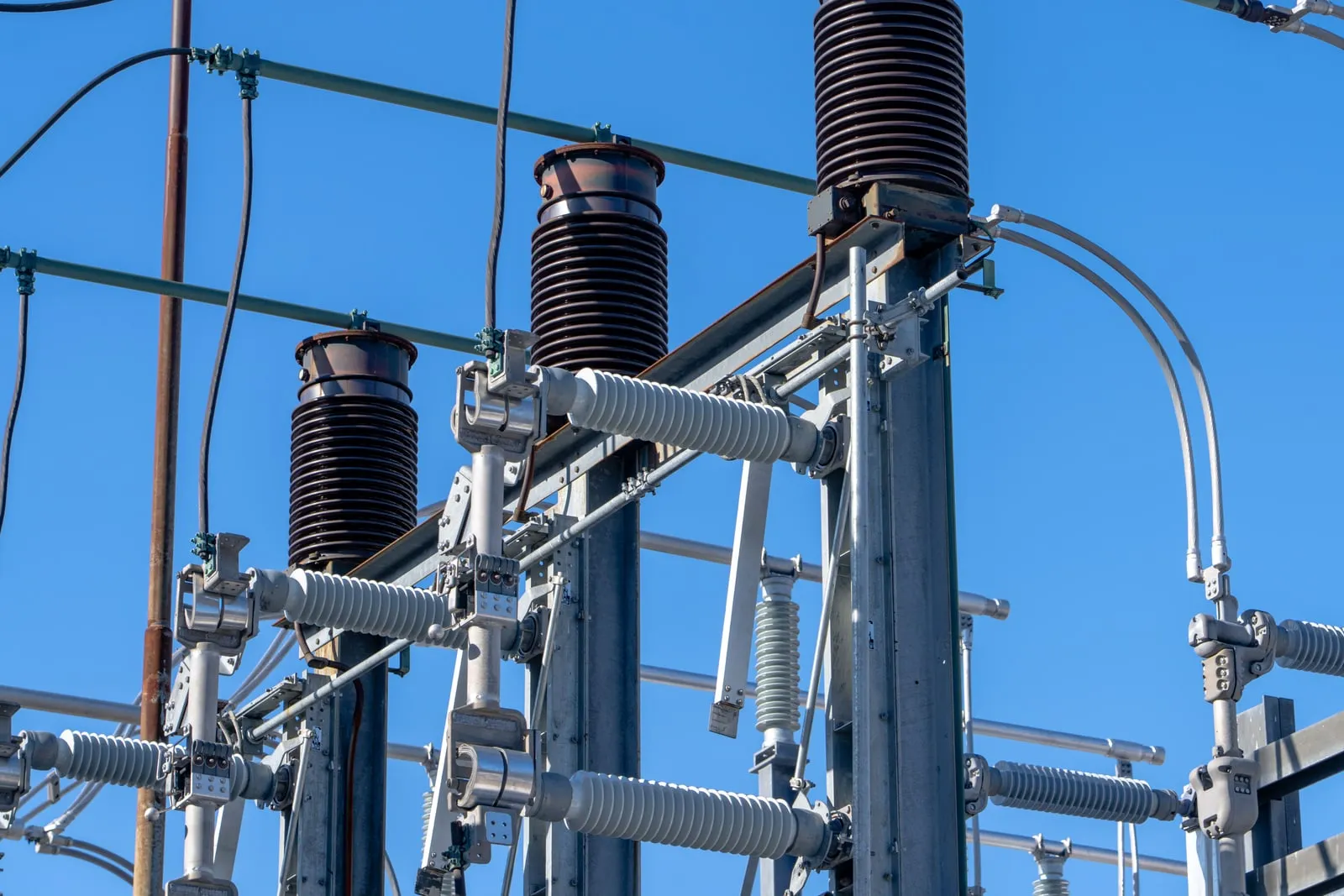
Samsung’s stated reasoning follows the same line. The company said power availability is currently the greatest bottleneck in AI infrastructure, and that securing compute and power at the same time has become a defining advantage in the industry.
That is the argument the whole sector has converged on this year. Oracle sent a force majeure notice on a 2.45-gigawatt Stargate site in New Mexico this month. Crusoe cancelled a $1.25 billion turbine order. Alibaba wants 20 gigawatts of data centres behind its accelerators by 2032. Every one of those stories is about electricity rather than silicon.
What Samsung brings that money does not
The investment is also a supplier relationship dressed as a financing. Helix says it expects to explore using Samsung’s capabilities in advanced technology, construction, energy storage and data centre cooling — four things Samsung’s affiliates already sell.
Samsung C&T builds; Samsung SDI makes batteries; Samsung SDS runs IT services. Helix’s existing backers cover the other halves: Nvidia supplies the computing hardware, Vistra the generation. What Helix is assembling is less a data centre company than a vertically integrated consortium with one customer type.
For Samsung, it is a step from selling components into owning part of the thing the components go into — the same move Nvidia has been making through financing platforms rather than equity.
What to watch
Helix has raised more than $11 billion and has not yet said where its first sites will be, how much capacity they will carry, or which power it has contracted. Those are the numbers that will show whether the integrated model works or whether it is a slower way of doing what the hyperscalers already do in-house.