A chip and a power budget, announced together
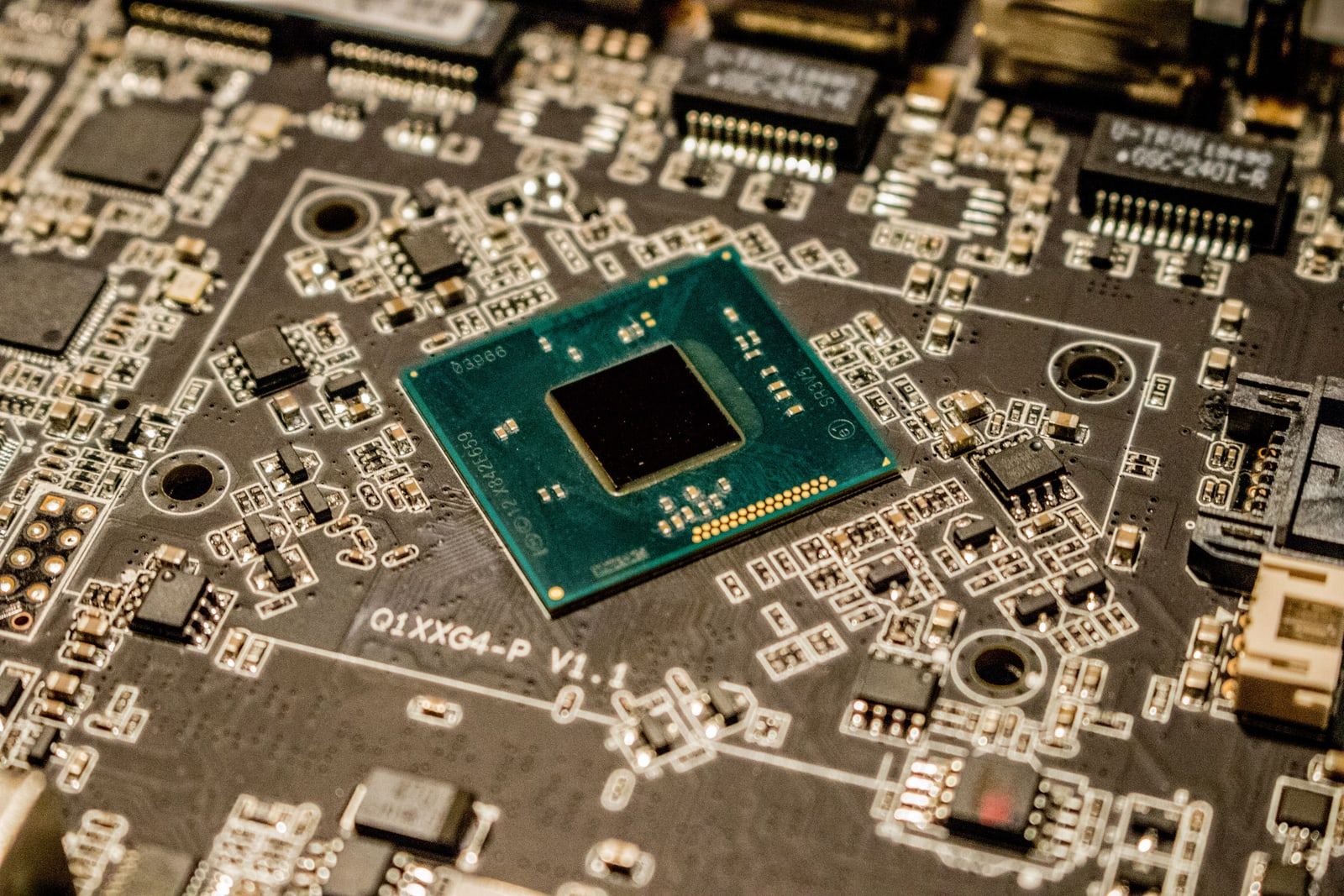
Alibaba used the annual Apsara Conference in Hangzhou on Tuesday to introduce the Zhenwu V900, the next accelerator from its T-Head chip division, and to put a number on the infrastructure behind it: more than 20 gigawatts of global data centre capacity for Alibaba Cloud by 2032. Shares rose about 3 per cent in Hong Kong.
The company says the V900 delivers three times the performance of its predecessor, the Zhenwu M890, which was released in May. Bloomberg reports the parts can be combined in clusters of up to 500,000 units for frontier-model training. Both figures are Alibaba’s own and have not been independently verified.
When it actually ships
Mass production and commercial release are scheduled for the first quarter of 2027, which places the announcement roughly two quarters ahead of the product. Alibaba says the existing Zhenwu line is already in use by more than 650 customers across automotive, finance, energy and manufacturing — a deployed base rather than a launch from nothing.
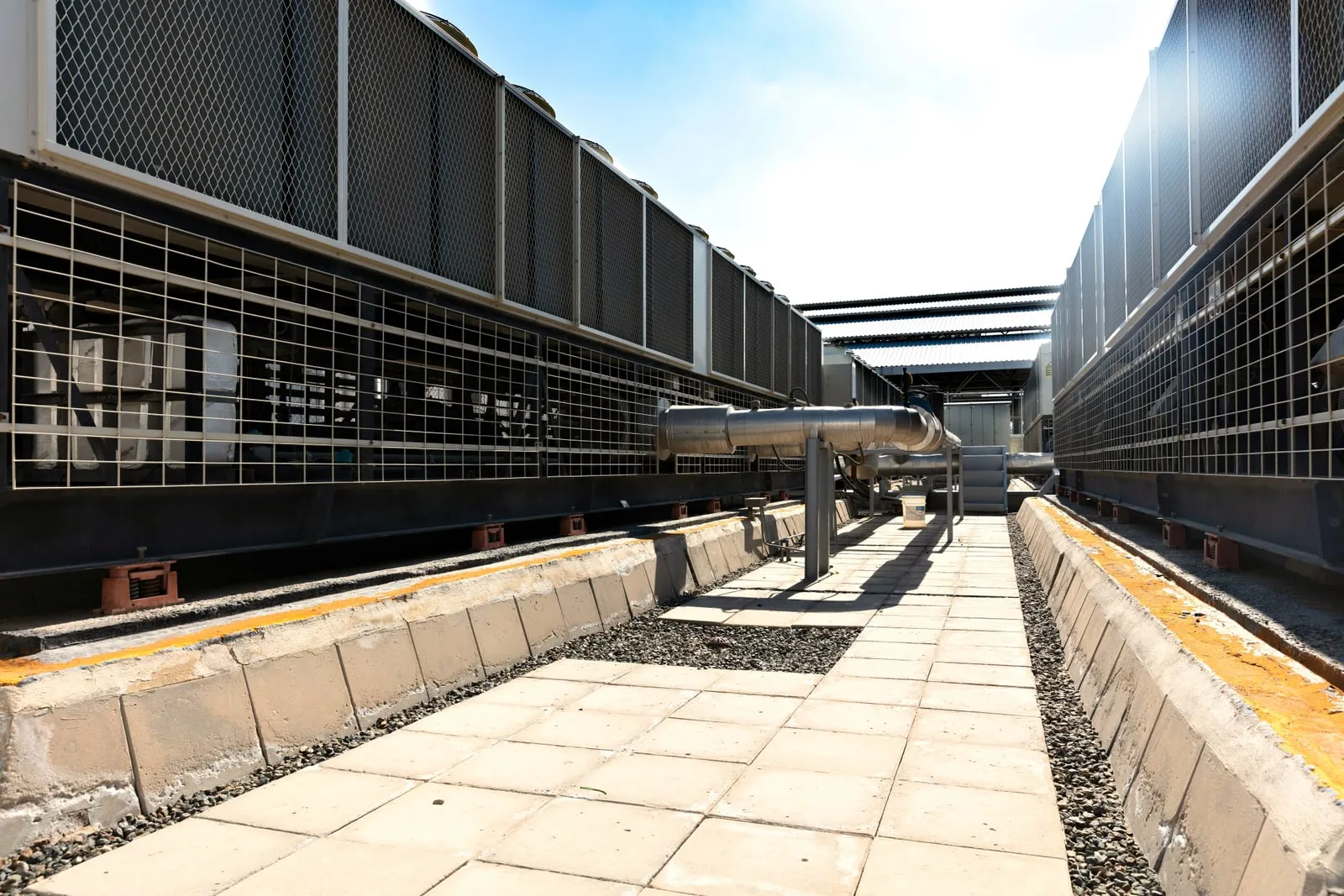
The wider plan runs through the stack. Bloomberg reports Alibaba has pledged more than $53bn over three years for AI expansion and raised about $10.2bn in a Hong Kong follow-on share offering in August, and that it intends to list the T-Head design unit. On the model side, the company said Qwen 4 is in training, with Qwen 4.5 and Qwen 5 series planned behind it.
The gigawatt figure is the real claim
Twenty gigawatts by 2032 is the number that separates this from a product launch. For comparison, Nvidia said earlier this month it would work with Australian partners on up to 2 gigawatts of AI infrastructure by 2027, and Meta’s first Canadian data centre, announced in July, is a single gigawatt in Alberta at a cost of about $9bn and up to three years to build.
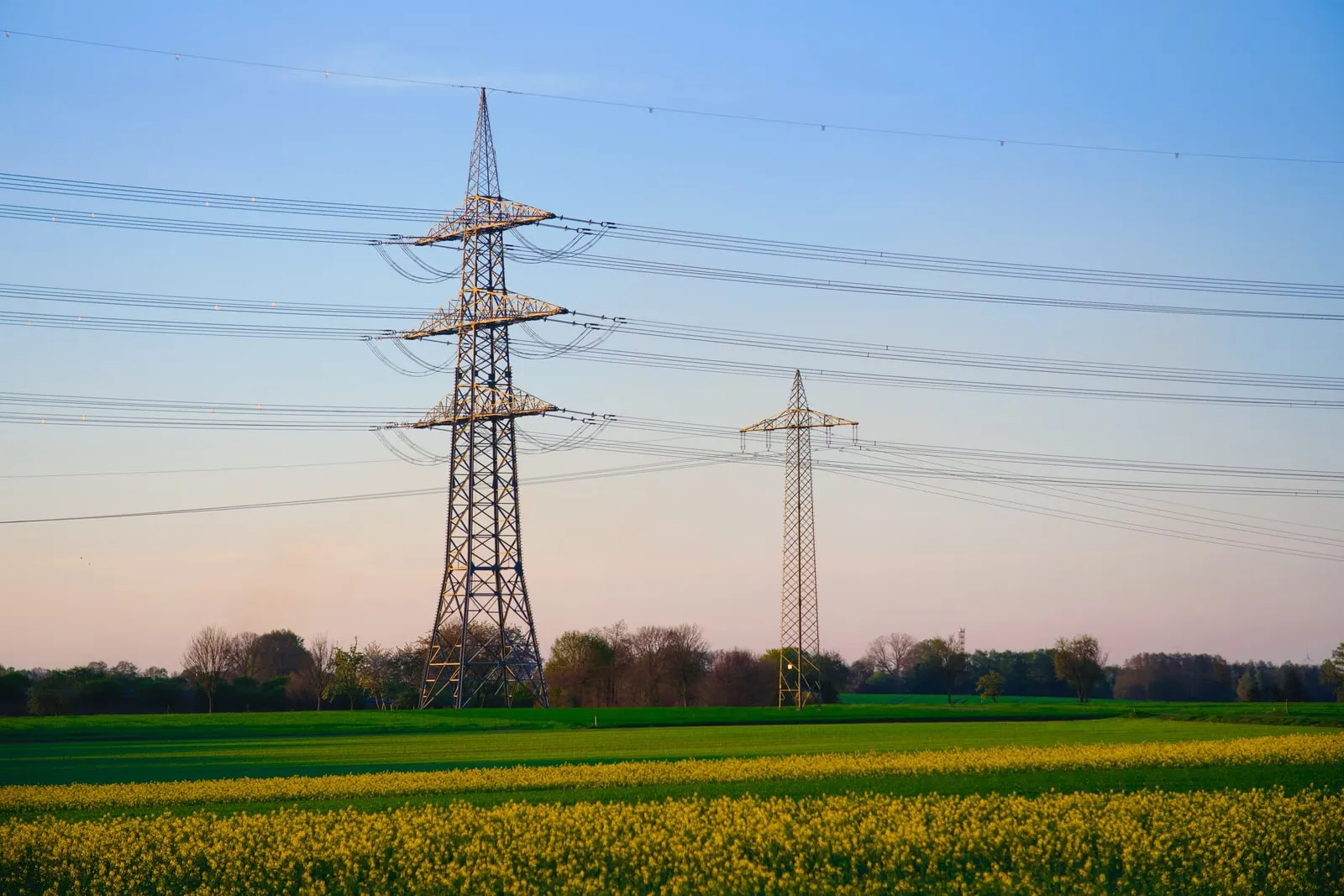
A target that size is a statement about grid access and capital as much as about silicon. It is also the part of the plan furthest from being testable: 2032 is two chip generations and at least one capital cycle away.
The domestic context
Alibaba is not the only Chinese company sizing its AI hardware in public. Huawei unveiled infrastructure last week that it said can scale to as many as one million processors. Both announcements point the same way — Chinese platforms building accelerators they control, at cluster sizes intended for frontier training, on domestic supply.
Alibaba’s chief executive Eddie Wu framed it in terms of headroom rather than catch-up, saying machine thinking still has an “enormous growth runway” and comparing the present moment to the early stages of electrification. “AI coding is simply the light bulb of the machine intelligence era,” he said.
What to watch
Three things. Whether the V900 reaches mass production on schedule in the first quarter of 2027. Whether any independent measurement confirms the three-times claim or the 500,000-unit cluster figure. And whether the T-Head listing happens — a separately traded chip unit would put a market price on the part of Alibaba that this announcement is really about.