A gigawatt in Inner Mongolia
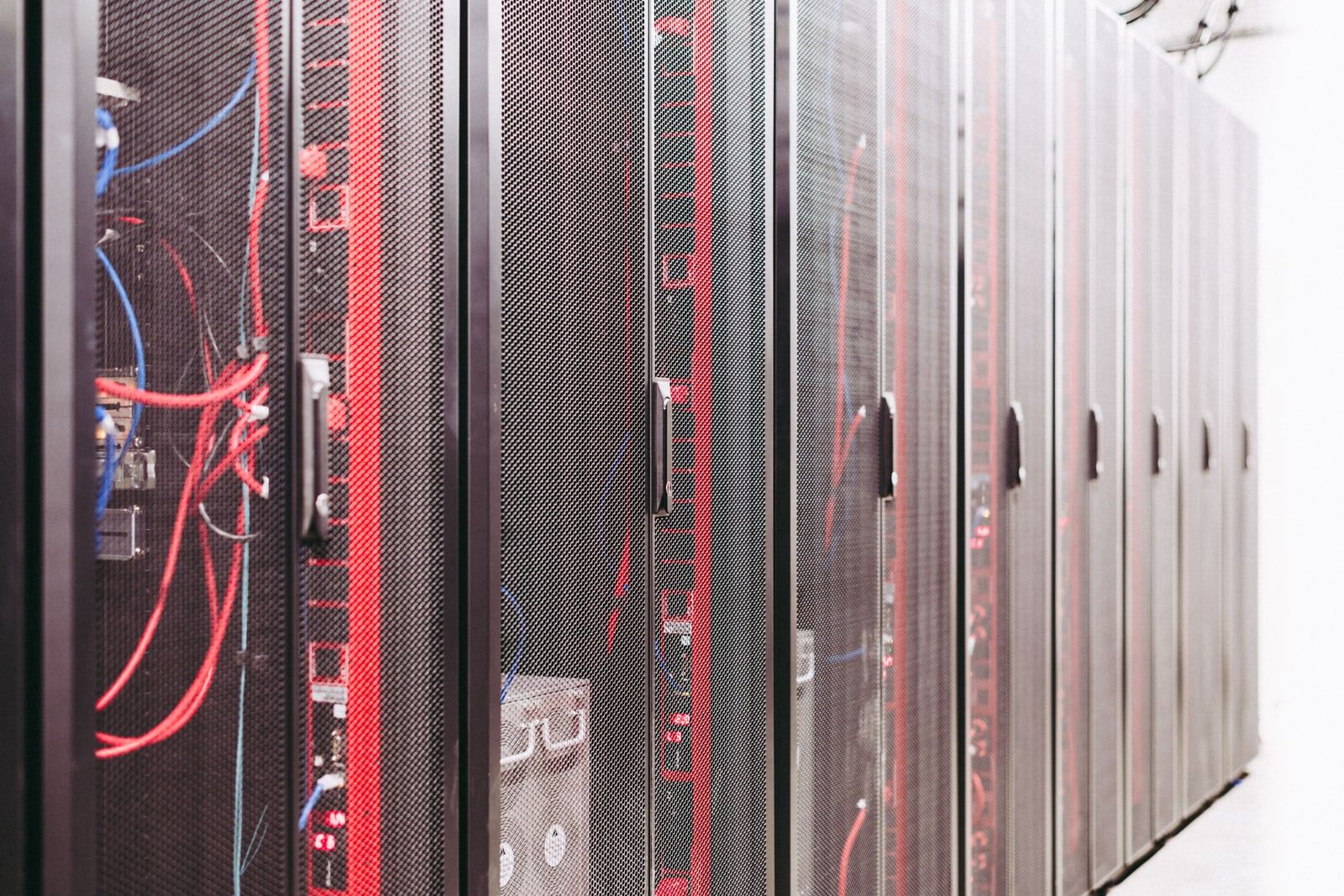
DeepSeek plans to install at least 160,000 Huawei Ascend 950DT accelerators at a data centre under construction in Ulanqab, Inner Mongolia, targeting roughly one gigawatt of capacity at full build-out. Bloomberg reported the order on 4 September, citing people familiar with the plan; the figure has since been relayed in detail by trade outlets covering the Chinese accelerator market.
If it is completed at that scale, it would rank among the largest publicly described clusters built around Huawei AI silicon. Neither DeepSeek nor Huawei has published the deal.
Inference only
The important detail is what the chips will not do. The 950DT deployment is for inference — serving models to users — and DeepSeek intends to keep training on Nvidia hardware, according to reporting on the plan.
That split is a statement about software, not about transistors. Training a frontier model at scale depends on a mature distributed-training stack: collective communication libraries, checkpointing, fault tolerance across tens of thousands of devices, and kernels that have been beaten into shape over years of production use. Inference is a far smaller ask. A lab can put a Chinese accelerator behind its API long before it will risk a multi-month training run on it.
What the 950DT is
The Ascend 950DT carries 144GB of high-bandwidth memory with about 4 terabytes per second of bandwidth, per the specifications circulating with the report. Per chip, that trails Nvidia’s current generation. At 160,000 units it stops mattering very much: for serving models, aggregate memory and aggregate bandwidth across the fleet are what determine how many concurrent requests a site can hold, and a large enough fleet compensates for a weaker part.
The constraint is memory, not fabs
Huawei’s output of the 950DT is expected to run in the low hundreds of thousands of units a year, and the limiting factor named in the reporting is high-bandwidth memory rather than logic manufacturing capacity. On that arithmetic, filling DeepSeek’s order alone would absorb a large share of a year’s production, and delivery could stretch beyond twelve months. The site is expected to be partly operational between late 2027 and early 2028.
Why this is a chip-policy story
US export controls were written to keep advanced accelerators out of Chinese data centres. What they have produced, in this case, is a Chinese lab committing a gigawatt of inference capacity to a domestic part it considers good enough for serving and not yet good enough for training — and doing it on a schedule long enough that the software gap has time to close.
What to watch
Three things. Whether Huawei’s memory supply improves enough to hold the 2027-2028 schedule. Whether DeepSeek’s next flagship is trained on Nvidia hardware, as this plan implies. And whether any Chinese lab announces a full training run on Ascend — that, not an inference order, would be the point at which the export-control calculus actually changes.