The deal buys a reactor’s worth of power without building one
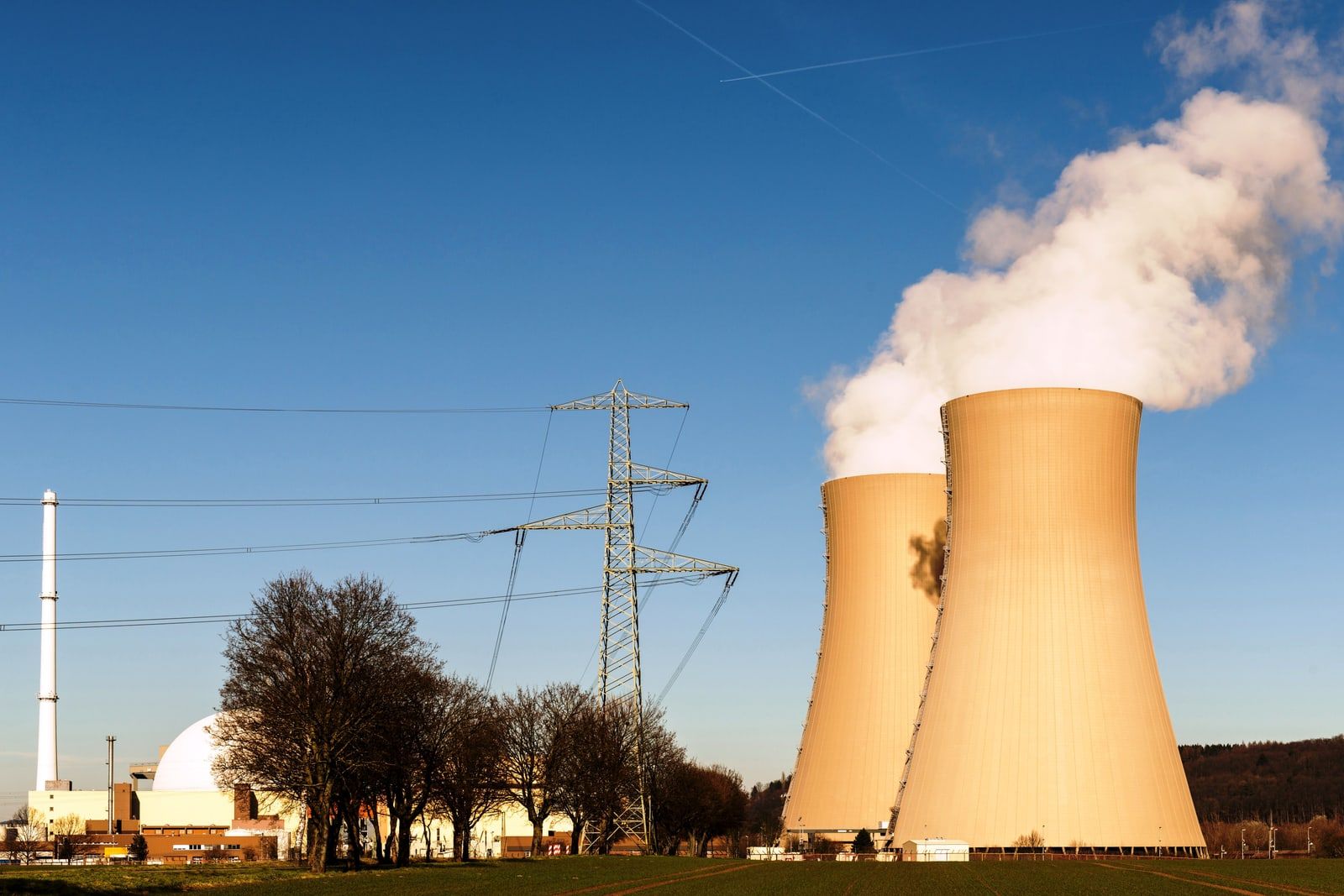
Google and Constellation Energy announced a long-term clean energy collaboration on 6 October that will add 890 megawatts of new nuclear capacity to the PJM Interconnection grid. None of it comes from a new plant. The capacity is unlocked by upgrading turbines, steam generators and digital control systems at 11 reactors Constellation already operates across six sites in Illinois, Pennsylvania and New Jersey — a practice the industry calls an uprate.
The structure is two contracts. A 20-year power purchase agreement funds the upgrades themselves. A separate 15-year energy supply agreement covers a further 2,700 MW from Constellation’s existing PJM fleet, which keeps those plants economically viable without removing anything from the market. Together the two come to roughly 3,590 MW.
Constellation put the price of the uprate programme at more than $4.3 billion of its own new investment, said it sustains about 4,400 existing jobs and creates roughly 7,200 construction jobs during the build, and said the first uprate is expected to deliver by 2028.
Why uprates, and why now
Constellation’s argument for the approach is timing. Upgrading an operating plant delivers firm megawatts “without the multi-year timelines or interconnection bottlenecks associated with greenfield construction”, the company said, and the 890 MW it is adding equals the output of several small modular reactors or one large conventional one. The companies tied the work to the federal UPRISE programme, which encourages public-private efforts to raise output from existing American nuclear plants.
The deal is also a direct answer to a grid-policy fight. PJM — which serves 67 million people — has floated a “Bring Your Own Power” proposal that would require large data-centre customers to secure their own supply rather than lean on the existing pool. Both companies framed this agreement as a voluntary model for exactly that, with Google saying it brings new capacity to PJM “without passing on costs to residential customers”.
“Our agreement with Constellation to fund nuclear reactor uprates will strengthen the PJM grid, which serves 67 million people, all while protecting energy affordability and supporting local union jobs,” said Amanda Peterson Corio, Google’s global head of energy and power.
Joe Dominguez, Constellation’s chairman, president and chief executive, said the collaboration “can serve as a model for how technology companies and the energy industry can work together to responsibly develop the digital economy”, and stressed that it is “funded by private entities”.
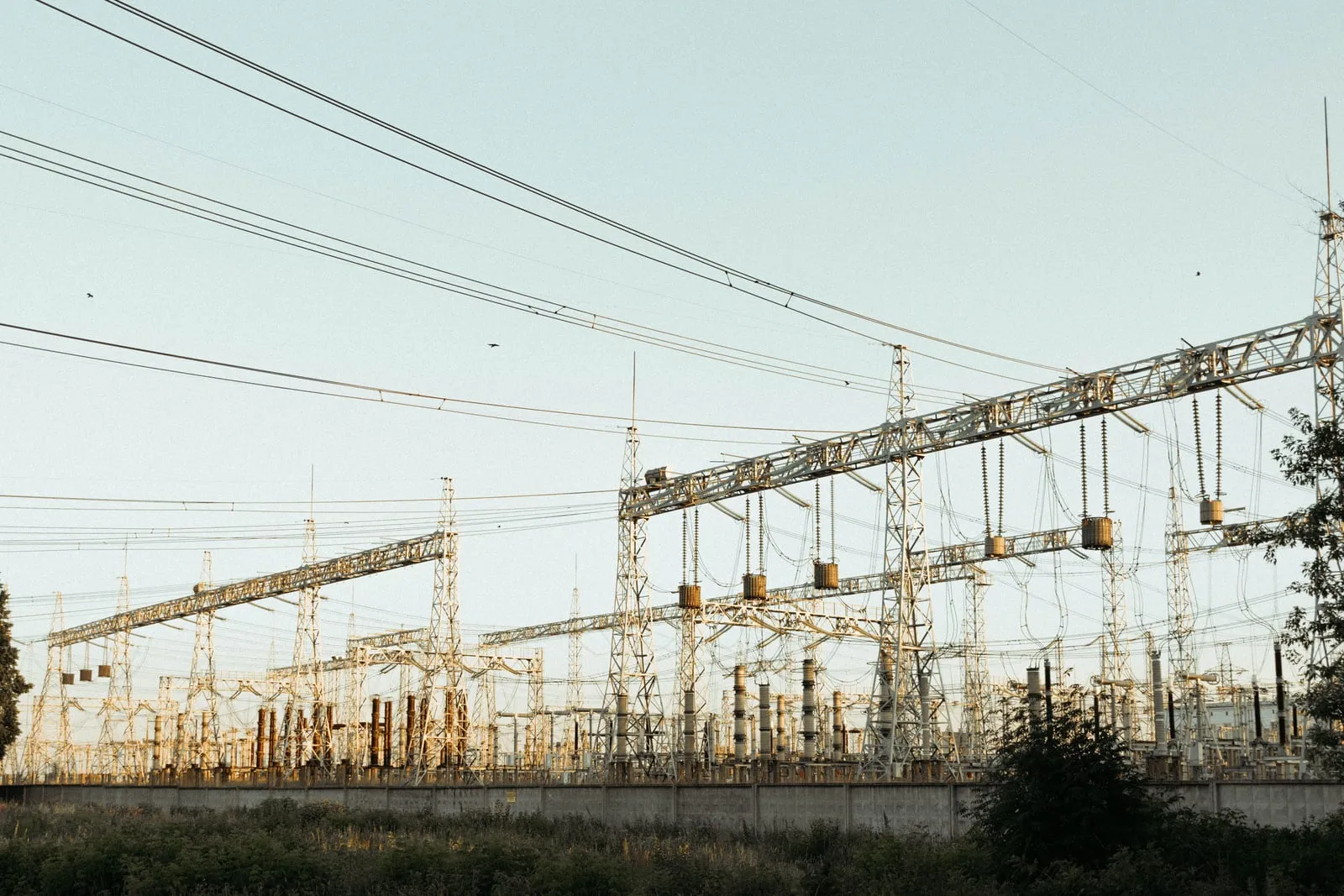
Constellation is buying AI back
The agreement runs in both directions. Under an expanded five-year technology alliance, Constellation will deploy Google Cloud and Gemini Enterprise and build agentic workflows into its core operations, in three named areas: site selection, power-flow modelling, permitting and interconnection planning; asset health monitoring and outage management; and protection of critical infrastructure.
The two companies also agreed a framework to evaluate new clean generation, storage and demand-response projects across the United States, with near-term work prioritised in PJM. The commercial terms include load-shaping and demand-response provisions that let Google curtail non-critical consumption when the grid is under stress.
What the agreement does not do is settle the harder question underneath it. Uprates are fast because the reactors are already there; the supply of reactors that can be uprated is finite. The figure to watch is the 2028 delivery date on the first unit, which is the first real test of whether the fast path is as fast as advertised.