A refrigerator-sized test of a very large idea
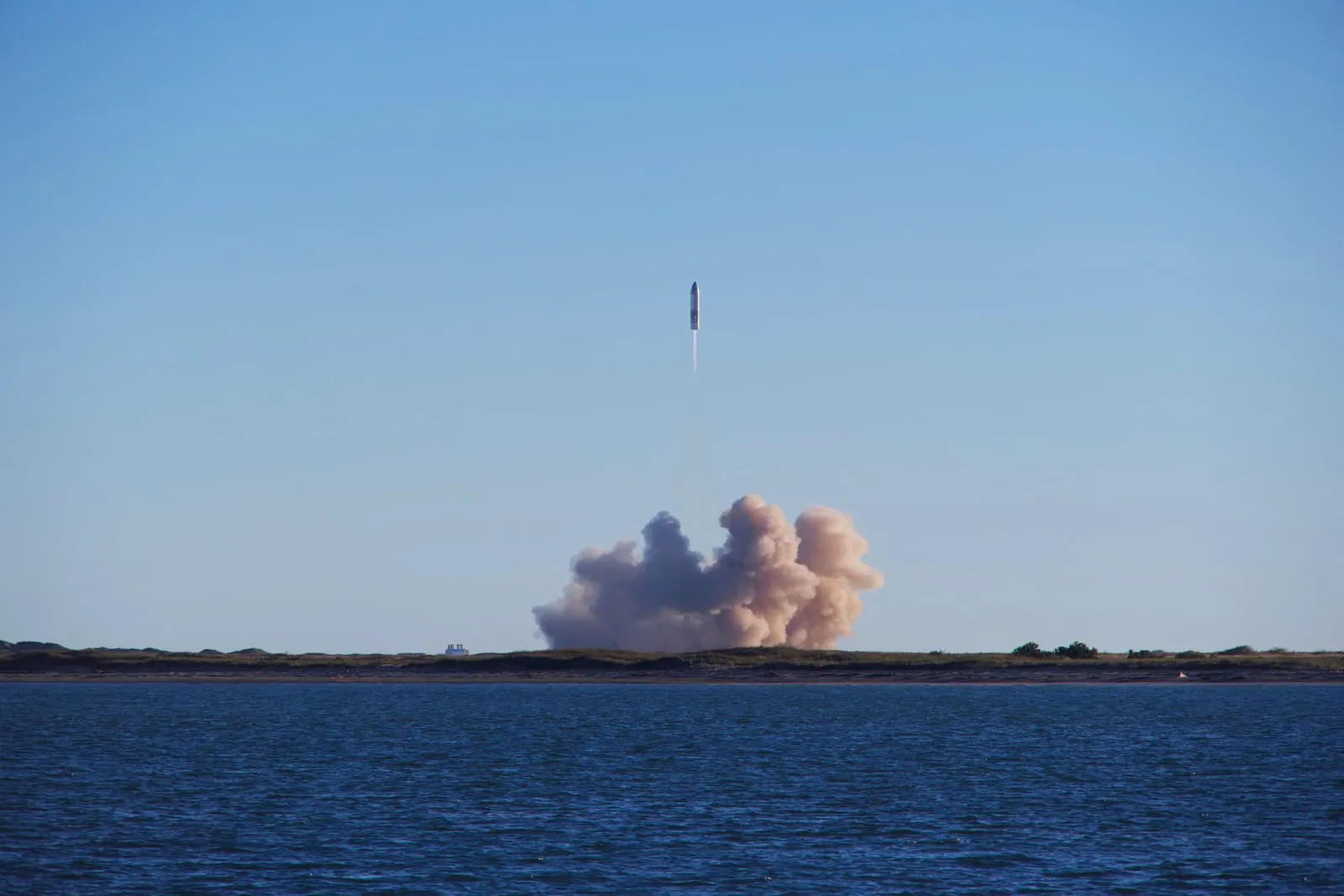
Google will launch the first hardware from Project Suncatcher on 1 October, the company said on Thursday. The satellite, called MVP, flies on SpaceX’s Transporter-18 rideshare mission aboard a Falcon 9 from Vandenberg Space Force Base in California, and it was built with the Earth-imaging company Planet.
What it carries is deliberately modest: four of Google’s tensor processing units, roughly the computing power of one data-centre server, drawing about a kilowatt from its solar panels. The point is not the throughput. It is to find out whether accelerators designed for an air-conditioned building survive launch loads, orbital radiation and the thermal swing of low Earth orbit.
The timing is the news. When Google described Suncatcher as a research moonshot, the prototypes it planned with Planet were set for early 2027. Flying in October brings that forward by months.
Why anyone would put a TPU in space
Google’s argument is about power rather than compute. In the right orbit a satellite sees near-constant sunlight and its panels can deliver up to eight times what the same array would produce on the ground, by the company’s own estimate. That is the resource an AI data centre consumes most, and it is the one that is hardest to add quickly on Earth.
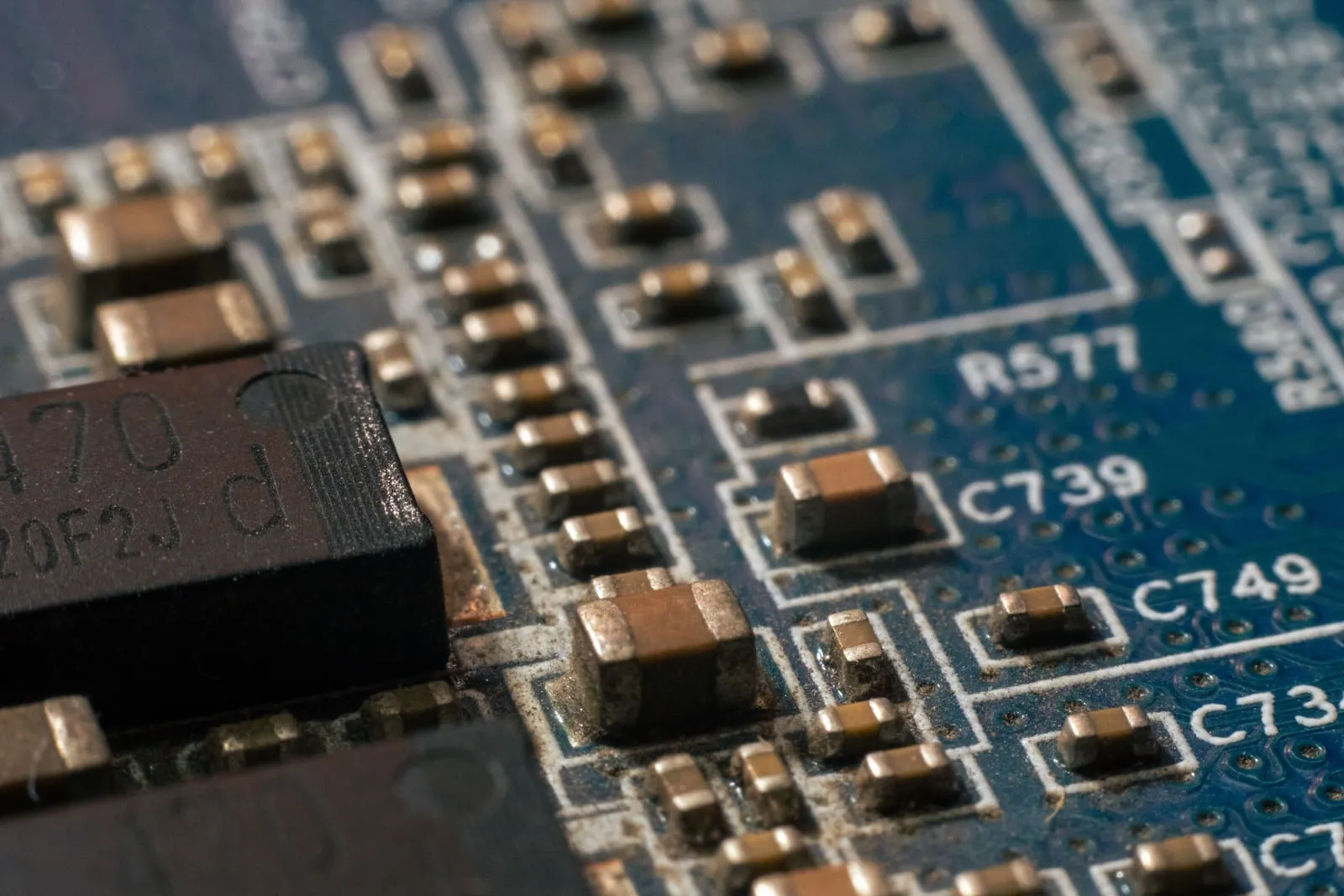
The obstacles are just as physical. Chips that run hot have no air to lose heat into, so Google says it has been testing heat pipes and radiators rather than fans. Radiation is the other question, and the company says its Trillium TPUs held up in testing to doses beyond what a five-year mission would deliver — a laboratory result, reported by Google, not an orbital one.
What the mission is actually measuring
MVP is expected to work for about a year and to answer a short list of questions: how the hardware degrades, how the heat moves, and how much of the design has to change. A two-satellite mission planned for 2027 will test the high-bandwidth laser links that any real cluster would need, since a constellation of accelerators is useless if they cannot talk to each other at speed.
Google has sketched the end state — clusters of dozens of TPU-carrying satellites flying in tight formation — but nothing about it is settled by a single spacecraft with four chips on board.
What to watch
The first signal is whether the 1 October launch holds; rideshare slots move. After that, the useful numbers are the ones Google publishes rather than the ones it projects: how much power the panels actually deliver, how hot the chips run, and whether the 2027 laser test stays on its date. Until then this is an experiment that has been brought forward, not a data centre.