A billion dollars, and the end of the NDAs
Amazon Web Services will spend more than $1bn over the next five years in the United States communities that host its data centres, and will no longer ask the local governments it negotiates with to sign non-disclosure agreements. The commitments were published on Friday by AWS chief executive Matt Garman, who wrote that “we no longer use nondisclosure agreements with the government agencies we work with on our projects.”
Those agreements have been the most contested part of the industry’s dealings with county boards and city councils. They let a company negotiate power, water and tax terms with officials who are then barred from telling residents what was agreed. Dropping them is the single concession in the announcement that changes how the next siting fight is conducted, rather than how it is paid for.
What the money buys
The programme is called Built Together, and Amazon says it is organised around three things host communities told it mattered most. The first is training: residents of data centre communities will be able to take a certificate or an associate’s degree at no out-of-pocket cost, in electrical trades, HVAC, fibre optics, IT, healthcare, education, public safety and advanced manufacturing. Amazon estimates the effort will reach more than 300,000 students over five years.
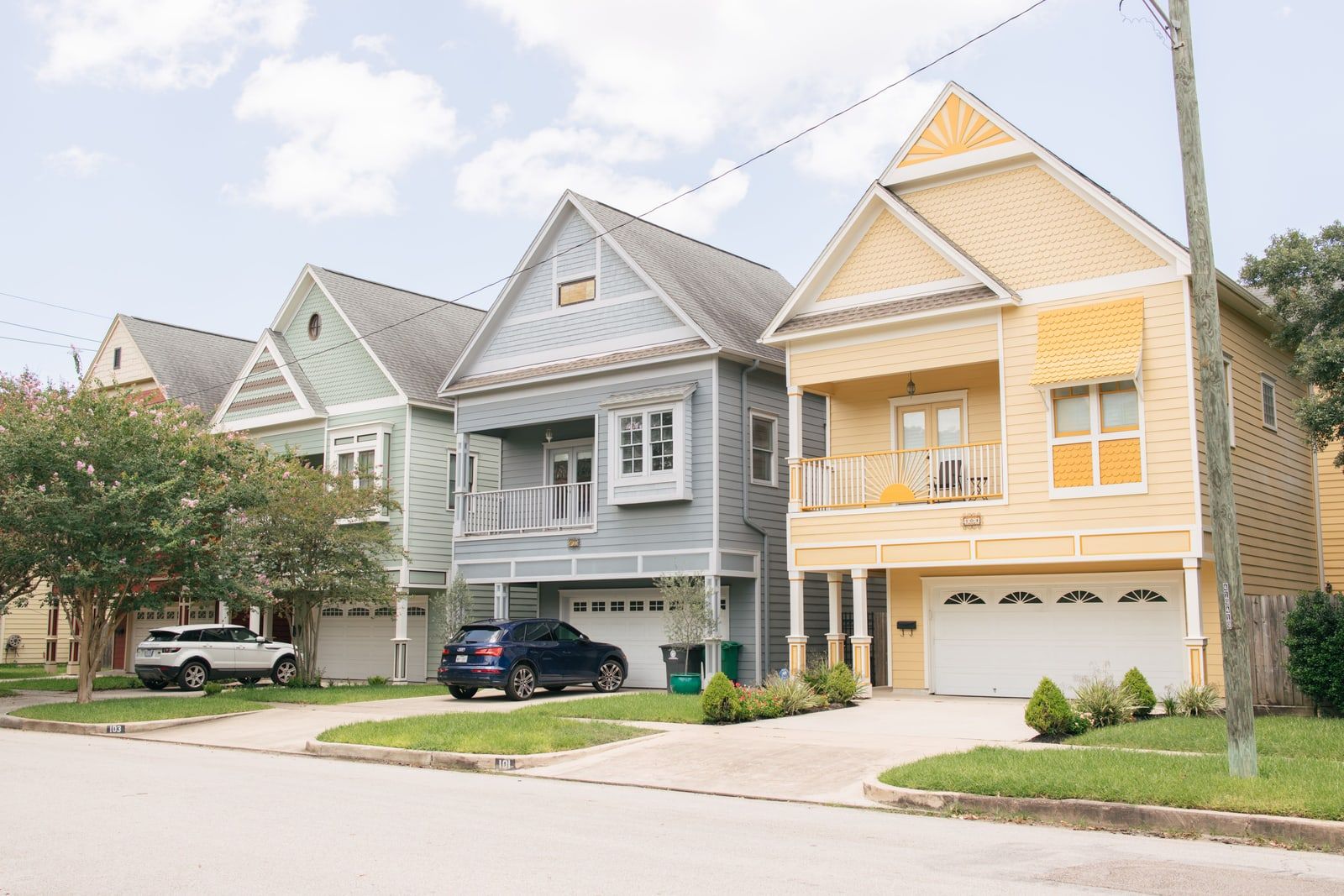
The second is bills. Working with non-profits, local utilities and state energy offices, Amazon says it will fund efficiency upgrades to K–12 schools, community buildings and private homes, which it expects to cut monthly energy costs by 20 to 40 per cent for the buildings that get them.

The third is unrestricted money. Amazon says it will route millions of dollars a year per community through local non-profits and community foundations, for whatever each place names as its priority — roads, parks, fire equipment, affordable housing, food security, school upgrades, disaster preparedness.
Water, power and the meter
Garman restated a 2030 target for Amazon’s data centres to be water positive, returning more water to local systems than they consume, and said the company was 75 per cent of the way there as of 2025. Amazon will publish its energy use, energy efficiency, water use, water efficiency and the share of its power that comes from carbon-free sources once a year, for the public to check.
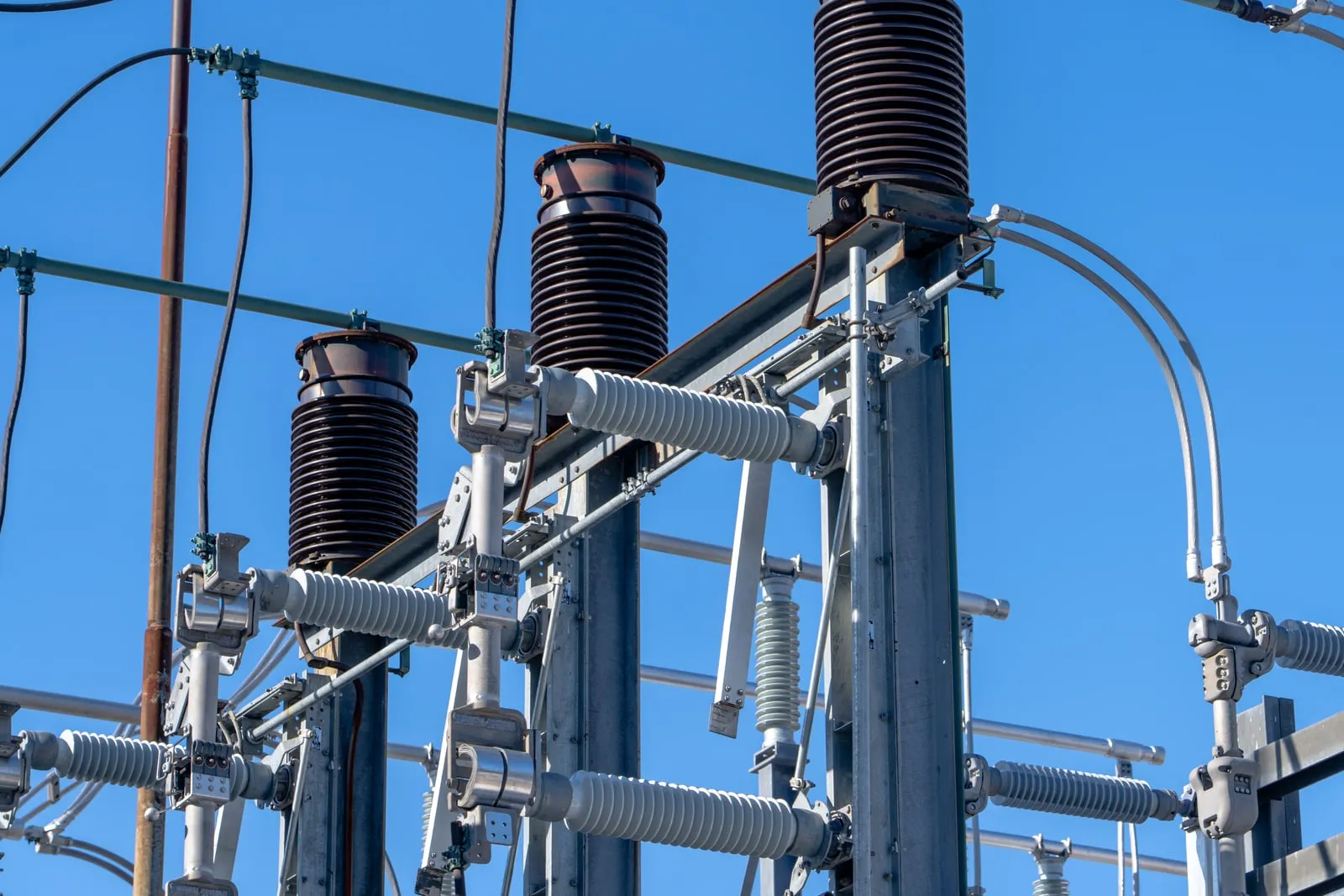
New sites will use backup generators meeting the US Environmental Protection Agency’s Tier 4 standard, the cleanest the agency sets. On the question that has driven most of the local anger — whether households end up subsidising the grid upgrades a hyperscaler needs — Garman wrote that Amazon works with utilities, regulators and grid operators “to ensure that the energy prices we pay for our data centres are sufficient to cover both the energy and infrastructure improvements.”
More than a hundred moratoriums
The announcement is not charity, and Amazon does not present it as such. Garman’s post notes that more than 100 data centre moratoriums are under consideration across the country, and frames much of the opposition as a product of misinformation. That is the commercial logic here: permitting, not chips or capital, is now the slowest step in building American AI capacity, and a county that has stopped issuing permits cannot be bought out of it.
What the pledge does not contain is an enforcement mechanism. The $1bn is a corporate commitment, not a condition of any permit, and the annual disclosures will be Amazon’s own numbers. The thing to watch is whether the next set of county negotiations actually run in public now that the NDAs are gone, and whether the utilities regulators in Virginia, Ohio and Mississippi accept Amazon’s account of who is paying for the wires.