A loan for capacity with a buyer already attached
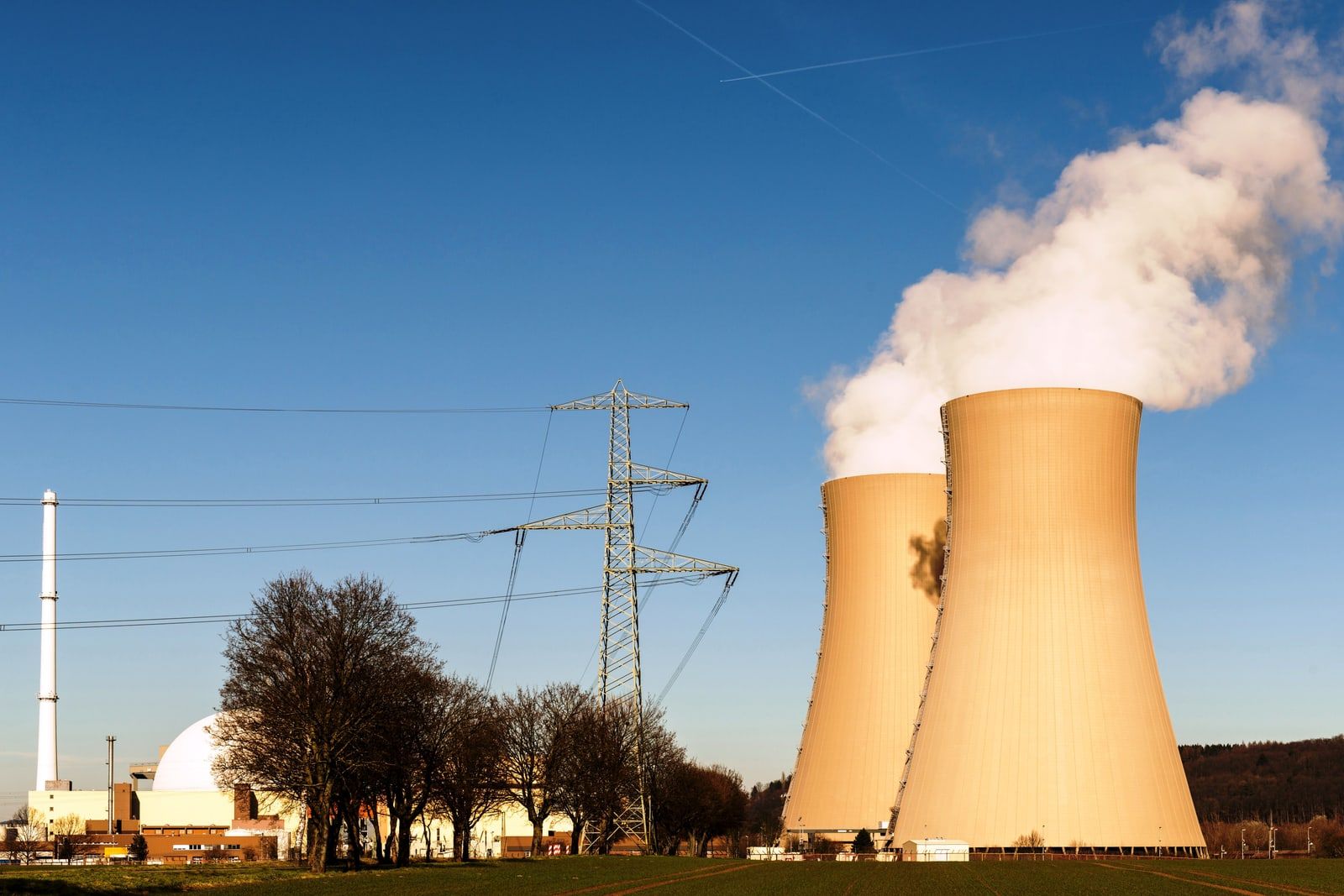
The US Department of Energy’s Office of Energy Dominance Financing announced on 27 October a conditional loan commitment of up to $5bn to Constellation Energy, to finance uprates and modernisation across eight nuclear plants: Braidwood, Byron, Clinton, Dresden, LaSalle and Quad Cities in Illinois, Calvert Cliffs in Maryland and Limerick in Pennsylvania.
The department puts the added capacity at nearly 1.1 gigawatts, describes it as enough electricity for more than 930,000 homes, and counts more than 10,000 project-related jobs across the PJM Interconnection and MISO grid regions. It ties the loan to the May 2025 executive order “Reinvigorating the Nuclear Industrial Base”, which directs DOE to facilitate 5 GW of uprates from existing reactors, and says its UPRISE programme has now identified 95% of that target.
What the release does not say is who is buying the electricity.
Three weeks earlier, the same megawatts were sold
On 6 October, Constellation announced a 20-year power purchase agreement with Google covering 890 MW of new nuclear capacity in PJM, delivered through uprates at eleven of its reactors across Illinois, Pennsylvania and New Jersey. Constellation said it would invest more than $4.3bn, and that the first uprate is expected by 2028. A separate 15-year agreement covers another 2,700 MW from existing plants and requires no new generation.
A week before that, Constellation signed a 690 MW agreement with Amazon at Calvert Cliffs, of which 190 MW is a planned uprate due online between 2030 and 2032. Those two uprate commitments add up to about 1,080 MW — within a rounding error of the “nearly 1.1 gigawatts” DOE is now helping to finance. A further 30 MW expansion at Clinton is tied to Meta.
So the federal loan is not underwriting demand risk. The output has contracted buyers, and the buyers are the three largest builders of AI data centres in the United States. What the loan does is lower Constellation’s cost of capital on projects it had already committed to.
Why the framing matters
DOE’s own language puts households first: cheaper power, lower costs, three named states. Constellation’s own announcements are more direct, citing demand from “digital infrastructure” and the AI economy, though Google’s release stops short of saying data centres too.

The distinction is not academic. An uprate adds electrons to a shared grid, and whether a household in Illinois sees a lower bill depends on how much of the new supply is contracted away at a fixed price before it reaches the market. Neither the DOE release nor the Constellation announcements publish the contract prices, so the ratepayer effect cannot be calculated from public documents.
What to watch
The loan is conditional. Constellation has to satisfy technical, legal, environmental and financial requirements before DOE signs definitive financing documents and disburses anything, and the commitment includes an option to finance uprates at other Constellation sites later. The first test is the 2028 delivery date on the Google uprate — the earliest point at which any of this capacity actually exists.