The steepest quarterly fall in years
Worldwide shipments of personal computers fell 20.1% year on year in the third quarter of 2026, to 62.7 million units, according to preliminary tracker data IDC published on 8 October. A day later, Omdia put the decline at 21.2%, to 58.1 million units, with desktops down 23.5% to 11.7 million and notebooks down 20.6% to 46.4 million.
The two totals do not reconcile, because the two firms count different machines, and their vendor splits diverge as well: IDC has Apple shipping 5.9 million units in the quarter, Omdia 6.8 million. What they agree on is the shape of the quarter. Both have the market down about a fifth, both have every large vendor except Apple falling by double digits, and both attribute it to price rather than taste.
Memory and storage now set the price of a laptop
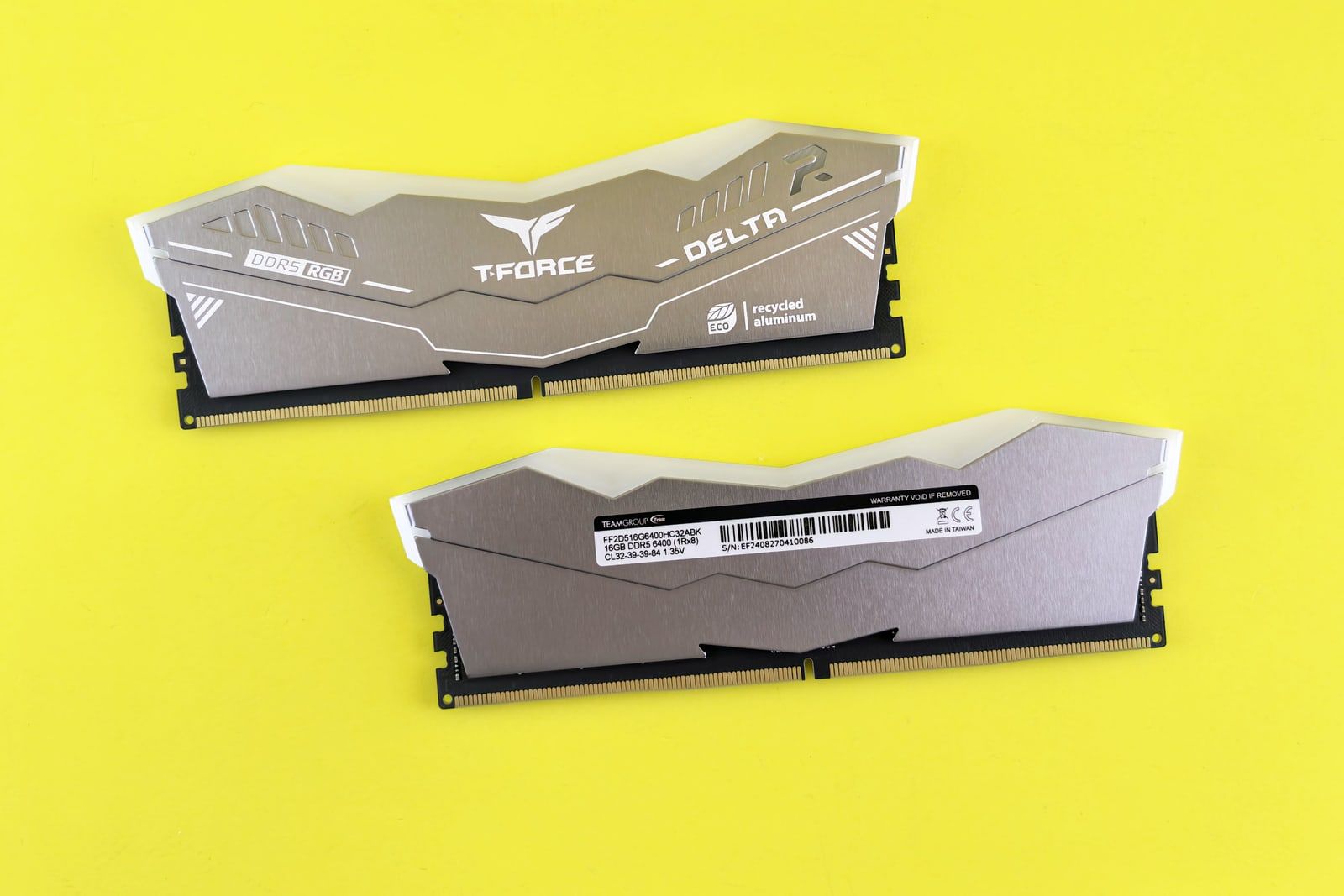
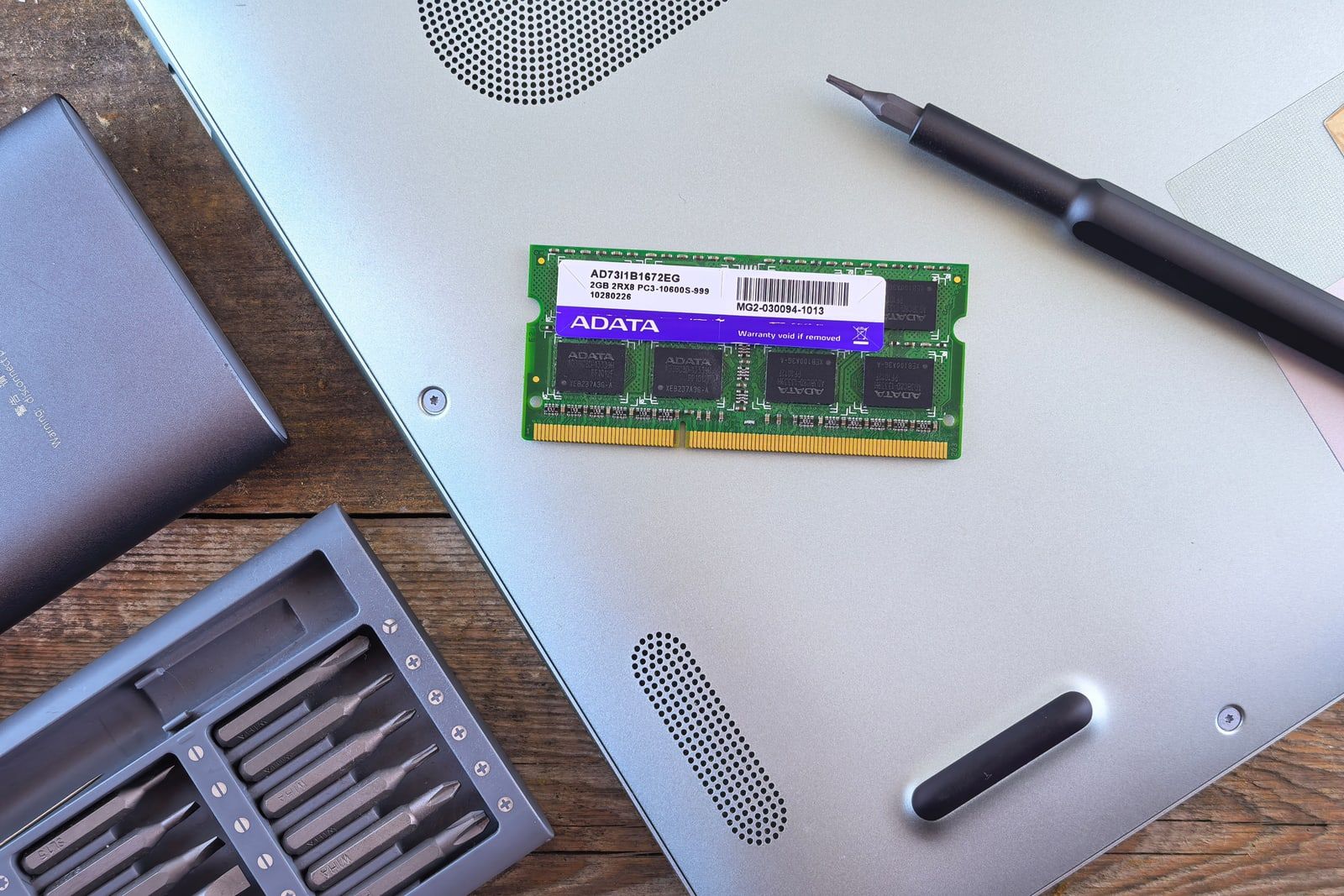
“The cost share of DRAM and SSDs in PCs has risen sharply from a typical level of around 15% to nearly 40%, with price increases more than fourfold,” said Ben Yeh, principal analyst at Omdia, in the firm’s release. That is the AI build-out arriving in a shop. The same DRAM lines and the same NAND supply that fill server racks also fill laptops, and when data-centre buyers take the volume, PC makers bid against them for what is left.
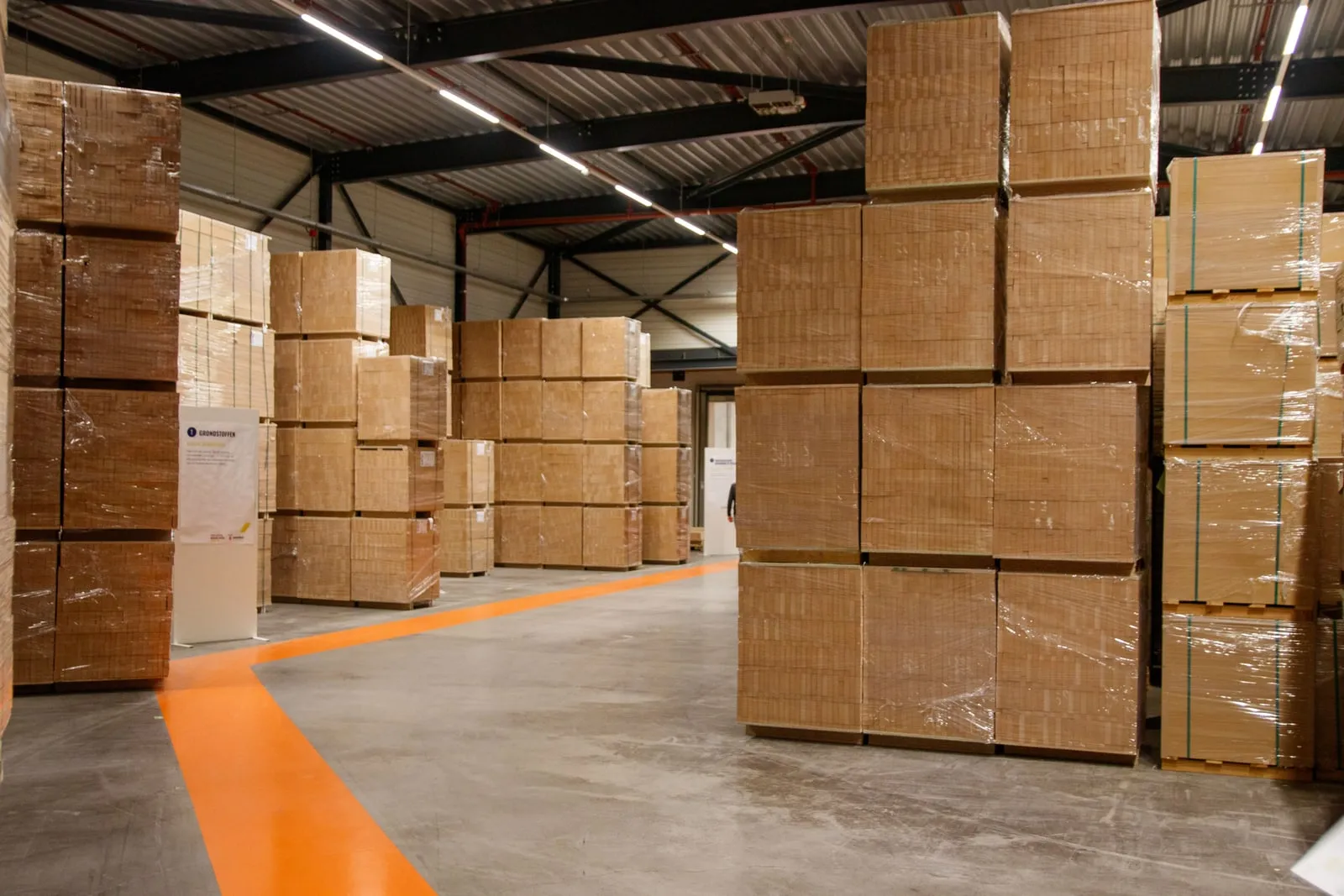
Omdia said vendors have raised prices repeatedly over the past few quarters and the increases have “yet to fully offset the impact”. Beyond memory, it listed shortages of processors, graphics cards and other integrated circuits as making supply and inventory planning harder.
The pull-forward that propped up the first half
Buyers saw the price rises coming and bought early, which is why the first half of 2026 looked healthy and the third quarter does not.
“What we’re seeing is the result of the strong first half pull-in,” said Jitesh Ubrani, research director for consumer devices at IDC. “Channels are now worried about carrying too much inventory into a market where high prices are suppressing demand.” Omdia’s Ishan Dutt made the same point from the supply side: vendors and their manufacturing partners began cutting production during the quarter while distributors worked through stock they had already taken.
Nobody escaped except the expensive end
On IDC’s numbers, Lenovo stayed first with 14.9 million units, down 22.6%, holding 23.8% of the market. HP took the heaviest hit of the top five, down 30.9% to 10.3 million units and 16.5% share. Dell fell 25.0% to 7.6 million, Apple 11.3% to 5.9 million, and ASUS 8.6% to 5.5 million.
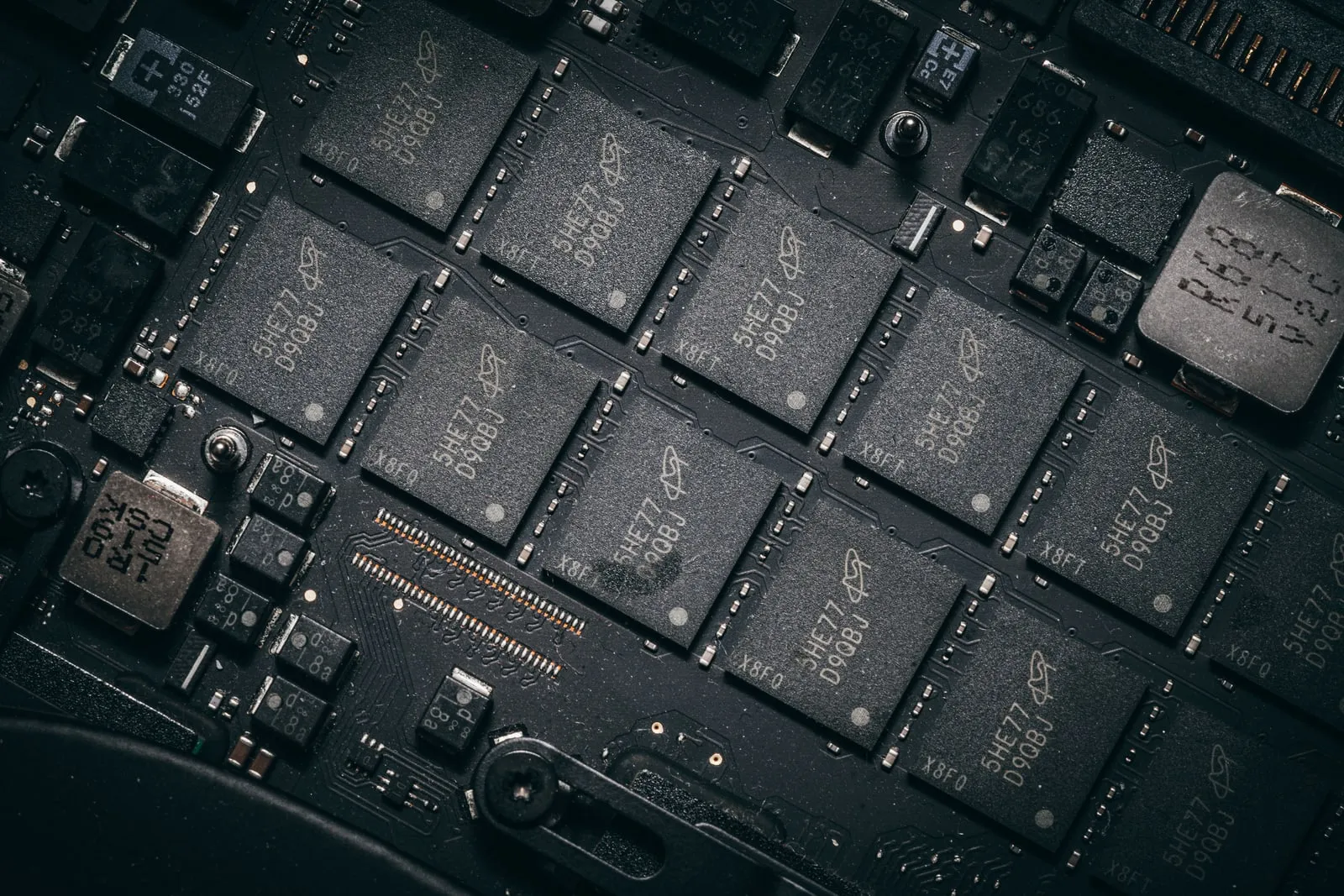
Apple’s relatively shallow decline came with a gain in market share on both trackers, which Omdia attributed to its premium positioning limiting the effect of higher prices. The vendors selling cheaper machines had less room to absorb a component bill that had quadrupled.
What to watch
Omdia expects the fourth quarter to fall 24% year on year and the whole of 2027 to fall a further 7%. Yeh called the current decline “just the beginning of a new downward cycle”. Ubrani does not expect prices to return to where they were a year ago.
The near-term test is whether channel partners discount to clear inventory, which would move units without fixing the cost problem underneath. The longer test is memory supply: until DRAM and NAND capacity catches up with what AI data centres are buying, the component bill that broke this quarter stays where it is.