What Nikkei reported
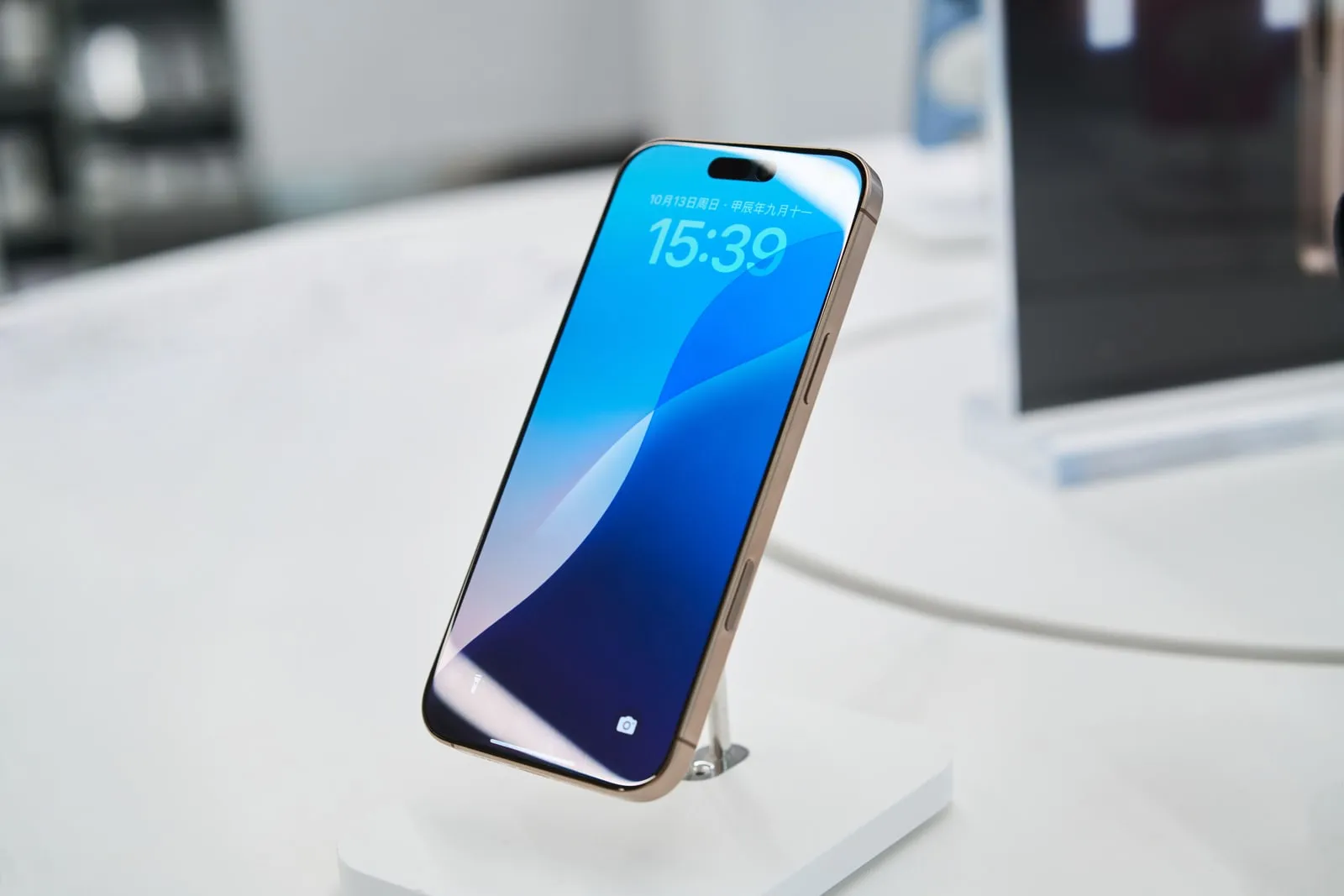
Nikkei Asia reported on 9 October that Apple has told some suppliers to reduce production of components for the iPhone 18 Pro and iPhone 18 Pro Max. Citing people familiar with the matter, it said October component orders are at least 15% below Apple’s original requests. An executive-level source told the paper: “In October alone, we are seeing orders from Apple reducing by 15% to 20% for both the premium models.”
Apple has not confirmed the reductions. Its shares dipped more than 1.6% in premarket trading on the Friday the report appeared, according to Forbes.
The price, and where the price comes from
The iPhone 18 Pro starts at $1,199 and the Pro Max at $1,299 — each $100 more than the model it replaced. Nikkei’s sourcing ties the softer reception to that increase, and the increase to the cost of memory.
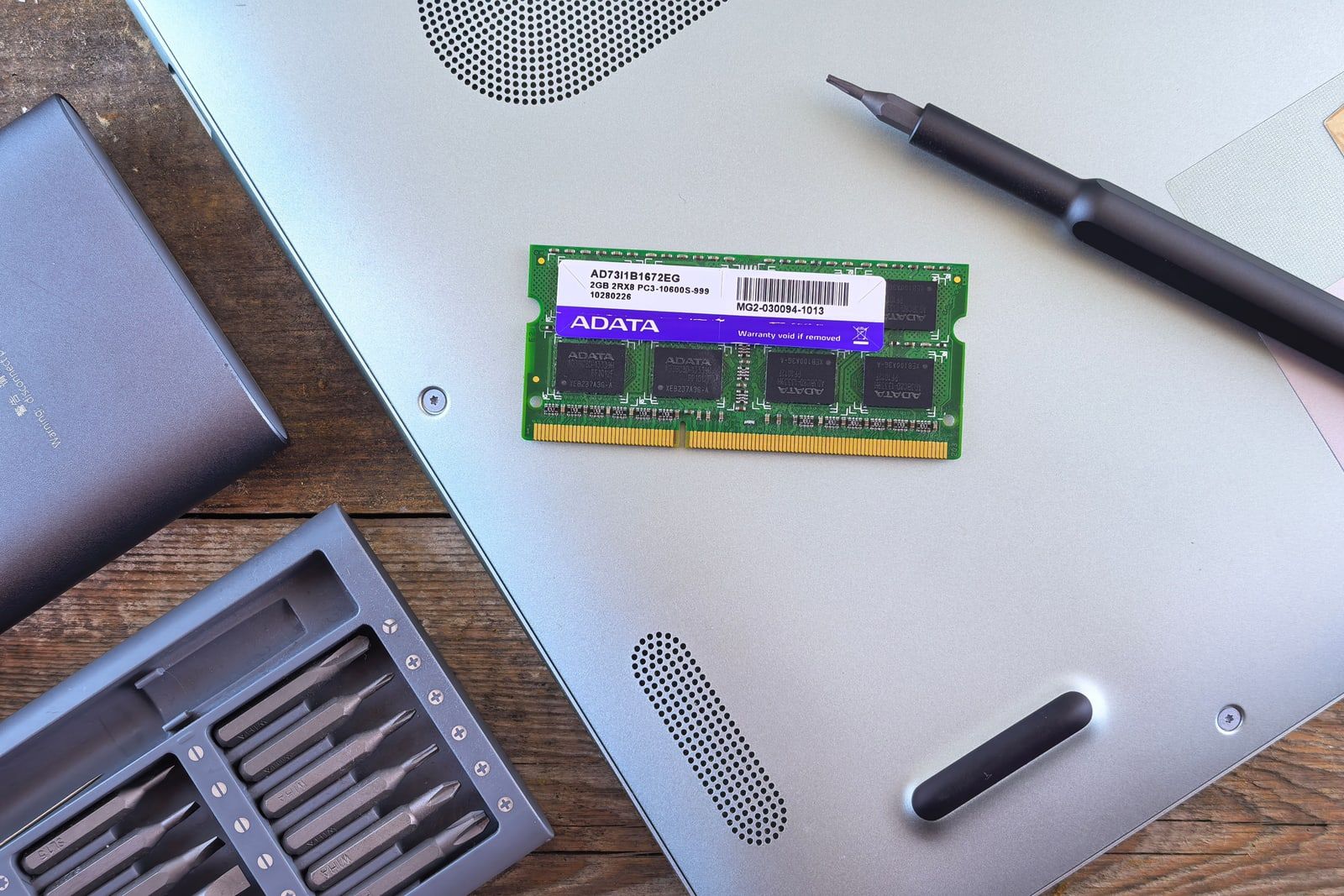
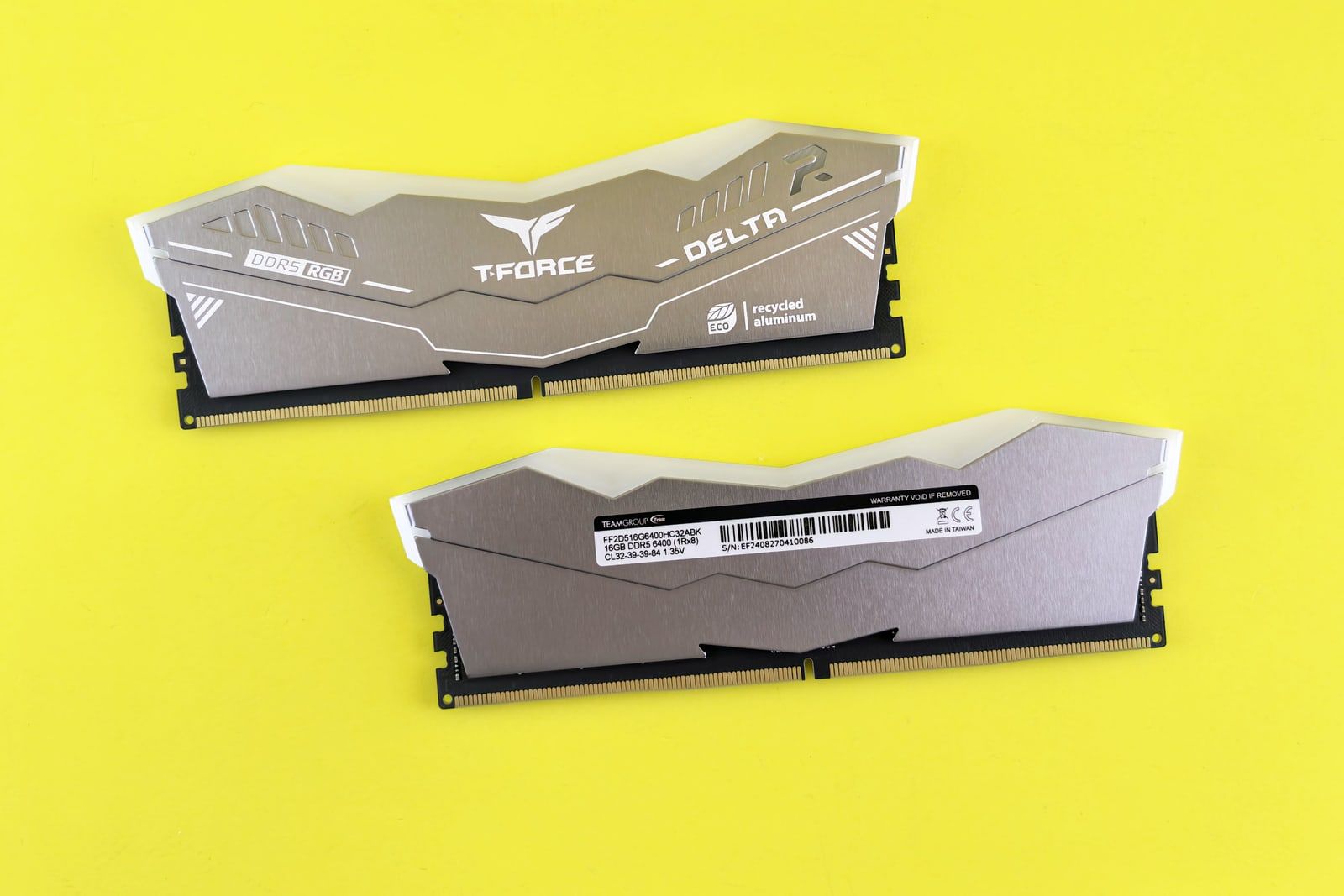
That is where the AI build-out enters a consumer story. Memory is the component whose price has moved most, because the companies filling data centres with accelerators are buying a growing share of global supply, leaving less for the makers of phones and laptops. Fortune reports a J.P. Morgan Global Research estimate that DRAM prices will have risen more than 400% between the start of 2024 and the end of 2026. Fortune also notes that Tim Cook described memory pricing as a “100-year flood” on an Apple earnings call in July.
For two years the cost of the AI expansion has been visible mostly in capital expenditure disclosures and electricity bills. This is one of the first places it shows up on a shelf.
The caveats, which matter
Three of them.
First, a cut in component orders is not the same as a fall in sales. A 15% reduction in what Apple is asking suppliers to build in one month says something about Apple’s expectations; it does not mean iPhone units are down 15% year on year.
Second, price is not the only variable Nikkei identifies. The report also points to a change in Apple’s launch schedule: the premium models went on sale first, and the standard iPhone 18 is being held back to early next year. A supply-chain manager quoted by Nikkei said second-half demand is not as strong as in previous years, likely because there is no baseline iPhone 18 alongside the Pro models. Some of the shortfall is therefore a sequencing effect rather than a demand signal.
Third, this is reporting from unnamed suppliers rather than a disclosure. Apple’s own numbers will not arrive until its next results.
What to watch is whether other handset makers make similar cuts, and whether memory contract prices for the first half of 2027 come in lower or higher than the ones that produced this quarter’s $100.