Two chips instead of one
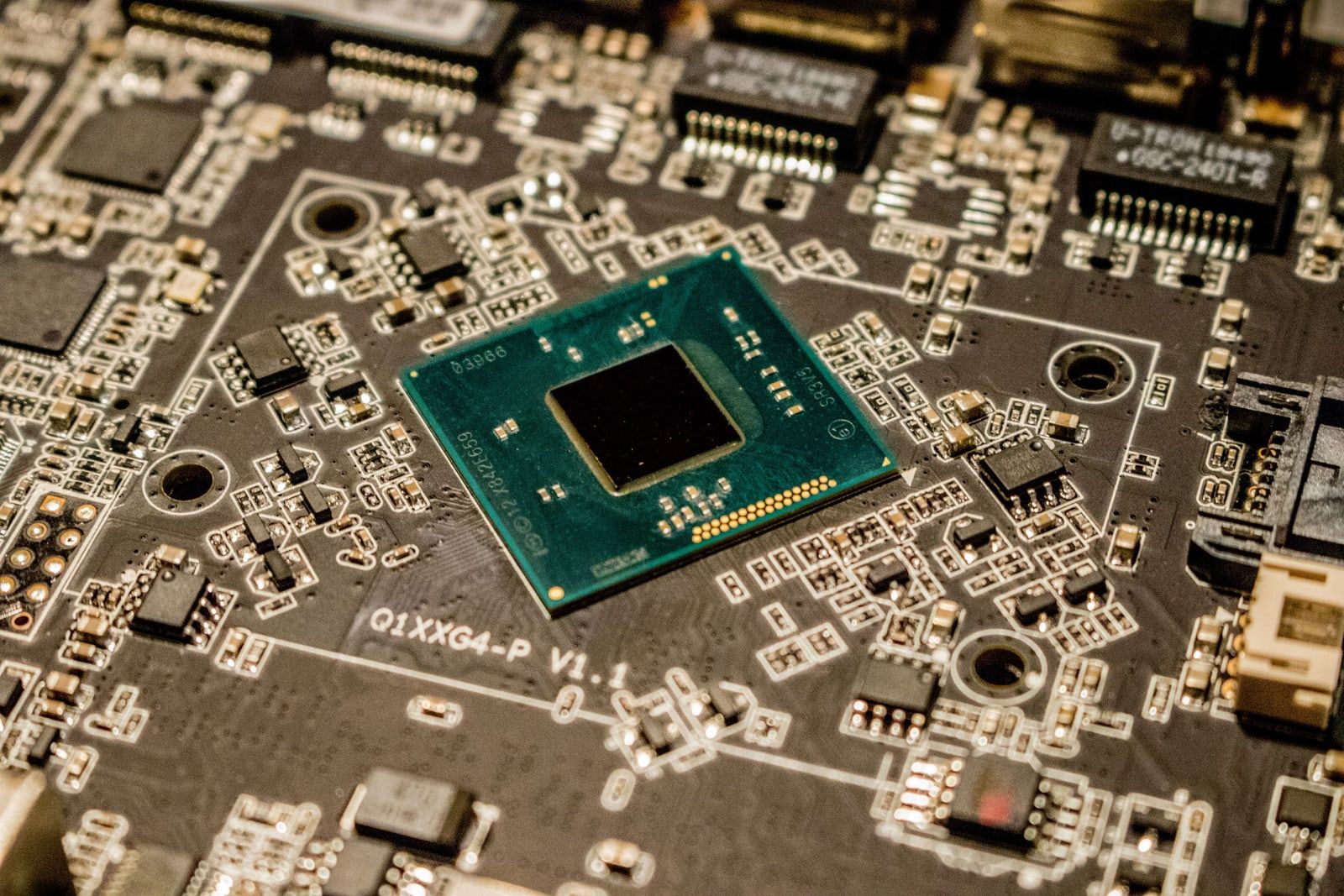
Qualcomm opened its Snapdragon Summit in Maui on Tuesday by splitting its flagship in two: the Snapdragon 8 Elite Gen 6 and a higher tier called the Snapdragon 8 Elite Extreme Gen 6. Both are built on a 2nm process, with an Oryon CPU configured as two 5GHz prime cores and six 4GHz performance cores, according to 9to5Google.
The generational gains are in the range the industry has come to expect. The Elite Gen 6 is quoted at 10% better CPU performance and 37% better power efficiency than the Gen 5, with 35% better GPU performance; the Extreme adds 13% on CPU and 44% on GPU year over year.
The number that matters
The interesting figure is not the CPU. Qualcomm says the Extreme tier can run mixture-of-experts models of more than 30 billion parameters locally, TechCrunch reported, supported by 18MB of high-performance memory — half again as much shared memory as the previous generation.
That is a meaningful step for on-device inference. For comparison, Apple’s third-generation foundation models, announced at WWDC in June, include a 20-billion-parameter mixture-of-experts model. A sparse architecture is what makes this possible: only a fraction of a mixture-of-experts model’s parameters are active for any given token, so the memory bandwidth cost is closer to a much smaller dense model.

Always-on, at a lower tier
Below the main NPU, Qualcomm says the sensing hubs can run models of up to 200 million parameters. That is the always-on layer — the part that stays awake for wake words, context and sensor fusion — and putting a model of that size there is how a phone notices something without spending the power budget of the main accelerator.
The NPU figures follow the same split: 14% better NPU performance and 20% better AI performance per watt on the Elite Gen 6, against 35% and 33% on the Extreme.
What it is for
Qualcomm’s pitch at the Summit was an assistant that acts rather than answers: voice-in, voice-out agents, and a personal scribe that transcribes and distinguishes between speakers. Chief executive Cristiano Amon framed the future of the phone around proactive AI intent. Both chips are paired with the company’s newly architected X105 5G modem supporting 3GPP Release 19.
Motorola announced the Signature 27 running the Extreme tier. Wider availability is set for 2026.
What to watch
Whether anyone ships a 30-billion-parameter model to consumer handsets in practice. The silicon supporting a model size and a phone maker licensing, quantising, storing and shipping one are different problems, and the second has been the bottleneck for two generations.