The numbers in the filing
Powerlattice, a semiconductor startup in Vancouver, Washington, filed a Form D with the Securities and Exchange Commission on 30 October. It discloses an offering of $111,010,000, of which $86,009,965 had been sold. That leaves $25,000,035 unsold. Eighteen investors had bought in, the first sale was on 15 October, and the exemption claimed is Rule 506(b). Chief executive Peng Zou signed it.
The filing does not name a single investor, and it does not call the raise a round. GeekWire, which found it, reported the figure as $86 million raised — the amount sold, not the size of the offering. The company declined to comment.
What the money is for
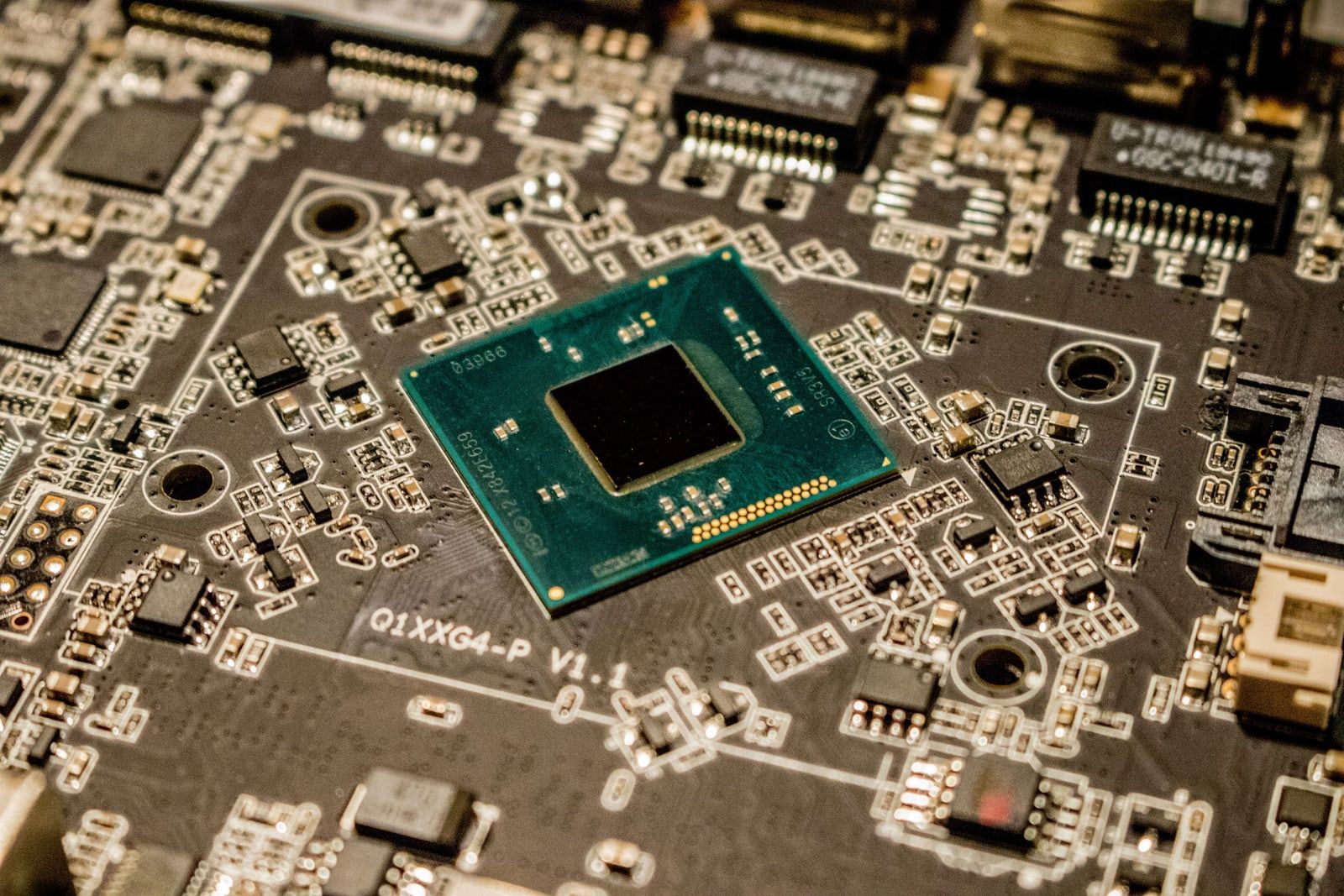
Powerlattice makes what it calls a power delivery chiplet: a small component that sits inside the processor package. Conventional designs route current to the processor over long paths and lose energy along the way. Shortening that path, the company says, can cut energy use by more than half and raise performance at the same time.
That figure is Powerlattice’s own. No independent measurement of it has been published, and the company has not named a customer. It said last year it was supplying engineering samples for GPUs, CPUs and custom accelerators.
Earlier in the week the company said it had demonstrated what it calls the industry’s first monolithic integrated voltage regulator chiplet, putting the controller, the power transistors and the inductors on one piece of silicon. In the test it powered a device Powerlattice built itself to imitate the fast-shifting electrical loads of a next-generation AI accelerator. “Breaking through the AI power wall requires us to rethink how power reaches the processor,” Zou said in that announcement.
Who is behind it
The Form D lists Pat Gelsinger as a director. Gelsinger was Intel’s chief executive until 2024 and is now a general partner at Playground Global. Also listed are Steve Fu of Celesta Capital and Wen Hsieh, founding managing partner of Matter Venture Partners.
Playground Global and Celesta Capital led the company’s $25 million Series A, announced last November, which brought its total to $31 million. The new filing nearly triples that. Zou founded the company in 2023 with Gang Ren and Sujith Dermal; their backgrounds span Qualcomm, Intel and NUVIA, the chip startup Qualcomm bought in 2021. Powerlattice also has offices in Chandler, Arizona; San Jose, California; and Hsinchu, Taiwan.
“AI is not constrained by capital, it’s constrained by power,” Gelsinger said when the Series A was announced.
Why power delivery became a market
The constraint he described has hardened since. AI accelerators now draw enough electricity, and throw off enough heat, that operators run into limits on the power and cooling a site can supply before they run into limits on chips. That has pushed the problem up the stack: into grid connections, into siting decisions, and now into the package itself, where a few percent of delivery loss is worth a company.
It also explains why a component this small attracts this much money. A chiplet that drops into an existing processor design without a redesign is the rare efficiency gain a chipmaker can adopt on its own schedule, rather than waiting for a process node.
What to watch
Whether the remaining $25.0 million closes, and whether Powerlattice names a customer or a manufacturing partner for a production part rather than samples. Until one of the companies designing accelerators says publicly that it is using the chiplet, the more-than-half figure stays a vendor claim about a part no buyer has confirmed.