A 51-49 split, and no number for the whole
Saudi Arabia’s Public Investment Fund and Aramco said on 1 November that they had closed the transaction handing Aramco a 49% stake in HUMAIN, the state-backed artificial intelligence company PIF launched in May 2025. PIF retains 51%.
Aramco is making the payment through a wholly owned subsidiary. Its release puts the consideration at approximately 9.9 billion Saudi riyals, about $2.6bn, contributed in cash during 2026, together with AI, compute and digital assets transferred out of the oil company. Both shareholders say they are contributing capabilities and staff as well as money.
What the release does not contain is a valuation. It gives the stake, it gives Aramco’s contribution, and it stops there — which leaves Aramco’s minority public shareholders without the one figure they would need to judge whether 49% of HUMAIN was worth 9.9 billion riyals.
What HUMAIN is being built to be
HUMAIN is eighteen months old and deliberately broad. Aramco’s release describes a full-stack company working in four areas at once: data centres, what it calls hyper-performance infrastructure and cloud platforms, AI models — including ALLaM, an Arabic large language model — and applied AI products. The stated ambition is to become one of the world’s leading AI exporters, which is an unusual goal for a company in a country that currently imports almost all of its advanced compute.
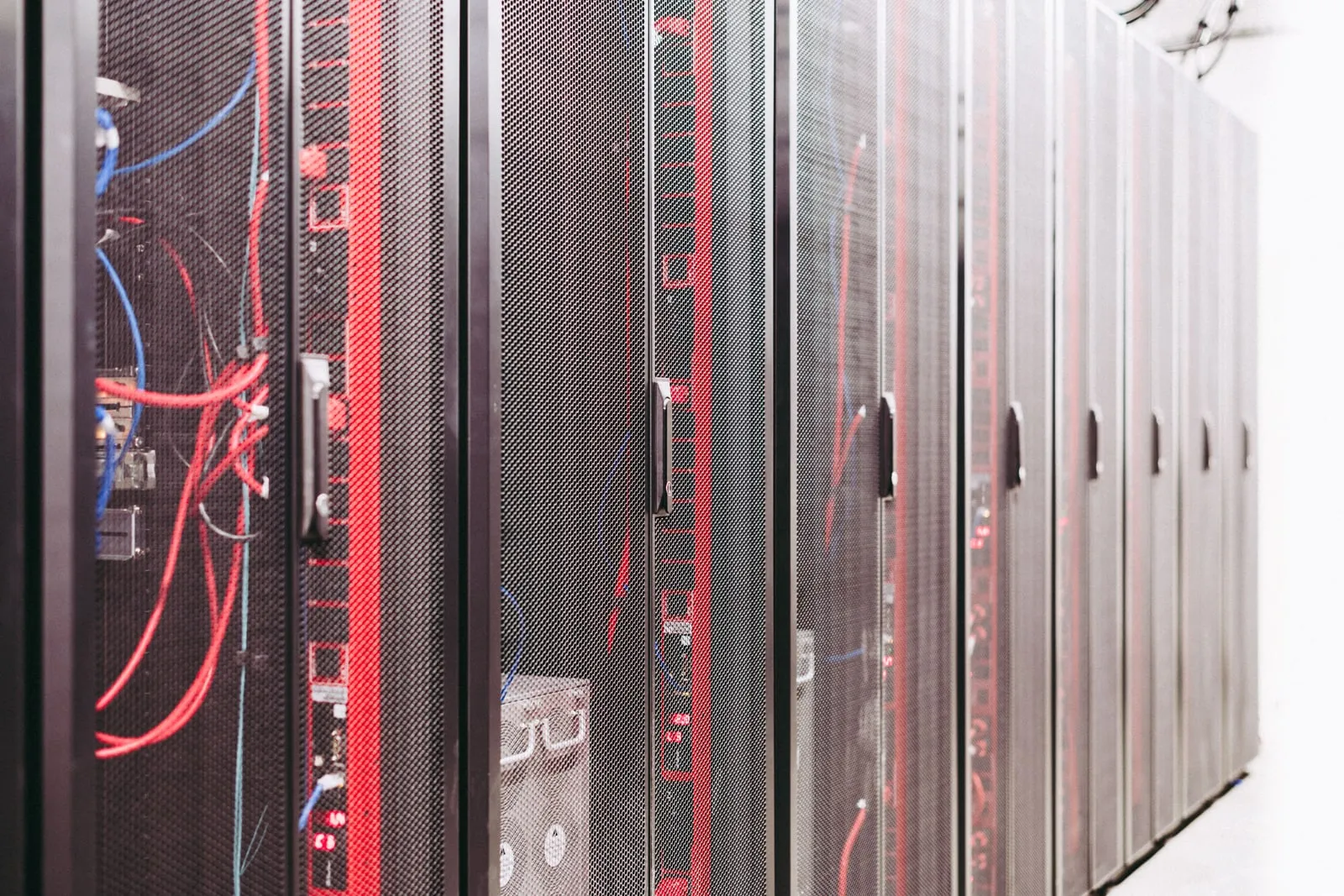
The concrete commitment attached to that ambition is 3 gigawatts of AI data centre capacity deployed by 2030. For scale, that is roughly the output the US Department of Energy expects from nearly three nuclear uprate programmes of the kind it has just agreed to finance, and it is a figure that will depend on export licences HUMAIN does not control.
Why an oil company
Aramco’s logic, as its president and chief executive Amin H. Nasser framed it, is that AI will matter to the future of business generally — not a claim specific to energy. The more practical reading is that Aramco has compute, data-centre land, power and digital teams of its own, and that moving them into a PIF vehicle concentrates assets that were spread across two state balance sheets. Yazeed A. Al-Humied, PIF’s deputy governor and head of MENA investments, described the effect as creating a synergy by bringing the two sides’ AI investments under one roof.

It also changes who answers for HUMAIN. A sovereign fund answerable to the state now shares control with a listed company that has minority investors, an audited balance sheet and quarterly reporting obligations. Whether HUMAIN’s capital spending, its model work and its data centre pipeline start appearing in Aramco’s disclosures in any detail is the thing to watch in the next results.
What comes next
The deal is closed, so the near-term questions are operational: which Aramco assets actually transferred, whether ALLaM gets a published evaluation, and how much of the 3 gigawatts has signed power and chips behind it rather than a target date.