One tenant, a fifth of a country
ByteDance accounts for roughly one-fifth of China’s delivered data centre capacity, making the TikTok owner the country’s single largest tenant, according to estimates from the research firm SemiAnalysis reported by the South China Morning Post.
The estimate comes from a model built on more than 1,000 facilities operated by over 60 companies. SemiAnalysis puts China’s total delivered capacity above 24 gigawatts, which it says exceeds EMEA and the rest of Asia individually, against 56 gigawatts in the United States at the end of 2026.
Twenty per cent of 24 gigawatts is roughly 4.8 gigawatts under one company’s control.
ByteDance rents almost all of it
The detail that makes the number unusual is that ByteDance owns very little of this. SemiAnalysis says the company rents nearly all of its data centre footprint.
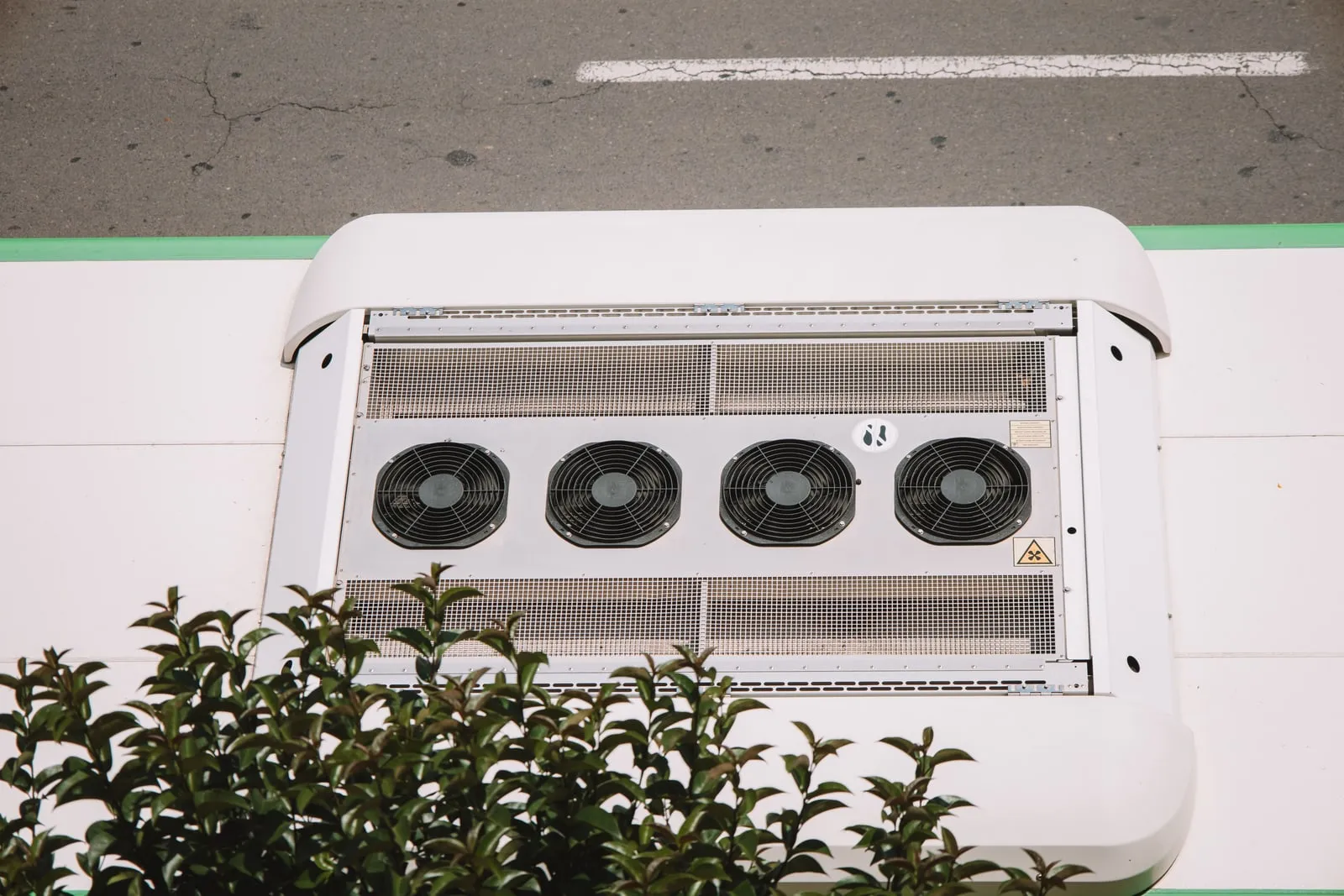
That is the opposite of the American pattern, where Microsoft, Amazon, Google and Meta build and own. It also explains why the figure has not appeared in any filing: ByteDance is private, and leased capacity does not show up as capital expenditure the way a self-built campus does. SemiAnalysis notes that the two listed Chinese data centre companies, GDS and VNET, captured barely a third of ByteDance and Alibaba orders between 2024 and 2026 — the rest went to operators that do not report.
What is running on it
ByteDance’s AI products are consumer-scale. Doubao, its assistant, has what the company says are hundreds of millions of users. Seedance is its video generation model. Neither is a frontier research programme; both are the kind of product that consumes inference capacity continuously rather than in training bursts.
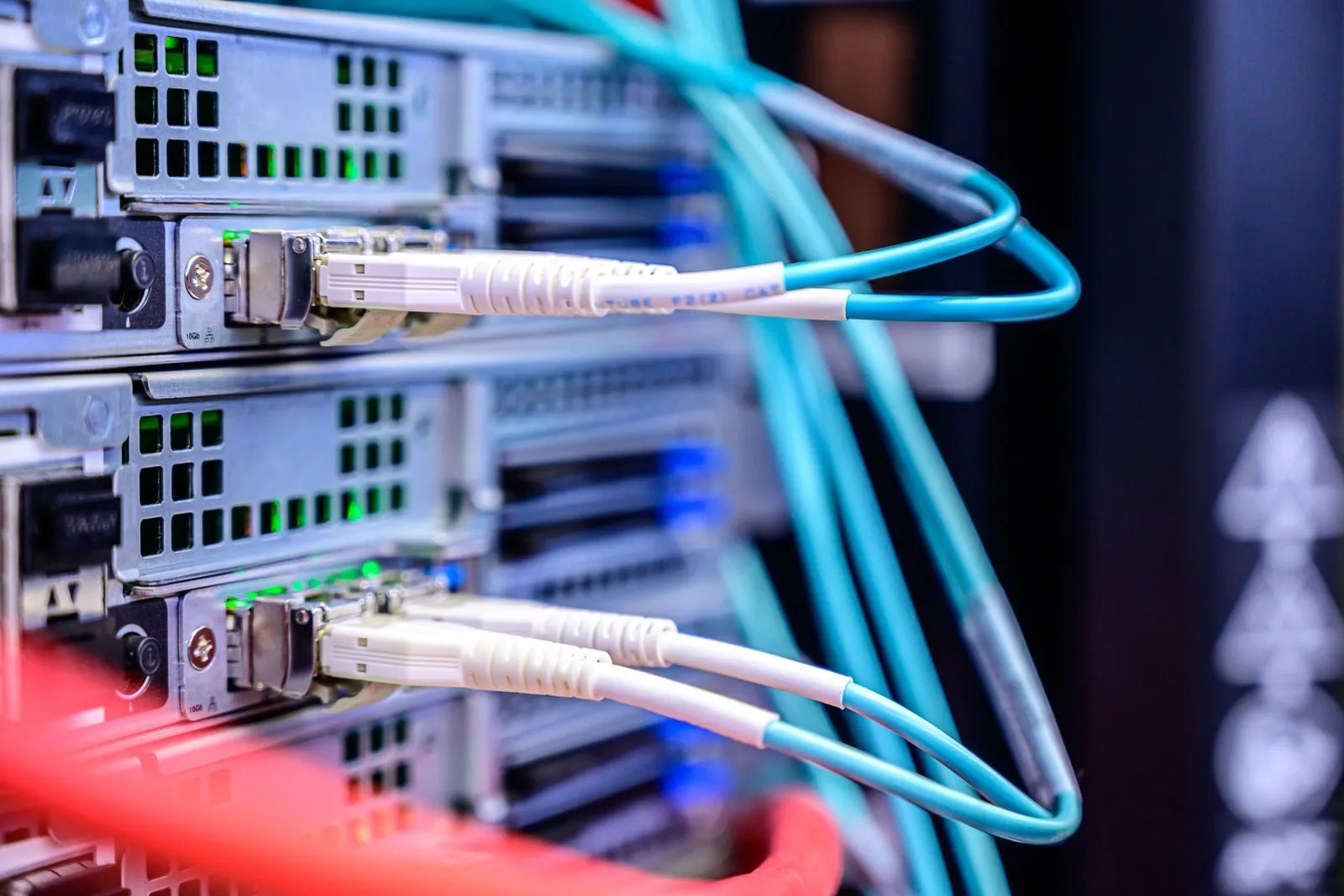
For context on the spending around it: Alibaba, Tencent and Baidu together deployed about $20 billion of capital expenditure in the second quarter, more than double the year-earlier figure. ByteDance’s share is invisible in that comparison because it is rent, not capex.
What to watch
Two things follow from a single private company holding a fifth of a national build-out through leases. The first is concentration risk for the landlords: a large share of Chinese colocation revenue depends on one tenant’s renewal decisions. The second is measurement. Chinese AI capacity is routinely estimated from public company disclosures, and this analysis says the largest single consumer does not appear in them.
SemiAnalysis also counts roughly 20 gigawatts of dated pipeline and another 30 gigawatts of announced projects outside the 24 gigawatts already delivered.