Everything under construction, and everything queued
Thailand has suspended 166 data centre projects while the government writes a single national rulebook for the industry. The country’s data centre policy board took the decision at its first meeting on 4 September, chaired by Deputy Prime Minister Ekniti Nitithanprapas. The freeze covers 49 projects already under construction and 117 still waiting on permission from various agencies, The Nation Thailand reported.
Operators have been given one week to hand over information about what they run today and what they intend to build. The government’s stated reason for asking is blunt: it does not have reliable figures on either. Roughly 35 data centres already operate in Thailand, 11 of them under Board of Investment promotion and 24 approved through other channels, mostly inside industrial estates.
Four subcommittees, one month
Four subcommittees have a month to produce the criteria that will govern approvals once they resume. They cover economic benefit and job creation; infrastructure, meaning how much water and electricity a site may draw; site selection and building requirements; and environmental standards, including a push toward clean energy and technology transfer.
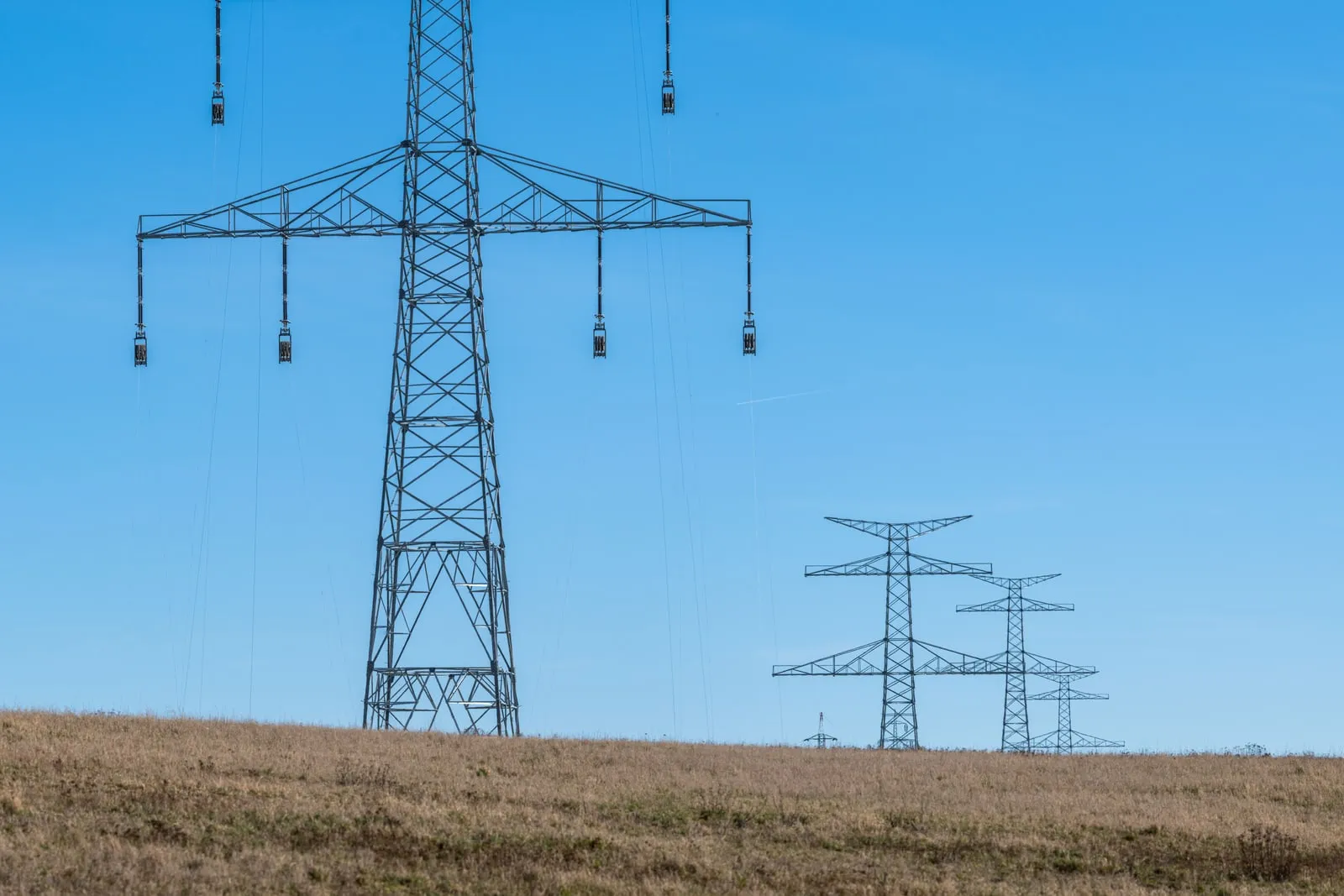
Two further changes were set out alongside the pause. Facilities drawing more than 2 megawatts will be reclassified as industrial businesses, which changes the permits they need before a spade goes into the ground. And the board raised the idea of “resource utilisation fees” — charges intended to offset the public cost of the power and water a large site consumes.
Bangkok is the pressure point
The immediate trigger is local. Bangkok Governor Chadchart Sittipunt told the board that six applications in the capital area each require between 9 and 23 megawatts of power. Three facilities already operating in Bangkok will be spot-checked for noise, heat, safety and other effects on the communities around them, The Register reported.
That is the political shape of the problem. A data centre is a large, permanent draw on two resources a city cannot manufacture, sited next to people who did not ask for it and who can vote. Thailand’s government has framed the pause as a question of what the country gets back: it wants new sites to deliver jobs, technology transfer and affordable cloud and AI services to Thai businesses, rather than cheap power and water to operators serving demand elsewhere.

A pause is not a ban
Nothing in the decision cancels a project. The board has stopped the clock on approvals and construction while it decides what it is approving against, and it has told the industry the standards will be national rather than negotiated site by site. For operators mid-build, that is still an expensive month: capital is committed, contractors are on site, and the rules that will apply do not exist yet.
What to watch
The subcommittees’ deadline falls in early October. Whether this stays a one-month pause depends on whether all four sets of criteria land on time and whether the board accepts them at its next meeting. The second thing to watch is the resource fee — whether it survives into the final rules, and at what rate. That single number will say more about where Southeast Asia’s next gigawatt of AI capacity gets built than the moratorium itself.