A pledge with nineteen boxes to tick
Türkiye’s COP31 Presidency and the International Telecommunication Union launched the Antalya Artificial Intelligence Pledge on 16 November, at the summit’s High-Level Green Digital Action Roundtable on AI. It is voluntary, it creates no new obligations, and it is the first instrument at a climate COP aimed squarely at the energy and materials AI consumes.
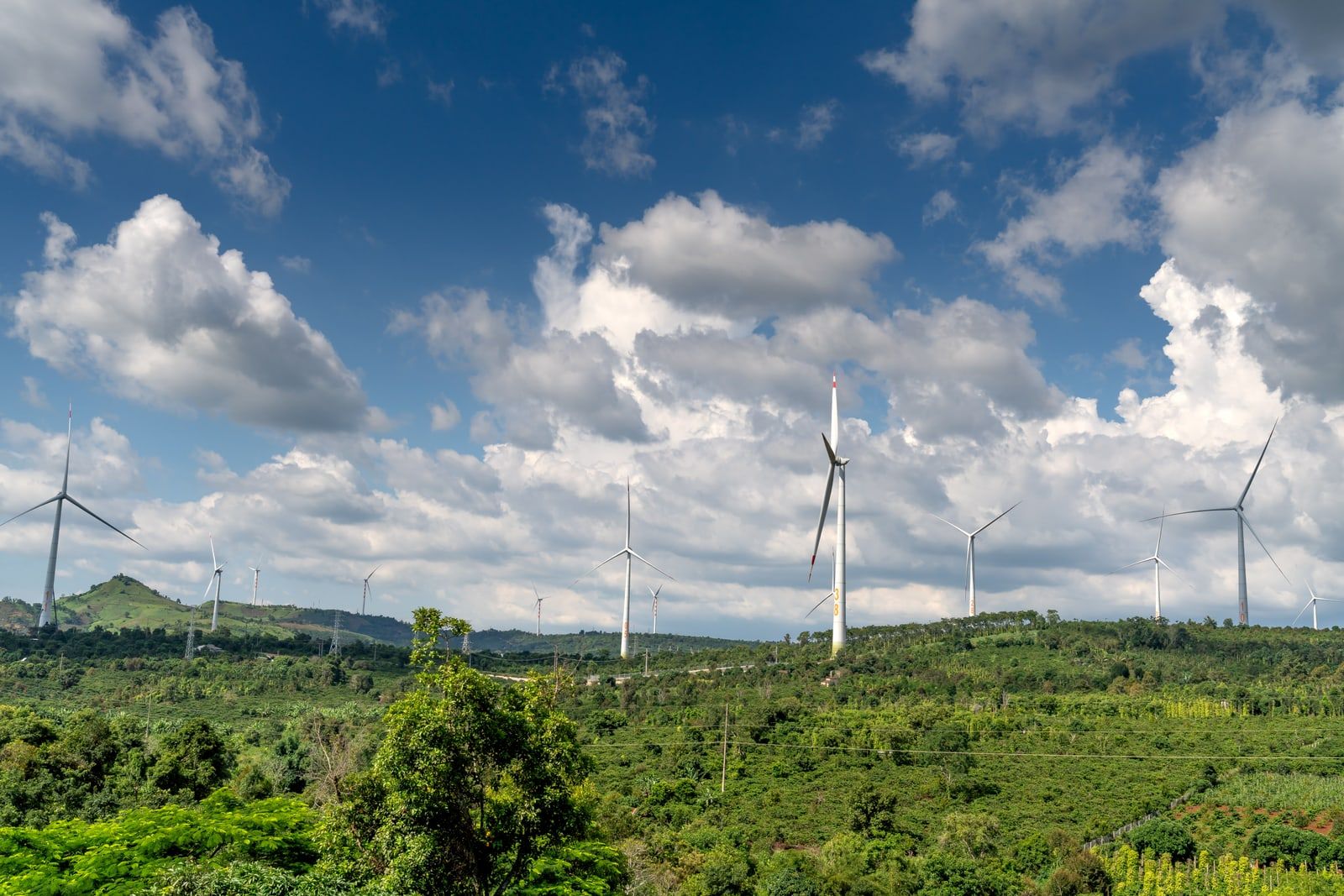
The pledge’s own page sets out four action areas: powering and building AI infrastructure and hardware sustainably; designing, managing or procuring AI responsibly across its lifecycle; supporting assessment and reporting of AI’s environmental impacts; and strengthening financial and technical support for AI used in climate action.
Governments get eight, everyone else gets eleven
The commitments sit in two annexes. Annex A, for governments, lists eight: asking AI providers to disclose, building an ICT energy and greenhouse-gas inventory, low-emission power for AI infrastructure, sustainability procurement guidelines, AI skills training, support for developing countries including compute, advancing AI climate solutions, and knowledge sharing with other countries.
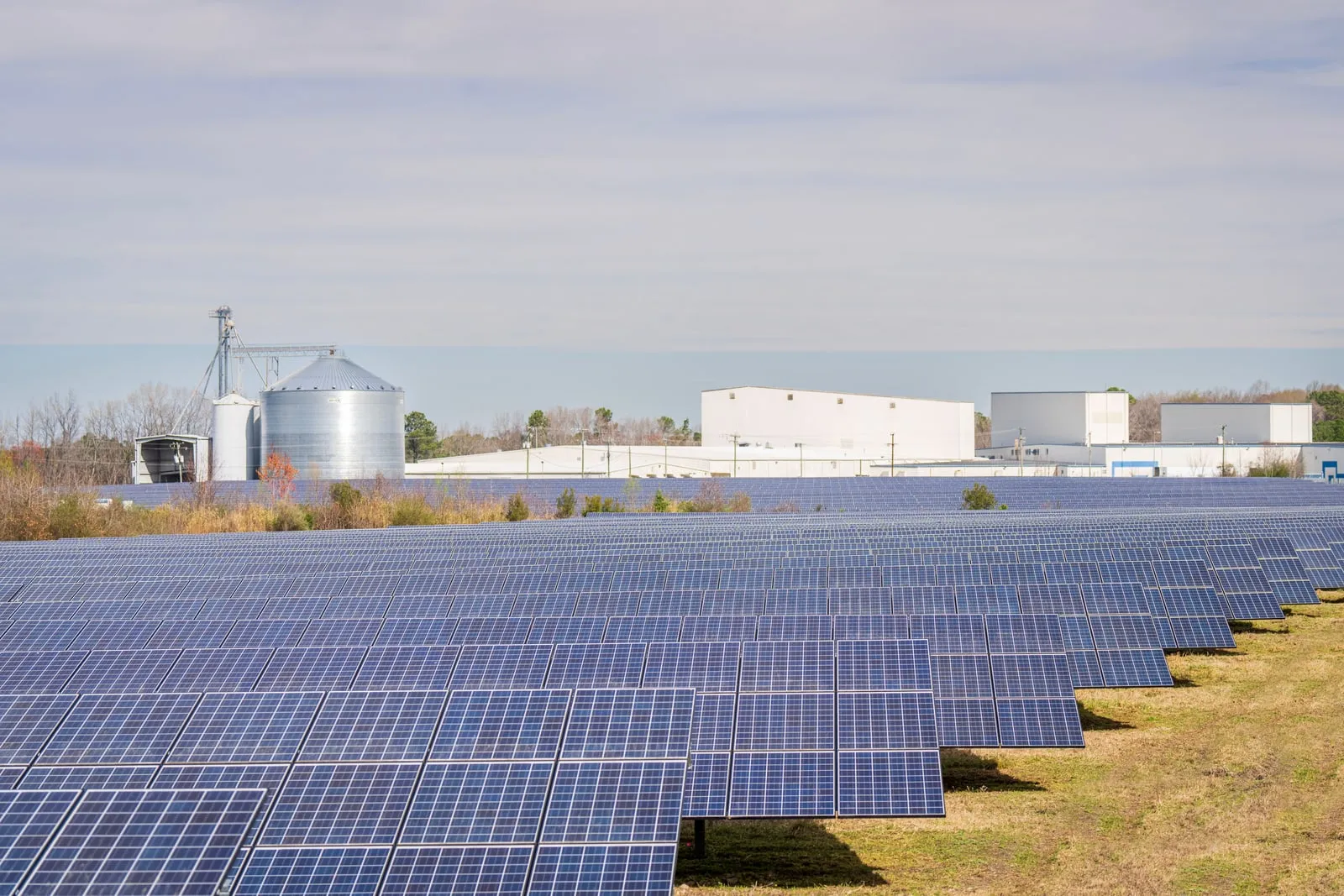
Annex B, for non-Party actors, lists eleven: assessing and disclosing the impacts of AI systems, requiring provider disclosure, low-emission power targets, green data-centre requirements, resource-efficient model design guidelines, circularity and e-waste guidelines, component recyclability, skills training, financial and in-kind support, technical and compute support, and disclosure of the net greenhouse-gas effect of AI climate solutions. Most carry target percentages, numbers or years.
An endorser picks at least one commitment from the annex that applies to it. That is the whole mechanism: self-selection, self-reporting, measurable indicators chosen by the signatory.
Who can sign, and until when
Endorsement is open to governments and to non-State actors — businesses, investors, financial institutions, research institutions, international organisations, cities, subnational governments and civil society organisations. The window runs from COP31 to COP32.

The ITU’s deputy secretary-general, Tomas Lamanauskas, has said the energy consumption of data centres powering AI is expected to double by 2030. That is the gap the pledge is aimed at, and also the reason its voluntary structure draws criticism: because it sets no floor, it cannot establish a common emissions, energy or water standard for the industry.
What to watch
The signature list is the story. A pledge where a company may pick one commitment out of eleven tells you less by existing than by who signs and which boxes they tick — whether the large cloud and model providers appear at all, and whether any of them select the disclosure commitments rather than the training and knowledge-sharing ones. The pledge text is published; the first review comes at COP32.