
Five commitments, in the industry’s own words
The Information Technology Industry Council, a global technology trade association, published a set of industry commitments for what it calls responsible data centre growth on 29 October. There are five.
The technology industry commits to engaging communities early and supporting local benefits that match local needs; to upgrading America’s energy infrastructure while protecting affordability for existing consumers; to using water and energy responsibly and supporting environmental stewardship; to improving the reliability, resilience and security of data centre facilities and the wider grid; and to offering transparency through suitable reporting.
Gordon Bitko, ITI’s executive vice president of public sector, put the framing in one line: America does not have to choose between expanding its digital infrastructure and supporting communities.
What the document does not contain
The release names no signatories. It describes the commitments as industry-led and issued by ITI, which means the trade association is speaking for its membership rather than publishing a list of companies that have individually agreed to anything.

It also contains no figures. There is no water intensity target, no number for how early early engagement is, no definition of what counts as protecting affordability, and no reporting standard attached to the transparency commitment. “Suitable reporting” is the whole of the fifth pledge.
The roadmap closes by urging policymakers to pursue flexible, evidence-based policies that fit local conditions instead of uniform mandates — which is a request for the alternative to voluntary commitments not to be imposed.
Why the timing is the story
Data centre siting has become one of the few genuinely local political fights in American AI policy. Utilities are signing twenty-year supply agreements; the US Department of Energy has just offered a conditional $5bn loan against nuclear uprates whose output is already contracted to hyperscalers; and state regulators are being asked who pays for grid upgrades that serve a single customer.
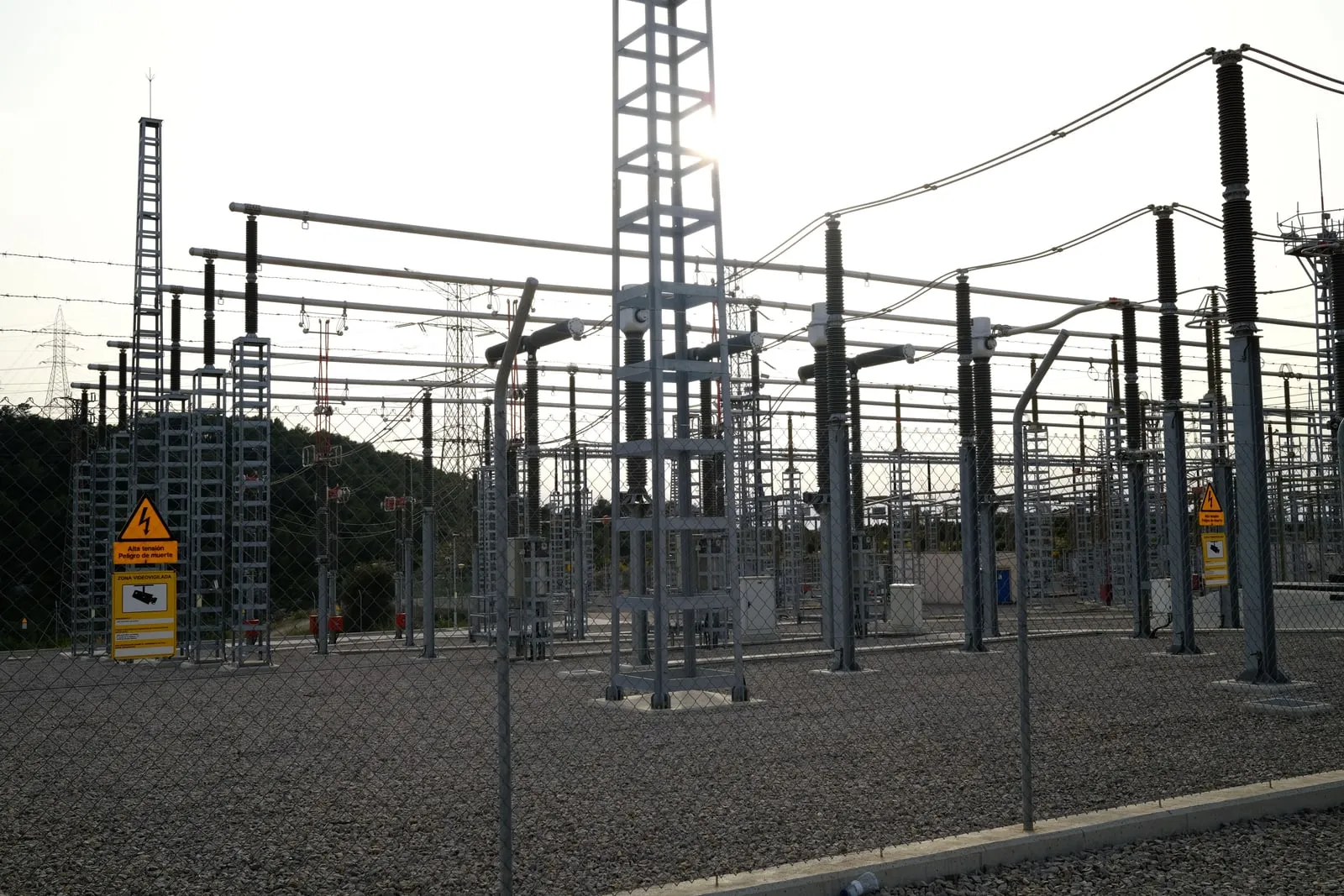
In that environment, a voluntary framework with no signatories and no metrics functions as a position paper. It tells legislators what the industry says it is already doing, and it tells them the industry would prefer they not legislate uniformly. Both of those are legitimate things for a trade body to say. Neither gives a county board a figure to check against next year.
What would make it enforceable
The commitments become testable the moment two things are added: a list of companies bound by them, and a number per commitment. ITI publishes neither, and nothing in the release suggests either is coming. Until then the useful comparison is against the frameworks that do carry numbers — the water and power disclosures some operators already publish per facility — and whether any of those get worse or better over the next year.