The request and the refusal
Samsung Electronics and SK hynix have turned down a request from Korea Electric Power Corp (KEPCO) to pay 25tn won ($18.7bn) upfront towards the power supply for South Korea’s planned semiconductor mega clusters, Reuters reported on 14 September, citing a document shared with the office of lawmaker Lee Chul-gyu.
KEPCO had asked Samsung for 20tn won and SK hynix for 5tn won, in each case about five years of electricity bills based on what the companies paid in 2025, The Korea Times reported, citing Yonhap.
According to the document, both companies concluded after internal reviews that the proposal would be difficult to accept, and said they were unsure such large upfront payments were necessary given uncertainty over the long-term durability of semiconductor demand. Samsung and SK hynix declined to comment further.
What KEPCO offered
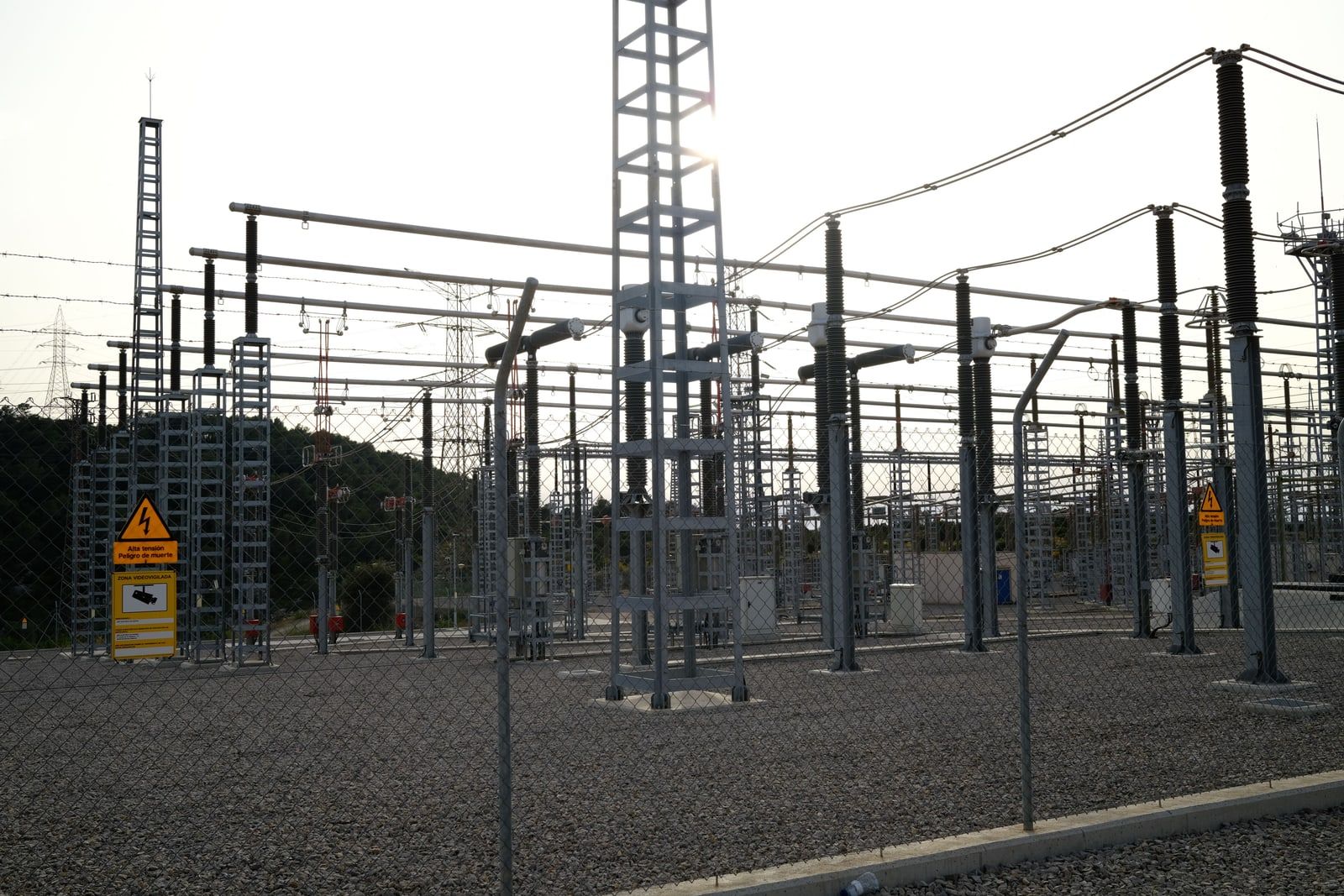
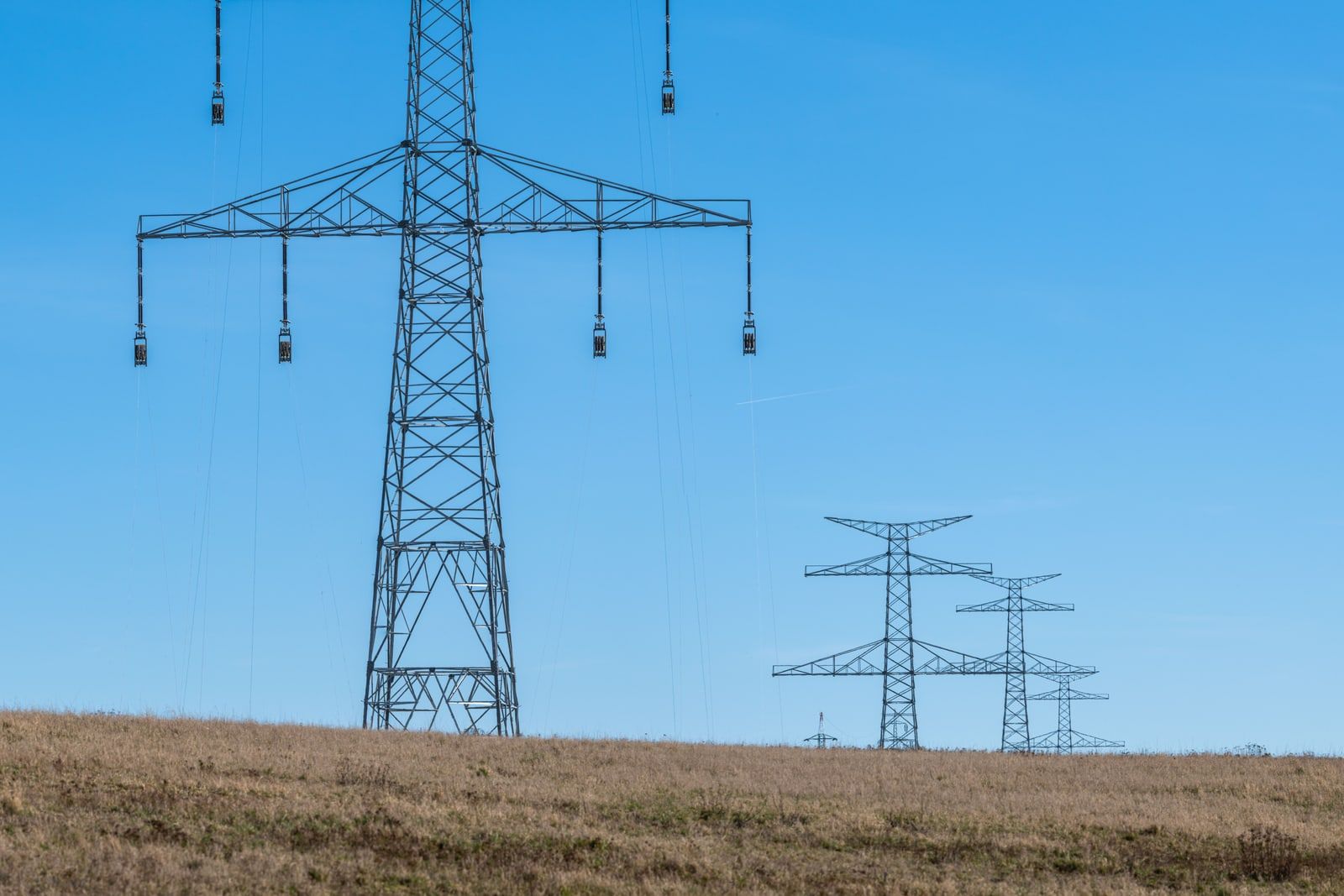
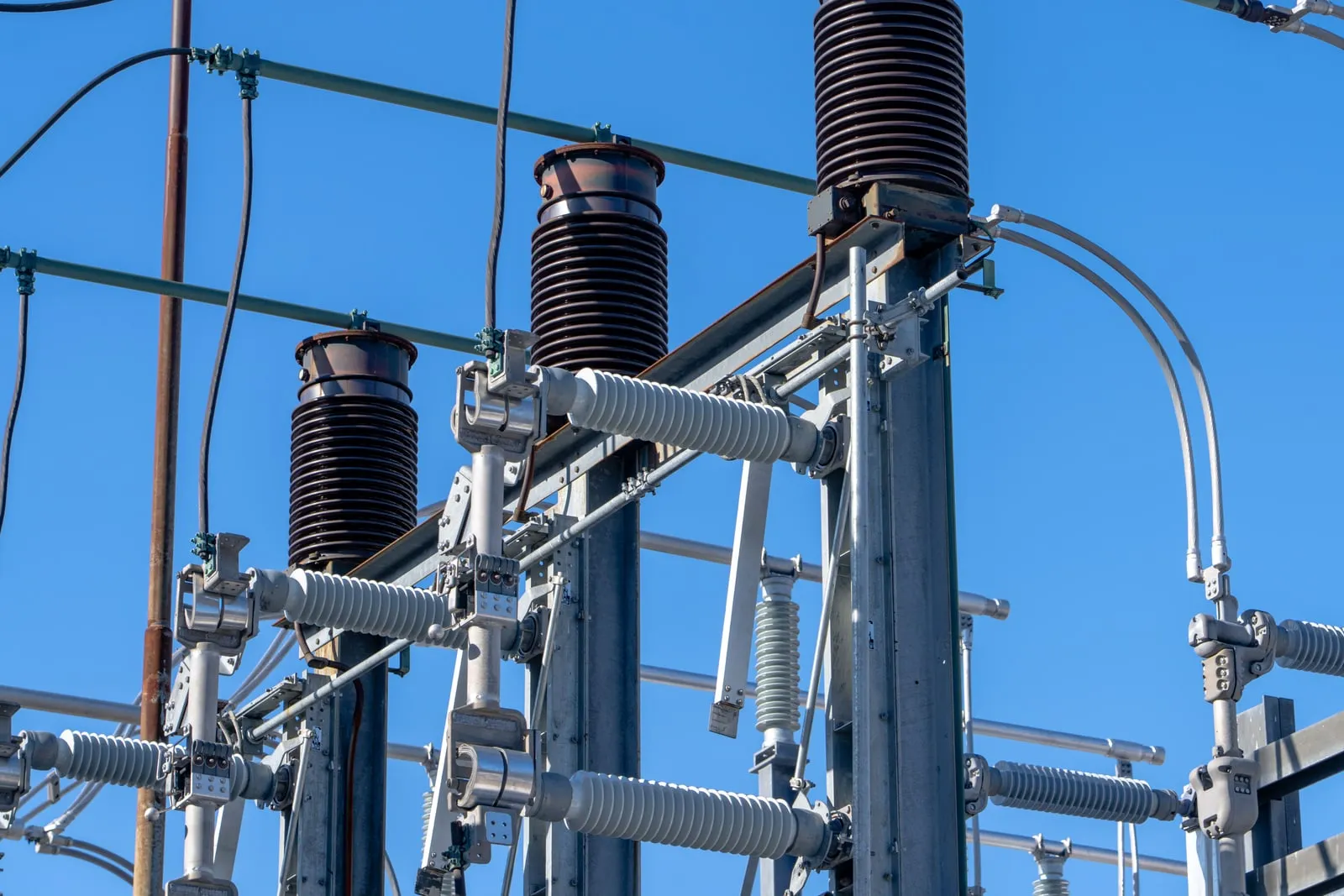
The money was meant to fund transmission lines and substations for new chip plants in the Yongin cluster south of Seoul and in the Honam region in the south-west. KEPCO offered interest above the yield on two-year government bonds, and would have paid the chipmakers back through deductions from their electricity bills every six months, Seoul Economic Daily reported.
In effect, the utility was asking its two largest industrial customers to lend it the money to connect their own factories.
A utility running out of room to borrow
KEPCO’s debt stood at 210.7tn won at the end of June, and it pays about 11.5bn won in interest every day. A temporary exemption that lets it issue bonds worth up to five times its capital and reserves, rather than twice, expires at the end of 2027, Seoul Economic Daily reported. That deadline is why the utility went looking for money from customers rather than bond markets.
South Korean newspaper Chosun Ilbo reported earlier this month that KEPCO was seeking the advance payments.
Caution from the companies gaining most
The refusal is notable for who made it. Both chipmakers’ earnings have improved on strong demand for memory, much of it driven by AI data centres, and yet neither was willing to commit five years of power costs in advance.
The Korea Times, citing Yonhap, said the decision was seen as reflecting concern about tying up so much money when it is uncertain whether the current AI boom in semiconductors will continue. That is a more cautious stance than the companies’ investment plans suggest, and it comes from the firms best placed to judge where memory demand is heading.
The dispute also shows where the physical constraint on AI hardware sits. Fabs can be planned in years, but grid connections depend on utilities with balance sheets of their own, and KEPCO’s is already stretched.
What to watch
How KEPCO pays for the Yongin and Honam grid build instead, and whether the timetable for bringing power to the new fabs slips as a result. Any move by the government to extend the utility’s bond-issuance exemption beyond 2027 would be the clearest sign of how the gap will be closed.