What was announced
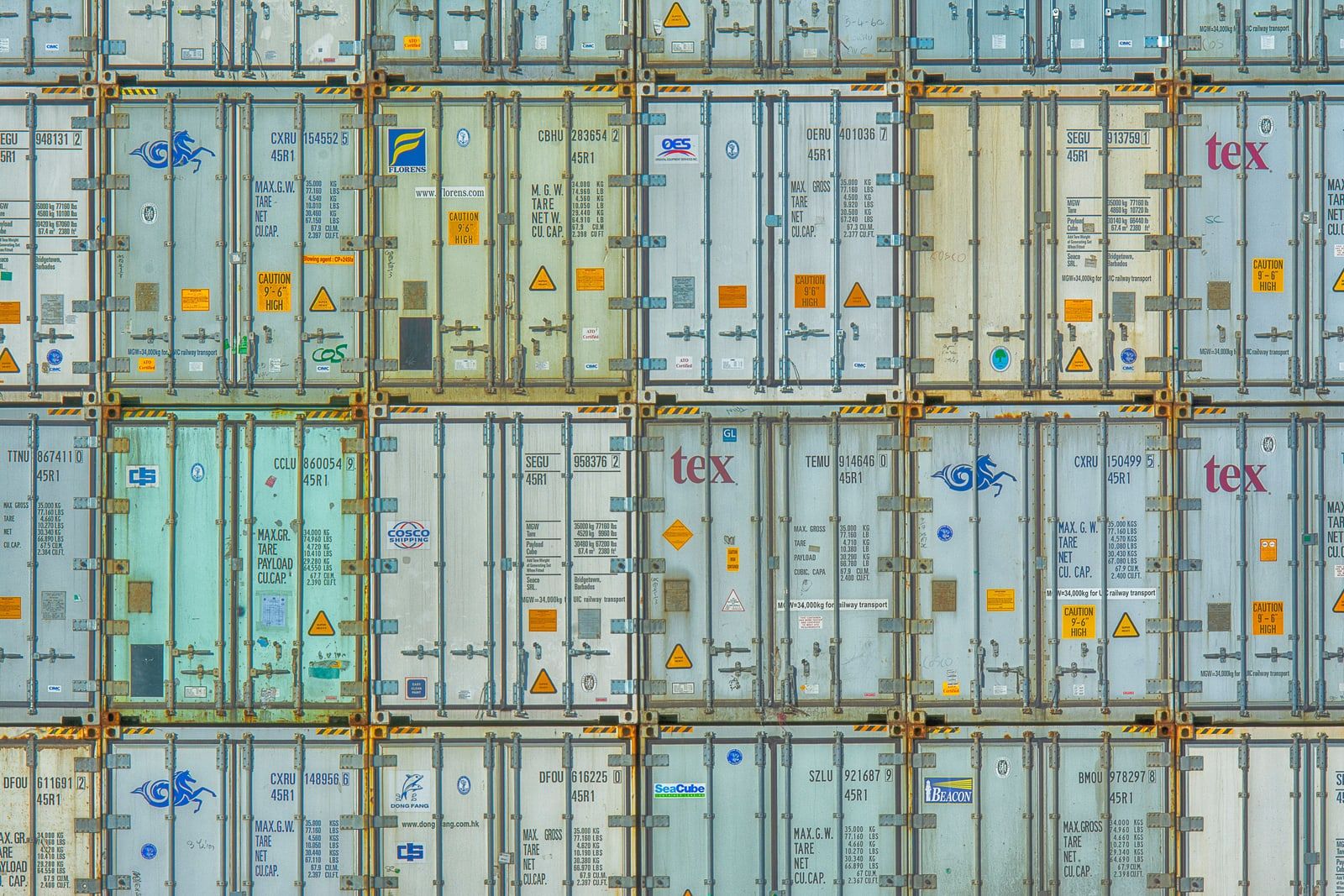
Nvidia introduced DSX POD at GTC Berlin on 21 October: a reference design for complete Vera Rubin AI factories that partners build inside modular containers and validate before shipping. The work that normally happens on site — rack-to-rack cabling, wiring, piping and functional testing — moves into the factory. The unit then arrives ready to connect to a prepared site’s power, cooling and networking.
Nvidia says this cuts deployment at a prepared site from six months to as little as 14 days. Seventeen partners plan to deliver the units worldwide in early 2027: Anduril, Armada, Bull, Crusoe, DayOne, Dell Technologies, Delta, Eaton, Foxconn’s Ingrasys, GIGABYTE, HPE, Lenovo, Pegatron, Quanta Cloud Technology, Schneider Electric, Vertiv and Wistron.
“An AI factory creates value when it starts producing tokens — not when construction is complete,” founder and chief executive Jensen Huang said in the release.
The conditions attached to the number
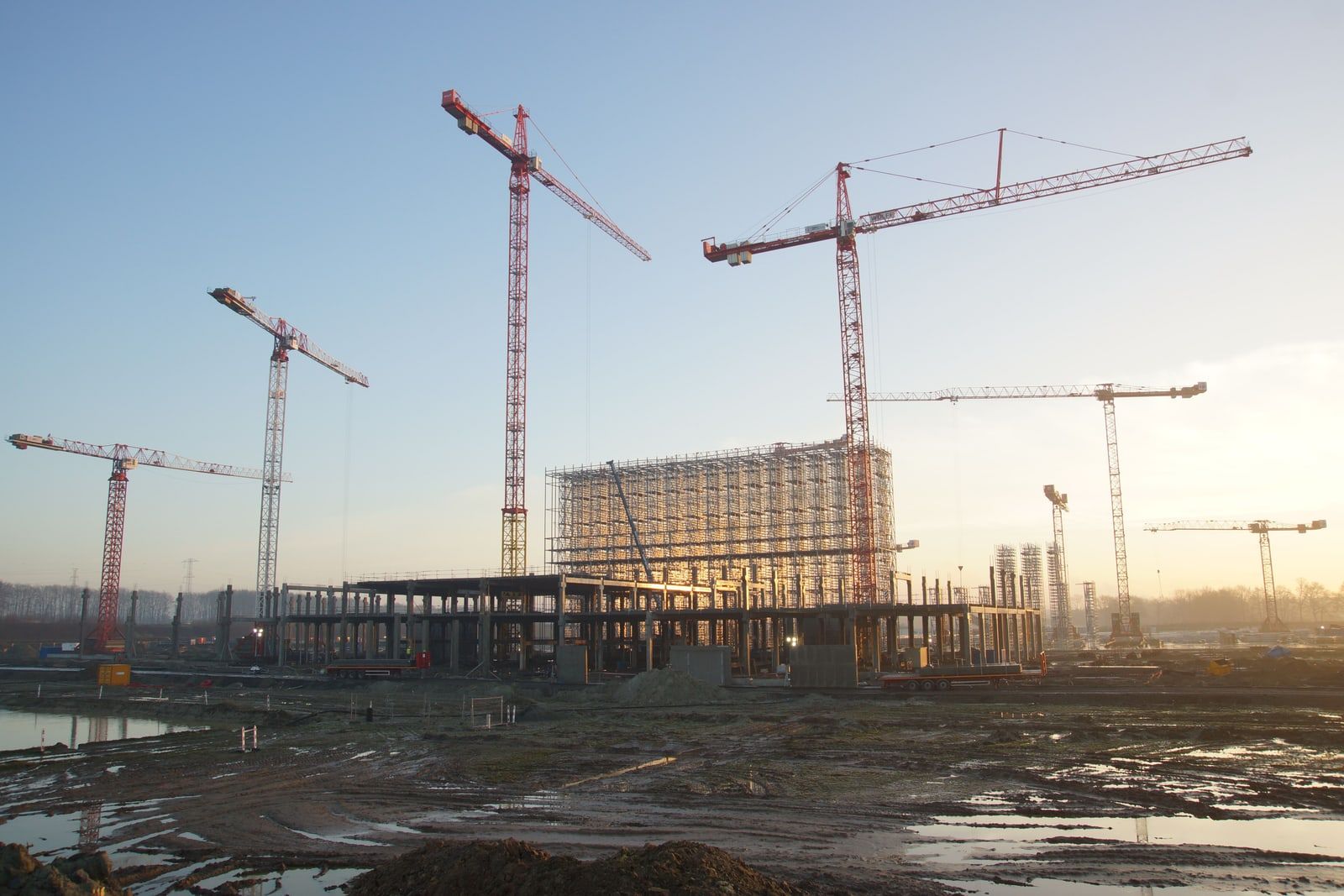
Two qualifiers sit inside the headline claim, and both are Nvidia’s own. The first is “as little as”, which makes 14 days a best case rather than a schedule. The second is “a prepared site”, which excludes everything that usually takes the time: grid connection, substation work, water, permits, the concrete.
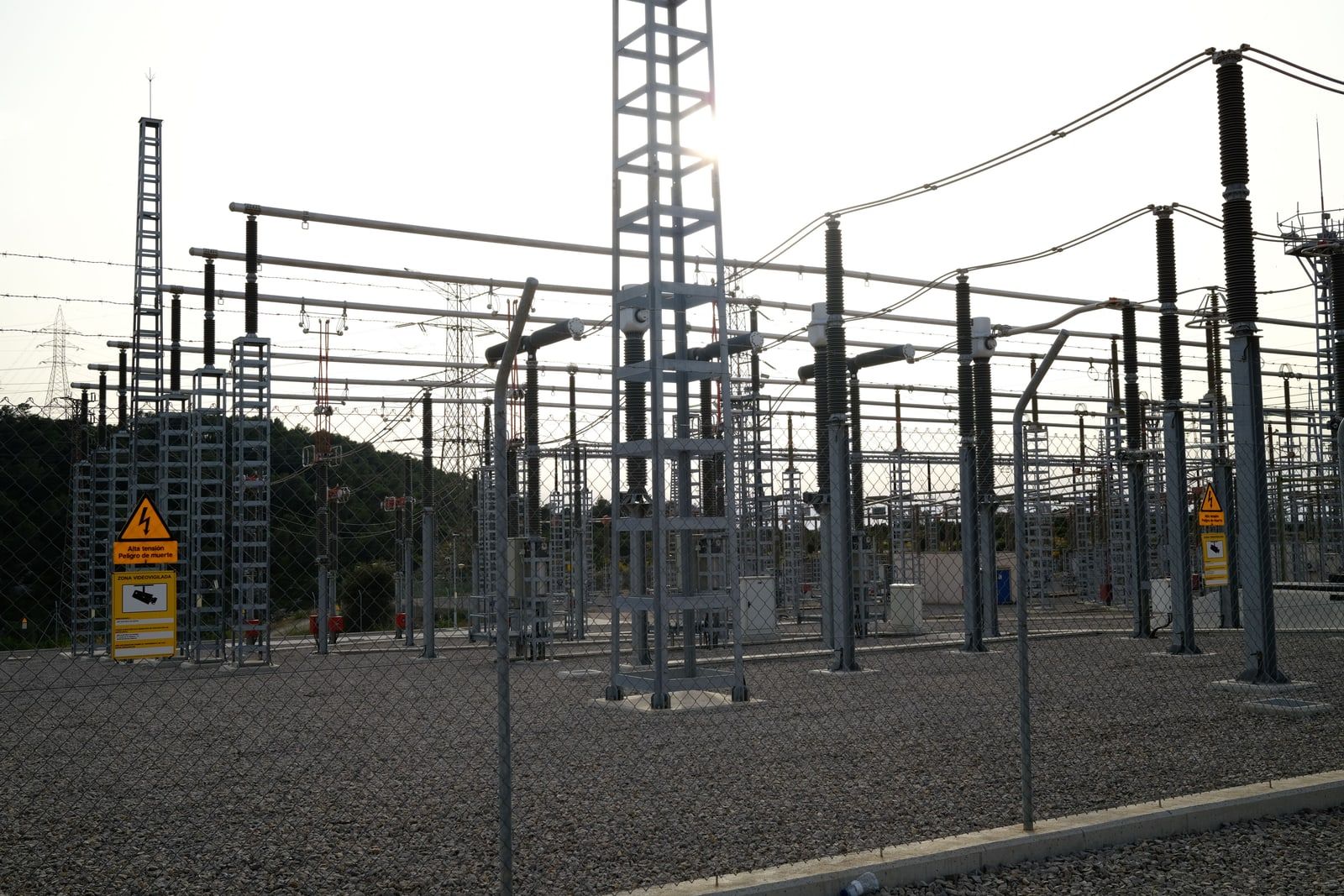
Nvidia’s own GTC Berlin coverage makes the point against itself. In its material on DSX, the company describes power as the biggest infrastructure bottleneck, citing more than $300 billion in equipment backlogged and over 200 gigawatts of projects waiting in United States interconnection queues. A container that goes live in 14 days does not shorten an interconnection queue. It moves the integration work off the critical path and leaves the critical path where it was.
What the release does not say
The announcement publishes no specifications. There is no rack count per pod, no power draw, no cooling capacity and no GPU count in the formal release, and no pricing. Secondary coverage has circulated figures — seven Vera Rubin racks per container, a weight around 28,000 kilograms, liquid cooling at coolant temperatures up to 45C — but those do not appear in Nvidia’s own press release, and a reference design without published power and cooling numbers is difficult for an operator to plan against.
Why containers, and why now
The reasoning is sound even if the headline is generous. Integration is repetitive work that benefits from being done once, in a controlled environment, by people who do it every day. Shipping a validated unit rather than a pallet of parts removes a class of commissioning faults, and it lets a site bring capacity online in increments rather than waiting for a whole hall.
It also suits where the demand is. Nvidia announced DSX POD at a European event, framed around accelerating Europe’s infrastructure deployment, in a region where site preparation and grid connection are the binding constraints rather than the availability of racks.
The number to watch is not 14 days. It is how many of the seventeen partners actually ship in early 2027, and what the first operators report about the gap between a pod arriving and a pod producing tokens — which is, by Huang’s own definition, the only moment that counts.