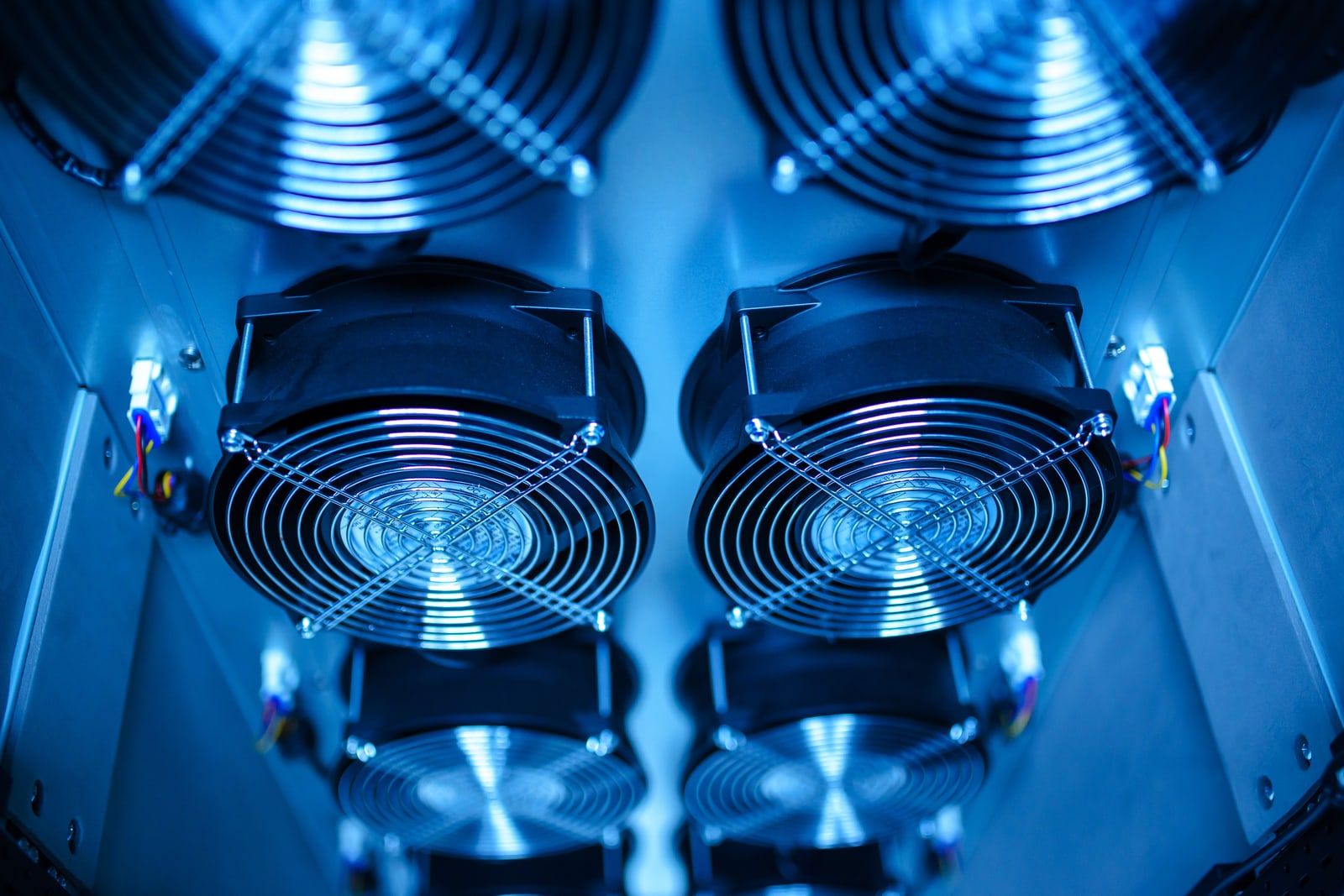
One view of the machine
Nvidia has launched Minerva, an AIOps platform for what the company calls AI factories: the very large GPU clusters that train and serve frontier models. It went live on Thursday, timed to GTC Berlin.
The pitch is consolidation. Minerva collects signals from Nvidia GPUs, networking, storage, schedulers and the workloads themselves, so the networking team, the compute team, the site reliability engineers and the machine-learning engineers all look at the same picture. It builds a dynamic knowledge graph of GPUs, SuperNICs, switches, cables and the jobs running across them, which is what lets an operator trace a slow training run back to the component responsible for it.
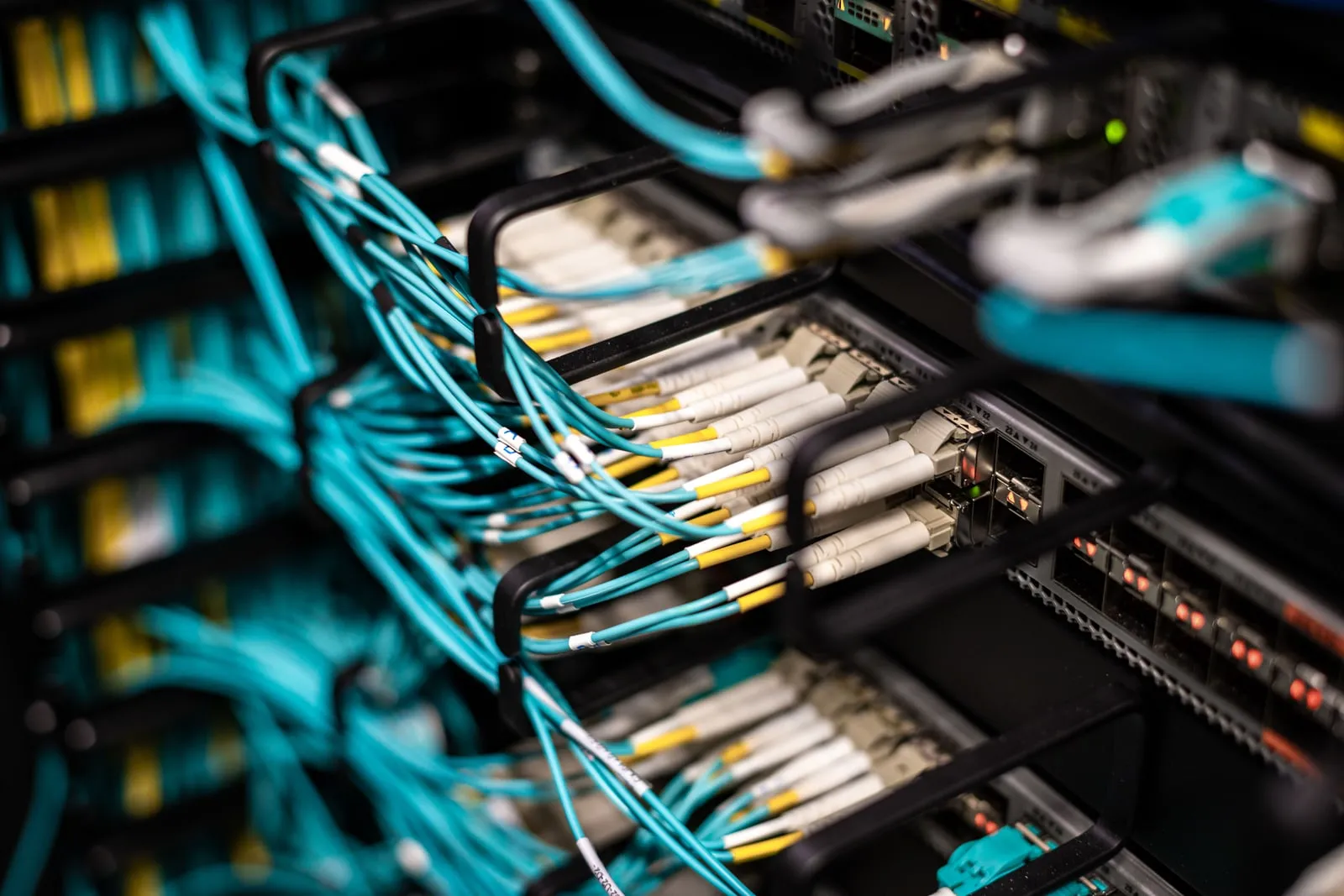
What it does with the data
On top of that graph, Nvidia runs supervised and unsupervised machine learning: learning what normal looks like, flagging anomalies it has not seen before, predicting failures that are developing, and correlating related events using the factory’s own topology. Instead of a wall of isolated alerts, the platform groups an event storm into one incident with a likely root cause.
There is also a built-in assistant with a natural-language interface grounded in live telemetry, which suggests remediation. Fixes can be applied by hand or automated through infrastructure APIs. The platform connects to external agentic AI tools as well.
Nvidia frames all of this around a metric it calls AI factory yield — the useful work the infrastructure produces, measured through GPU hours, goodput, cluster uptime and token production.
The numbers in the post are about inputs
Nvidia says Minerva analyses billions of data points an hour and is designed for factories with hundreds of thousands of GPUs. Those are the only figures the launch post carries.
What it does not carry is a result. There is no percentage improvement in uptime, no reduction in mean time to repair, no measured change in goodput at any named site. The benefits are described qualitatively: longer time between interruptions, faster time to repair, more insight through filtering. For a product whose entire value proposition is that it finds the one bad component slowing a cluster down, the absence of a single before-and-after figure is the conspicuous part of the announcement.
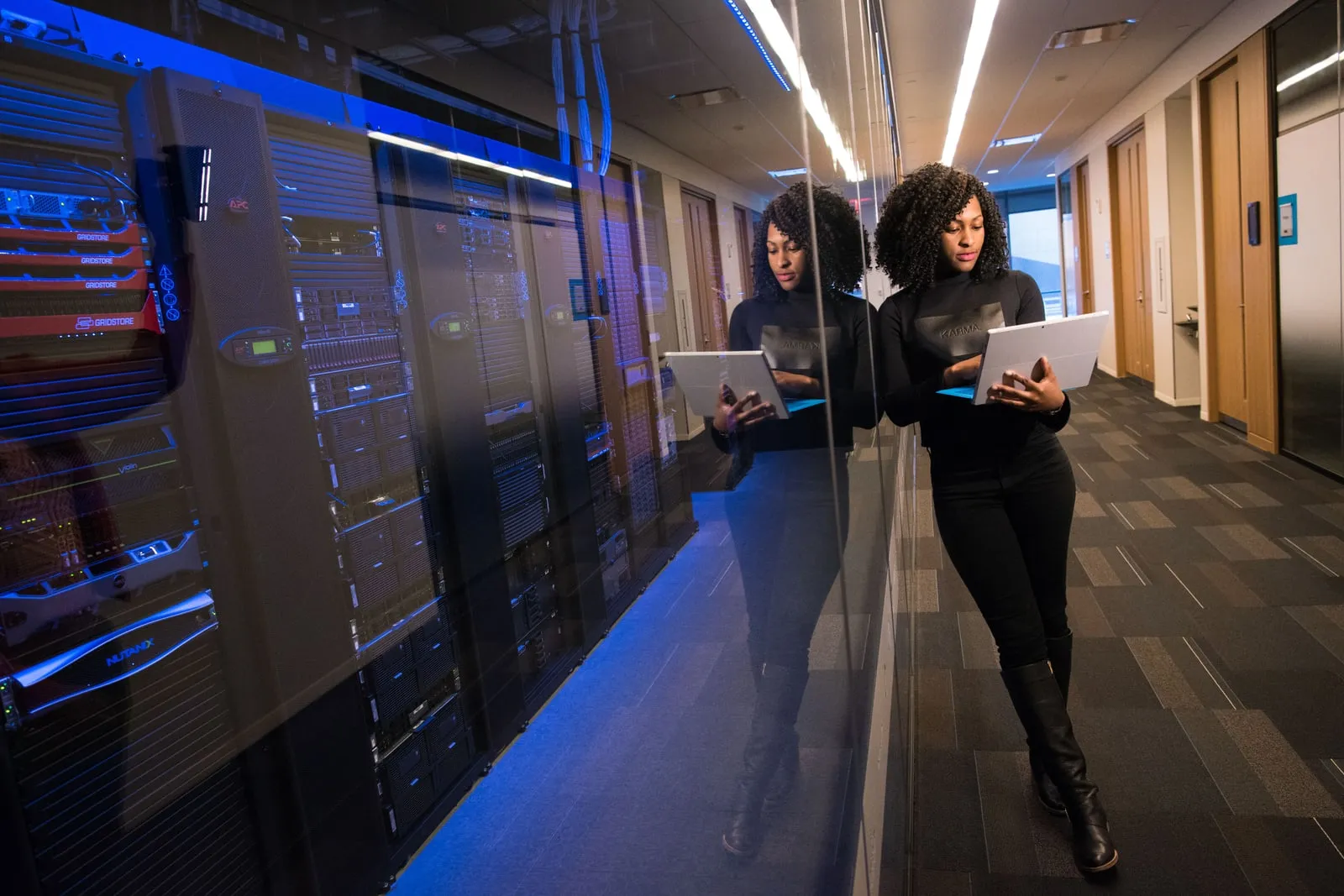
Who is on the list
IREN is named as using Minerva now. Denis Skrinnikoff, the company’s chief technology officer, said it gives the operations team one view across the network, the GPUs and the jobs running on them, and lets them spend more time on proactive maintenance than on troubleshooting.
The companies Nvidia says plan to deploy it are Aolani, Bitdeer AI, IBM, Jio, Lambda, Quake AI and Tesla. Dell Technologies, Lenovo and Supermicro will offer it in their AI factory portfolios. Tesla’s inclusion is the name that stands out, given the scale of the clusters it runs for self-driving training.
Nvidia did not state pricing. What to watch is whether any of the named operators publishes a yield figure before and after — the one piece of evidence the launch did not supply.