The round
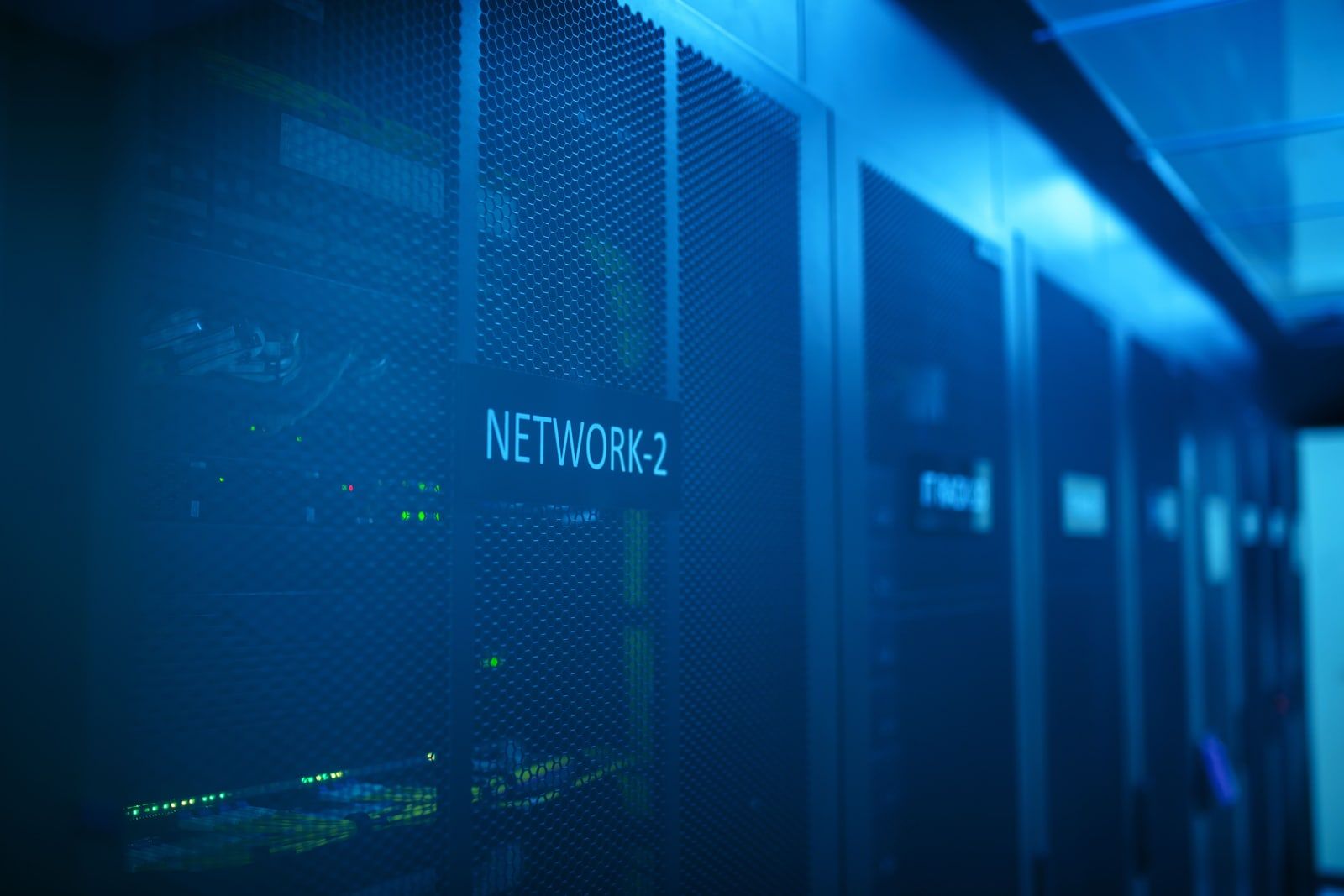
Lambda is raising up to $4 billion at a pre-money valuation of $14.5 billion, TechCrunch reported on 6 October, citing the Wall Street Journal. Blackstone and Coatue Management are leading it, and it is expected to be the company’s last private round before a public listing.
A letter to limited partners puts the target for that listing at 2027, contingent on execution and market conditions. Lambda rents GPU and AI compute capacity, one of the group of Nvidia-backed providers — CoreWeave and Nebius among them — that have been moving towards public markets.
The number that moved
The striking figure is the order backlog. It stood at $15 billion in June. By September it was $50 billion.
About $35 billion of that increase comes from a single Anthropic contract signed in late August. That is roughly 70% of the total book resting on one customer — a concentration that any prospectus will have to address, and one that cuts both ways. Anthropic’s compute commitments are large and long-dated, which is what makes the backlog bankable; they are also spread across several providers, which is what makes a single contract an uncomfortable share of one supplier’s business.

Why the equity, and why now
Lambda closed $1 billion in senior secured fixed-rate financing earlier this autumn, borrowing against the chips themselves. That is the standard shape of the sector: data centre build-outs lean on debt, and the debt is collateralised by hardware whose resale value is exactly what lenders have started asking harder questions about.
Equity raised before a listing does something debt does not. It arrives without covenants, it does not need the chips to hold their value, and it lands before the company has to answer to public-market investors about customer concentration, depreciation schedules and contract duration.
The context around it
This is the third time in two weeks that the financing structure underneath AI compute has surfaced as the story rather than the capacity itself. Nvidia has approached insurers about covering lenders when chips pledged as collateral cannot be resold for the loan value. A rating agency has given investment-grade treatment to GPU-backed paper. Amazon has explored selling and leasing back $8 billion of its own Nvidia chips.
Each of those is a different way of answering the same question: what is a depreciating accelerator worth to someone who is not the company that bought it?
What to watch
The figures here come from a Wall Street Journal report and from a letter to limited partners, not from Lambda. Nothing is confirmed by the company. The things worth watching are whether the round closes at the reported size, whether the 2027 listing survives the market, and whether Lambda discloses the Anthropic contract’s duration and termination terms when it files. A $35 billion commitment is only worth $35 billion for as long as it runs.