Thousands of GPUs, sold and rented back
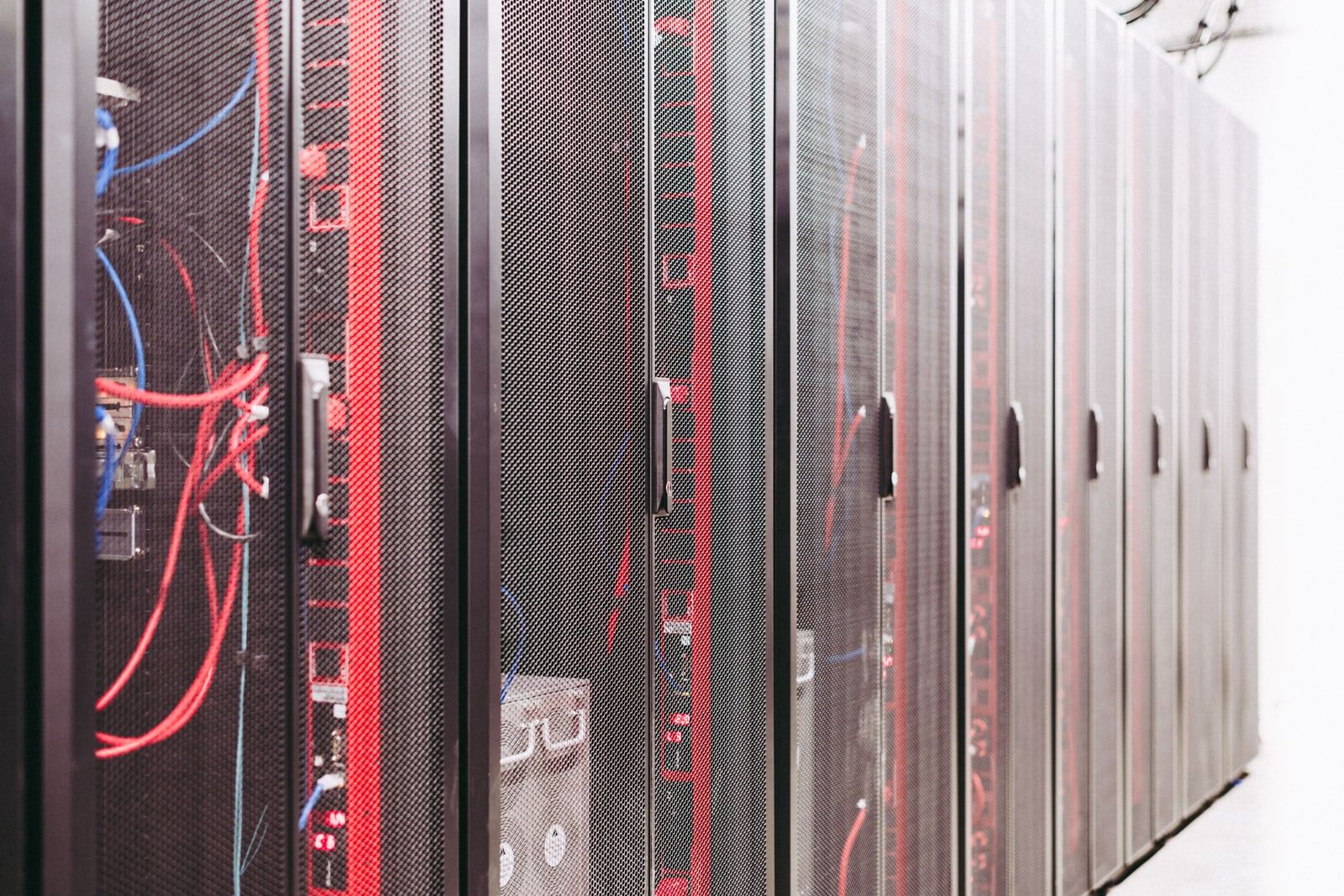
Amazon has been talking to investors about selling roughly $8bn of Nvidia Grace Blackwell chips into a special-purpose vehicle and then leasing them back, the Financial Times reported on 2 October. The chips stay exactly where they are — racked in AWS data centres — and only the ownership moves.
The structure is a sale-and-leaseback of the kind airlines have used on aircraft for decades, applied to accelerators. According to the FT’s account, the vehicle would issue debt to outside investors, and Amazon would offer an equity stake of up to 10% in it while holding none of the entity itself. The chips in question are thousands of units spread across more than a dozen US data centres in five states, among them Nevada and Virginia.
Amazon declined to comment. The talks are described as ongoing and subject to change.
What the buyers are being sold
The pitch to investors rests on Amazon’s credit, not on the chips. Investors expect the vehicle’s debt to carry an investment-grade rating tied to Amazon’s double-A rating, which is what makes it buyable by insurers and pension funds — the institutions that cannot hold speculative paper but have enormous amounts of money to place.
That is the same move Lambda made last week, when it closed $1bn of senior secured financing backed by GPUs and sold to insurers. The difference is scale and counterparty: Lambda is a GPU cloud borrowing against its hardware, while Amazon is one of the most creditworthy companies in the world moving hardware off its own balance sheet.
The risk the buyers take is residual value. Grace Blackwell is Nvidia’s current generation; the FT’s account notes it is expected to stay useful for at least five years before Vera Rubin becomes the standard part. A lease that runs to the end of that window is one thing. What the chips are worth on the day it ends is the open question, and it is the same question Nvidia was reported to be asking insurers to underwrite for lenders last week.
Why a company with $220bn of capex needs this
Amazon does not need the money. Its reported capital expenditure runs around $220bn a year, the bulk of it AWS infrastructure, and it can borrow at almost any size it wants.

What it is buying is balance-sheet treatment. An asset sold into a vehicle Amazon does not own is not Amazon’s asset, and the lease payments are an operating cost rather than $8bn of capitalised hardware and the depreciation that follows it. For a company whose capex line is now the single most scrutinised number in its results, moving even a fraction of the AI build off the balance sheet changes how the spending reads.
It also marks a shift in who is funding the build-out. For three years the hyperscalers paid for AI infrastructure out of cash flow, which was the strongest argument that this cycle was not debt-driven. Private credit, insurance capital and now off-balance-sheet vehicles are steadily taking over that financing, and the companies doing it are the ones with the least need to.
What to watch
Whether the deal closes at all, and on what rating. An investment-grade mark on a vehicle whose only assets are depreciating accelerators would be a precedent the rest of the sector would copy within months. If the rating agencies balk, or the insurers do, the structure gets considerably more expensive and the signal reverses. Amazon reports third-quarter results later this month, where the capex guidance will be read against this.