A 53% jump
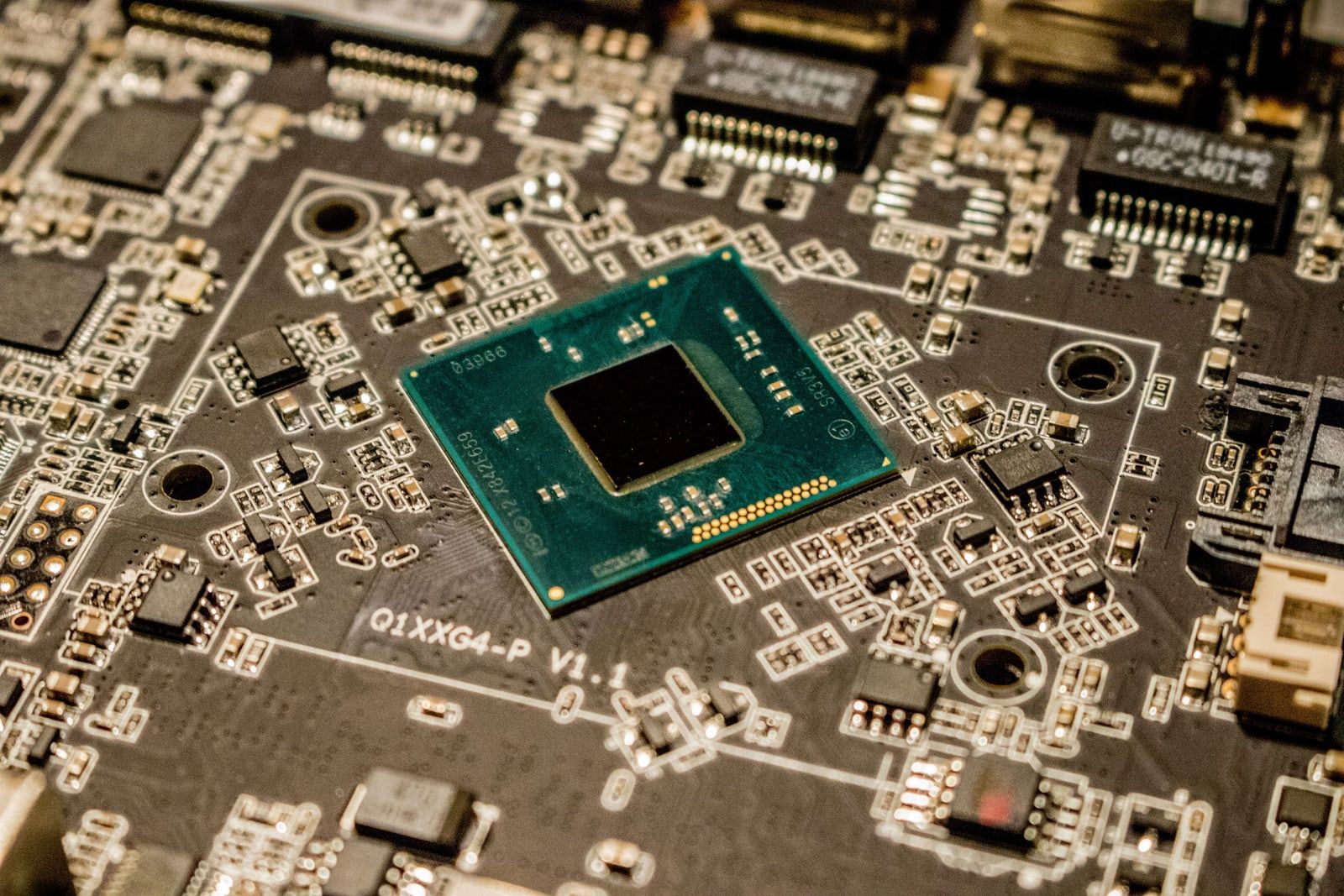
TSMC’s revenue for August 2026 was about NT$514.81 billion, up 10.1% from July and 53.3% from August 2025, the Taiwanese chipmaker said on 10 September. Revenue for the first eight months of the year was NT$3,386.87 billion, up 39.3% on the same period of 2025.
That is roughly US$16.3 billion for the month, according to ANI’s report in The Tribune, which gave July revenue as NT$467.58 billion, 44.7% higher than a year earlier. Year-on-year growth therefore accelerated from July to August.
TSMC’s monthly release gives the figures without explanation. The Tribune attributed the growth to demand for advanced chips for artificial intelligence and high-performance computing.
Two-thirds of the quarter already in
The monthly numbers can be read against the guidance TSMC gave in July. In its second-quarter results on 16 July, TSMC said it expected third-quarter revenue of between US$44.6 billion and US$45.8 billion, based on an exchange rate of 32 New Taiwan dollars to the US dollar. It guided to a gross margin of 65% to 67% and an operating margin of 56% to 58%.
July and August together come to NT$982.39 billion. At TSMC’s assumed exchange rate that is about US$30.7 billion, roughly two-thirds of the midpoint of the guidance range.
To land inside the range at that rate, September revenue would need to be between about NT$445 billion and NT$483 billion. Both July and August were above that band, so on current trends the question is less whether TSMC meets its guidance than by how much it might exceed it.
The actual exchange rate will move the dollar figure. ANI’s conversion of August revenue implies a stronger Taiwan dollar than TSMC assumed, which would lift reported dollar revenue for the same sales in local currency.
Where the revenue comes from
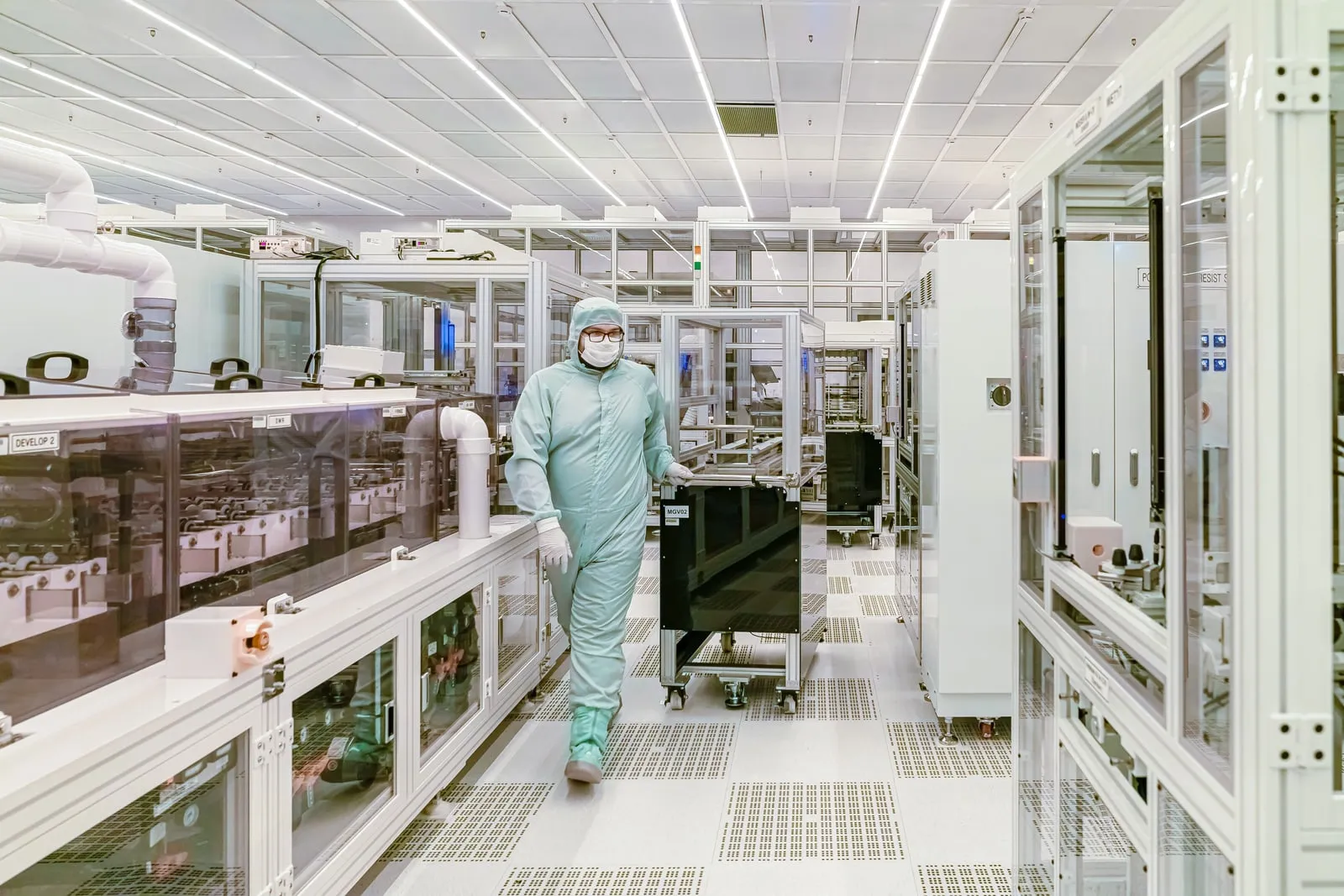
TSMC’s most advanced processes dominate its business. In the second quarter, 3-nanometre technology accounted for 30% of wafer revenue, and 7-nanometre and more advanced technologies for 77%, according to the company’s results. Second-quarter revenue was NT$1,270.38 billion, or US$40.20 billion.
Those leading-edge processes are where AI accelerators and data centre processors are made. That is why TSMC’s monthly figures, published around the tenth of each month, are one of the earliest public readings of how much the industry is spending on AI hardware.
The data also covers only one link in the chain. Revenue at the foundry reflects wafers shipped to chip designers, not accelerators installed in data centres, so it tends to move ahead of the capacity announcements that follow.
What to watch
TSMC’s September revenue will show whether the quarter closes above the top of its guidance. Its third-quarter results will then give the company’s first detailed view of how it expects AI demand to carry into 2027, and whether its margins stay inside the 65% to 67% range it forecast.