Substrates, packaging and a date in 2029
Nvidia has signed a fresh round of long-term supply agreements covering the two parts of its production chain that constrain everything else: package substrates and advanced packaging. The announcement on 17 November names Amkor, Foxconn, Kinsus, Samsung Electro-Mechanics, SPIL and TSMC.
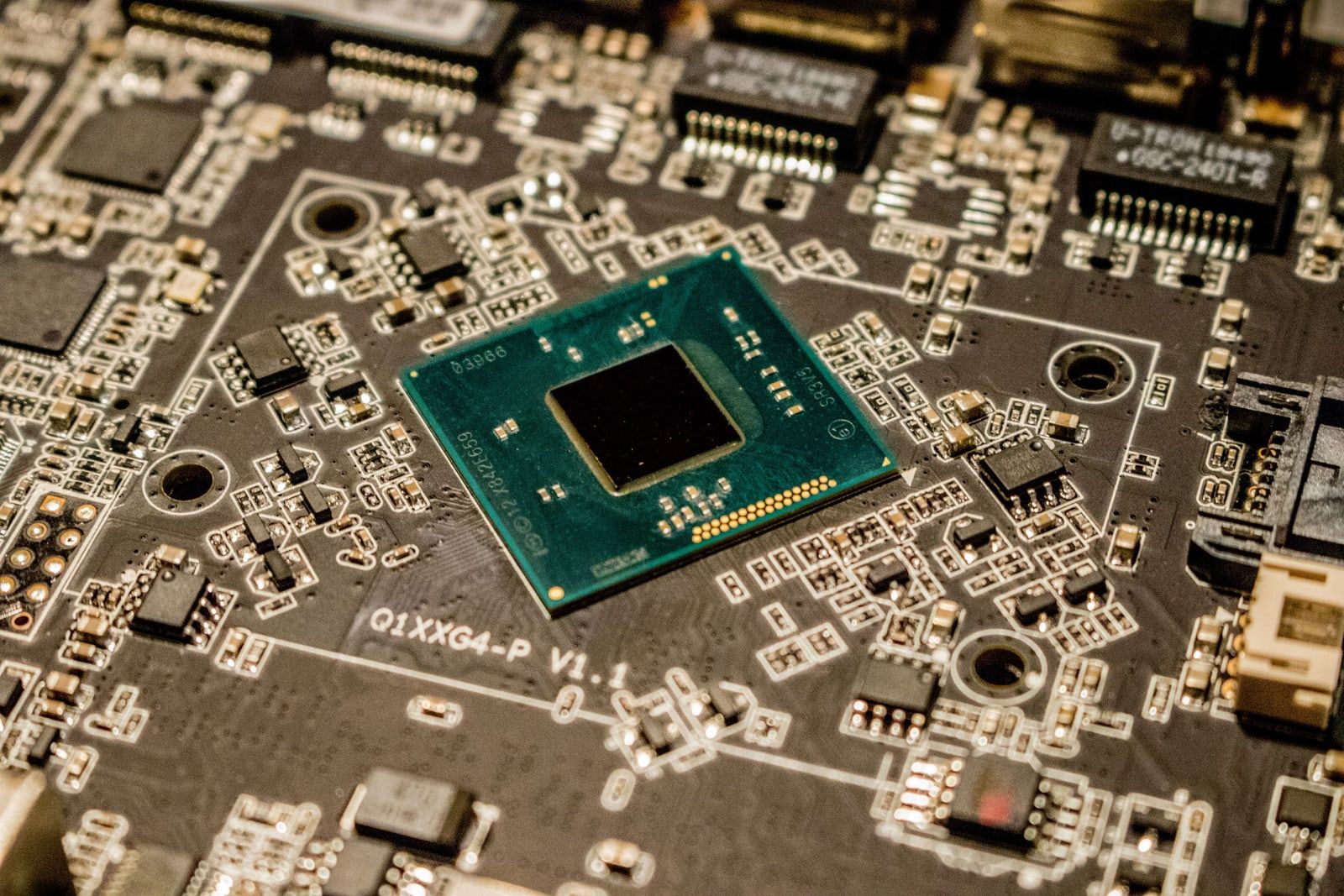
The clearest number is Kinsus. Under a new agreement, the Taiwanese supplier plans to expand the advanced ABF package substrate capacity it dedicates to Nvidia by more than 3.5 times current levels, from its Youth campus in Taoyuan. Production is expected to begin in the second half of 2027, with the additional capacity targeted for the third quarter of 2028.
Where the money is going
Nvidia is funding SPIL’s expansion of advanced packaging in Taiwan with what the company describes as multibillion-dollar funding, under a multiyear agreement that increases SPIL’s contracted capacity dedicated to Nvidia by mid-2029. The new lines cover bumping, interposer wafer fabrication, assembly and testing.
For Amkor, Nvidia is supporting expansions in Arizona and South Korea through multiyear agreements announced in July and October 2026 totalling nearly $3 billion, including prepayments to help Amkor scale. Samsung Electro-Mechanics has amended an existing substrate supply agreement to improve capability at its plants in Sejong and Busan rather than build new ones.
“Our supply chain is a strategic advantage,” said Debora Shoquist, Nvidia’s executive vice president of operations.
The dates are the point
Read as a timetable rather than a press release, this is a company buying capacity it cannot use for two to four years. Kinsus production starts in late 2027. The extra Kinsus capacity lands in the third quarter of 2028. SPIL’s contracted capacity rises by the middle of 2029.
Those dates sit against a product cycle already in motion: the third quarter was the first in which Nvidia’s Vera Rubin NVL72 systems and Vera CPUs shipped in volume, using TSMC’s 5nm and 3nm processes and CoWoS advanced packaging.
Built on October’s commitments
This round extends a set announced in October with Amkor, IBIDEN, King Yuan Electronics, Samsung Electro-Mechanics, SPIL and Unimicron. Those plans included an aggregate 2.5x increase in substrate capacity over three years, a doubling of semiconductor testing capacity from 2026 to 2027, and a 15x increase in SPIL’s optical-engine capacity by mid-2027, with the aim of doubling again by the end of 2028.
Foxconn’s chairman, Young Liu, said the manufacturer is “well-positioned to support the volume ramp-up of next-generation AI infrastructure” using its production network across Asia, North America and Europe. What none of the partners has said is what happens to the committed capacity if demand turns before 2029.