A 1987 thesis becomes a laboratory
Sakana AI has appointed Jürgen Schmidhuber as chief scientific advisor and put him at the head of a newly formed Recursive Self-Improvement Lab in Tokyo, the company announced on Thursday. He keeps his current positions and will travel to Japan regularly rather than relocating.
The lab’s stated goal is to set off what Sakana calls a compounding cycle of scientific discovery aimed at improving machine intelligence — systems that research, rewrite their own code and act on the physical world. That is a direct restatement of the subject of Schmidhuber’s 1987 diploma thesis, which treated meta-learning and recursive self-improvement formally long before either had a market.
Sakana describes him as the father of modern AI and credits him with work on world models in 1990 and deep learning techniques in 1991. He is also a co-creator of the long short-term memory network.
What the lab is actually for
Two lines of work sit under it. One is software agents that improve their own code. The other is what Sakana calls agent-native world models: systems that predict how an action changes an environment, rather than predicting the next token of a description of it.

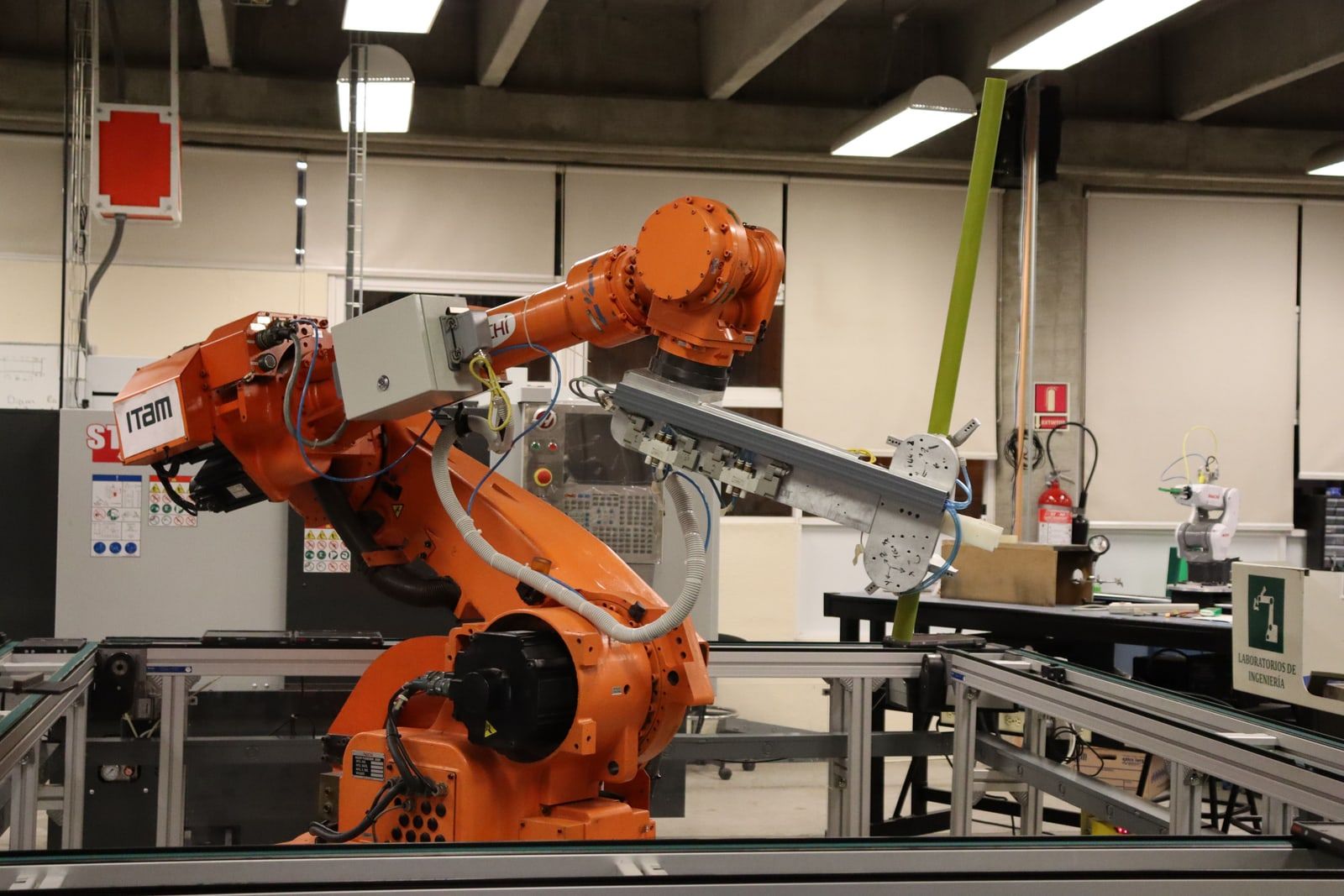
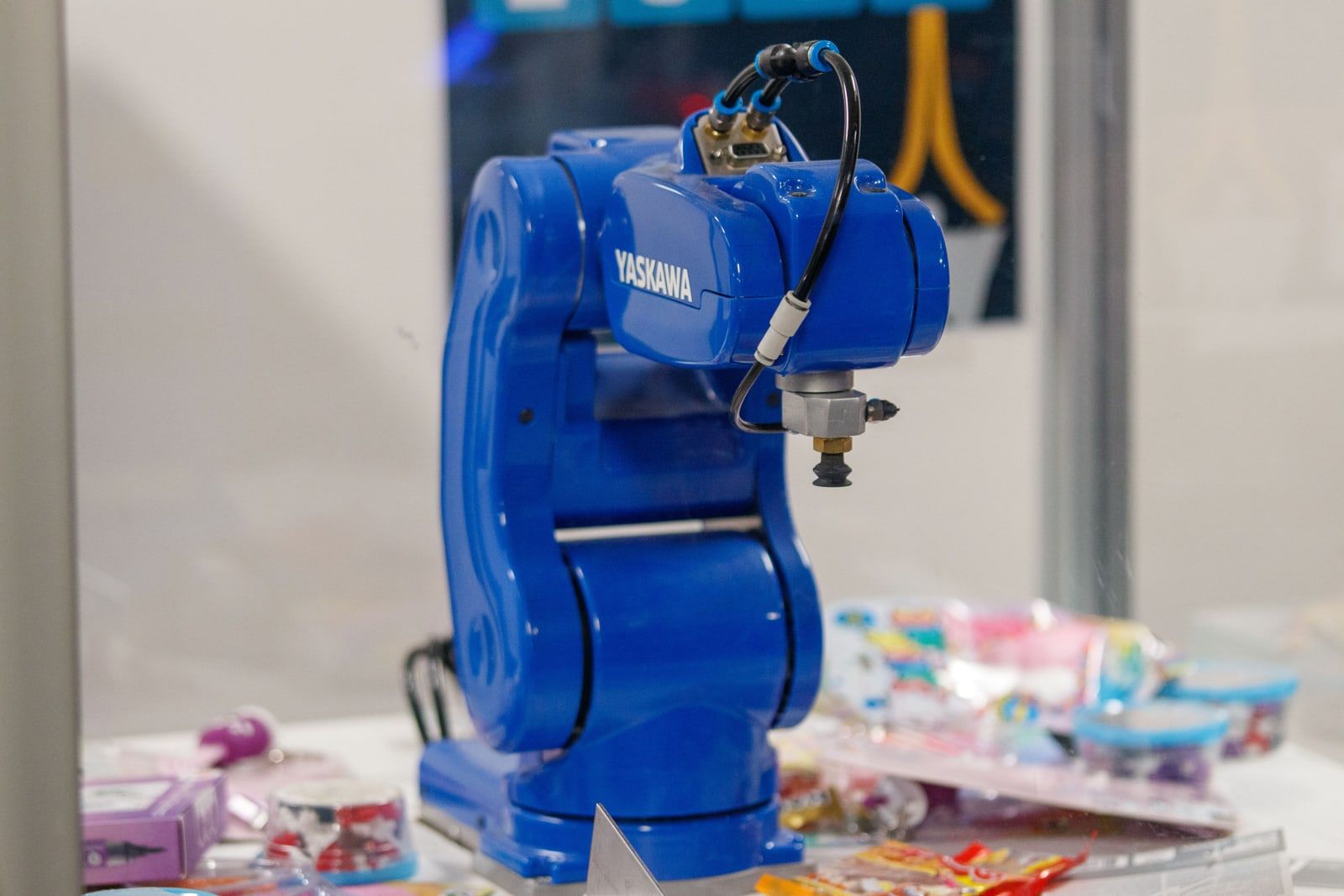
The target is physical. Sakana says the next era of AI “will move beyond digital interfaces and directly into the physical world”, and names robotics and manufacturing as the applications. Schmidhuber’s own statement puts Japan at the centre of it: “Japan is a birthplace of foundational neural network architectures and advanced robotics. It is a privilege to join Sakana AI to help bridge these two worlds.”
Where it builds from
The lab is not starting from nothing. Sakana already ships two systems that point this way: the Darwin Gödel Machine, which generates and tests changes to its own code, and The AI Scientist, which automates stretches of the research process. The company is hiring technical staff for the Tokyo lab.

Sakana AI was founded in July 2023 by David Ha, Llion Jones and Ren Ito, and is based in Tokyo. It announced a Frontier Intelligence Group less than a week before this appointment, so the research organisation is being rebuilt quickly.
What to watch
An advisory title is not a research result. The things to look for are whether the RSI Lab publishes, whether its self-modifying agents are evaluated by anyone outside Sakana, and whether the world-model work reaches a real robot rather than a simulator. Recursive self-improvement has been a theoretical subject for four decades; the interesting question is whether a company can make it an engineering one.