A moratorium, not a guideline
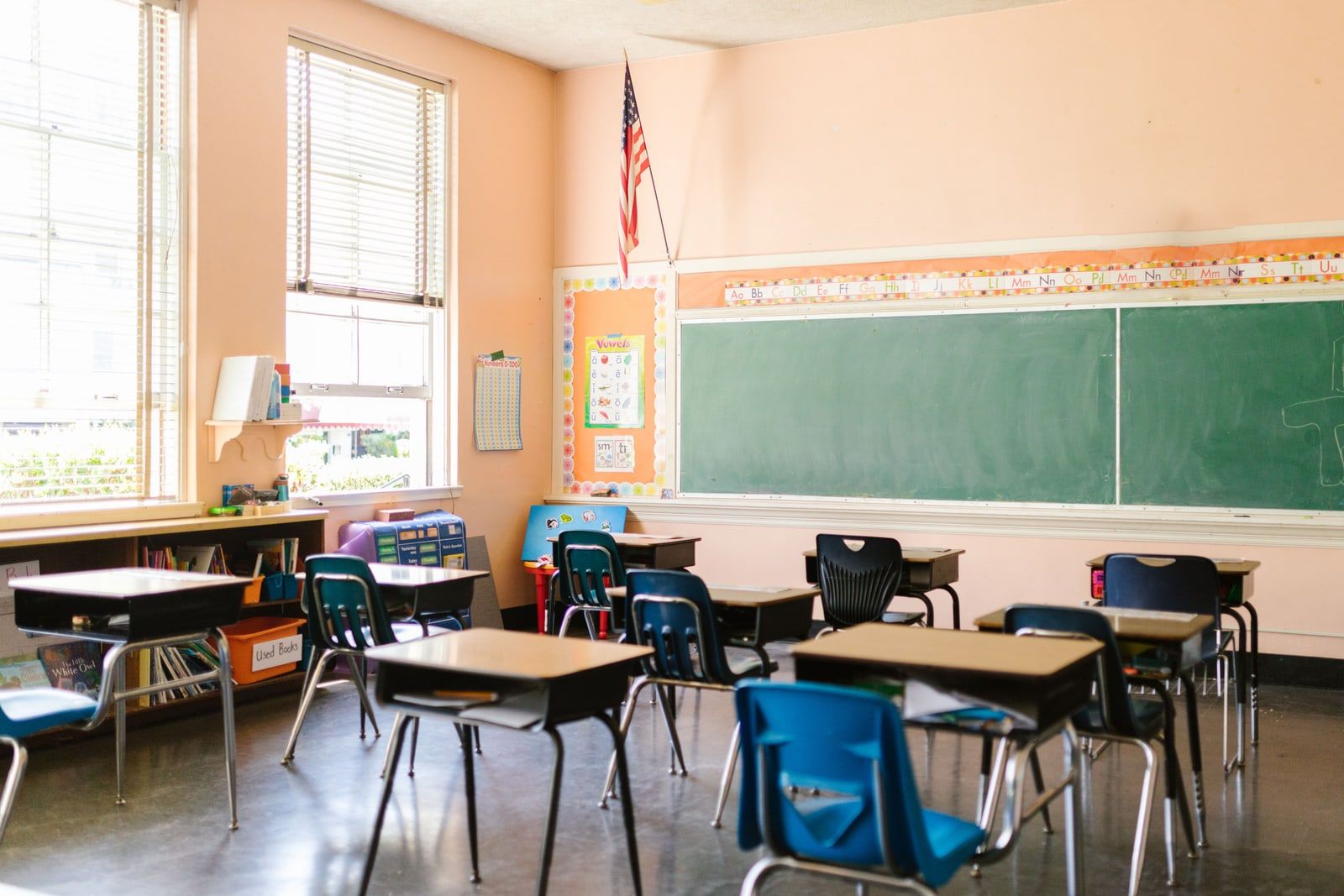
New York City’s public schools have imposed a one-year ban on student-facing generative AI from 2-K through eighth grade, covering roughly 600,000 children — about two-thirds of the district’s enrolment. Mayor Zohran Mamdani and Schools Chancellor Kamar Samuels announced the policy on 2 September, describing it as the broadest such prohibition in the country. It applies for the 2026-2027 school year.
The ban covers all software that puts a generative model in front of a student, including chatbots and AI tutoring programs. Companion chatbots — the products designed to hold an ongoing personal relationship with a user — are barred in every grade, high school included.
Screens as well as models
The same policy sets screen time limits. Pre-K through second grade lose individual devices altogether, though interactive whiteboards remain. Third through fifth grade are capped at 30 minutes of screen time a day, and sixth through eighth at 45 minutes.
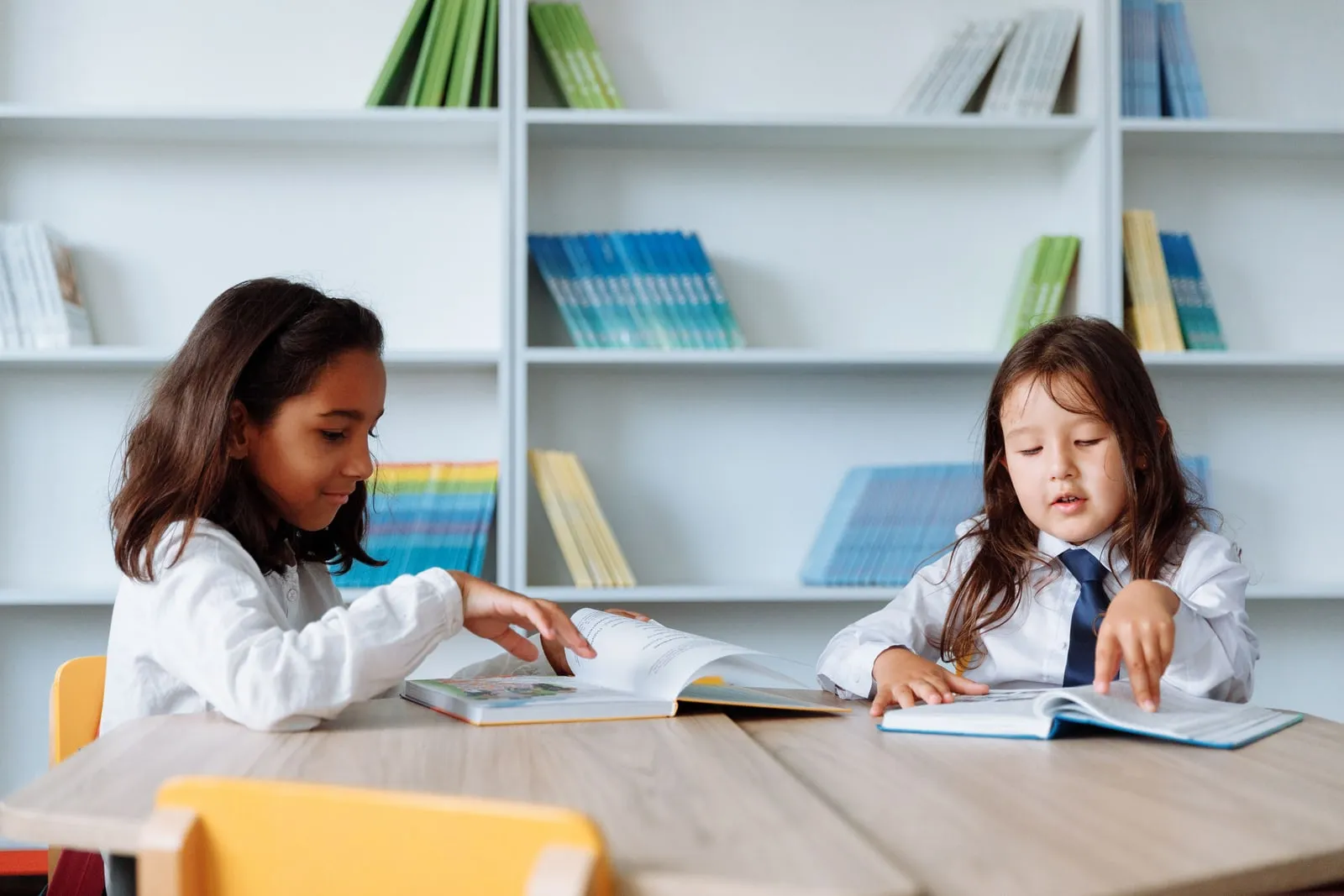
The department’s stated reasoning is developmental rather than technological. Younger students need hands-on learning, social interaction, play and teacher-guided instruction, it said, and routine individual screen use crowds those out. That framing matters: it is an argument about what a nine-year-old’s day should contain, not a claim that the models are inaccurate.
What high schools get instead
High schools are not covered by the moratorium, but they are not left alone either. Up to 50,000 students — around 5% of the district — may take part in five limited AI pilots, and every high school student will receive twice-yearly AI literacy modules. The city says those modules cover how AI works, its biases and risks, and how to judge what it produces.
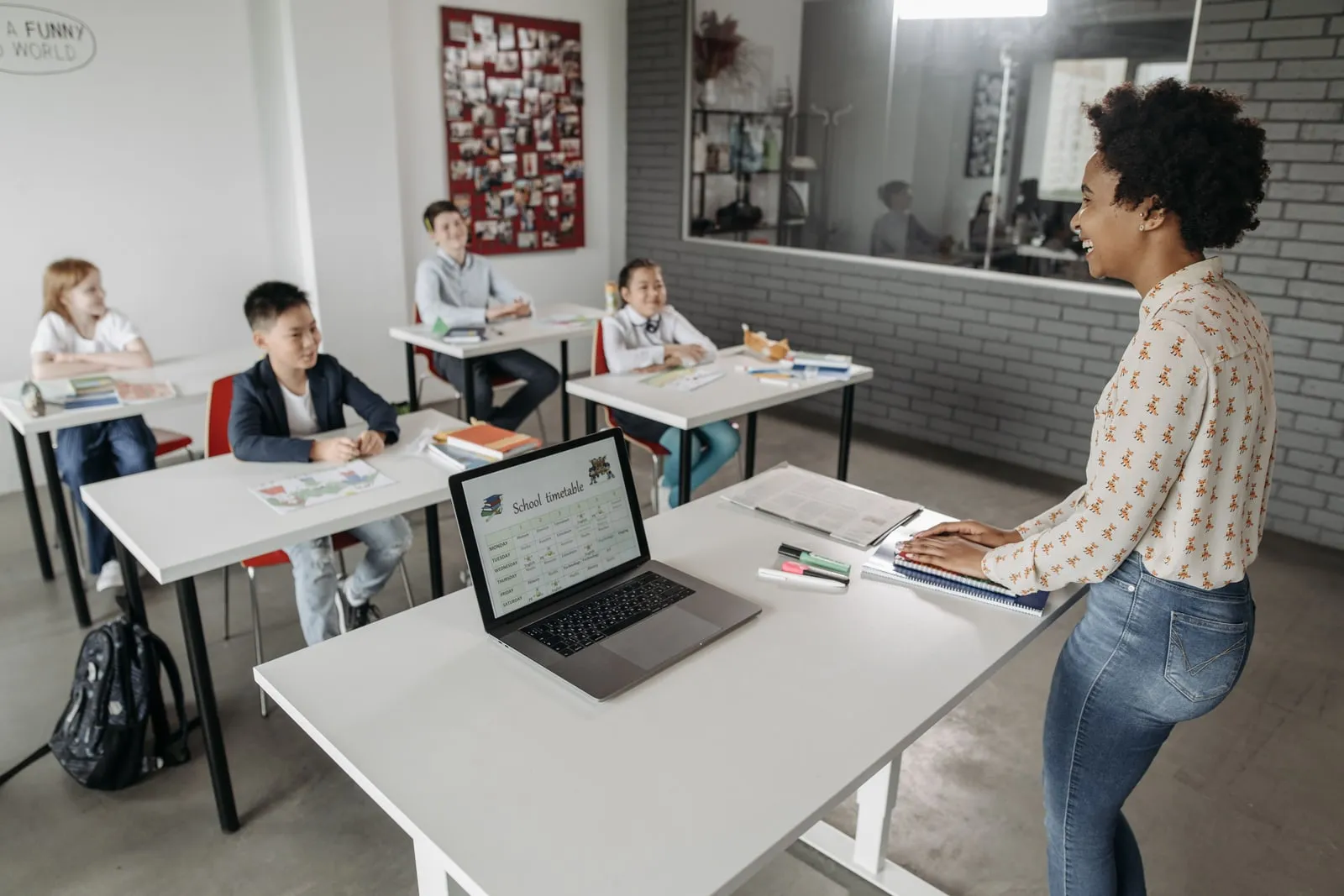
Several exceptions survive the ban in the lower grades: assistive technology for students with disabilities, tools built for multilingual learners, and career-readiness programmes such as computer science. Teachers keep AI for lesson planning, translation and communications, but are barred from using it for grading, behaviour monitoring, counselling or special education planning, Chalkbeat reported.
How it got here
The policy is a reversal of direction. Preliminary guidance issued in March drew enough public objection that more than half of the City Council asked the department to pause AI in schools, citing learning and mental health concerns. The September document is what came back.
That sequence is the part worth noticing beyond New York. Districts across the US have spent three years being sold AI tutors on the argument that refusing them leaves students behind. The largest district in the country has now decided the burden of proof runs the other way for children under fourteen — and has attached a date to the decision rather than making it permanent.
What to watch
A Technology in Schools Coalition will assess the moratorium’s effects and publish recommendations, which is where the question of renewal will be settled. The five high school pilots are the other thing to follow: they are the only place in the district where the city will generate its own evidence about what these tools do in a classroom, and what that evidence says will shape whether the ban lapses next summer or hardens.