JERA, which generates about a third of Japan’s electricity, has signed a memorandum of understanding with Dell Technologies and the UK developer RHAELM to build a 400-megawatt AI data centre on land next to its Chiba thermal power station. The three companies announced the agreement on Thursday and expect capital deployment across all phases to exceed $15bn, or about ¥2.3tn.
That figure covers land, power infrastructure, construction and the AI compute itself. Operations are targeted to begin around 2028.
The point is the wiring, not the building
The site takes power behind the meter from the adjacent plant, which means the electricity never passes through the public transmission network. That is the part of the deal that determines the timetable. Grid interconnection queues are the binding constraint on large data centres in most developed markets, and a project that does not join one can be energised years earlier than a conventional development of the same size.
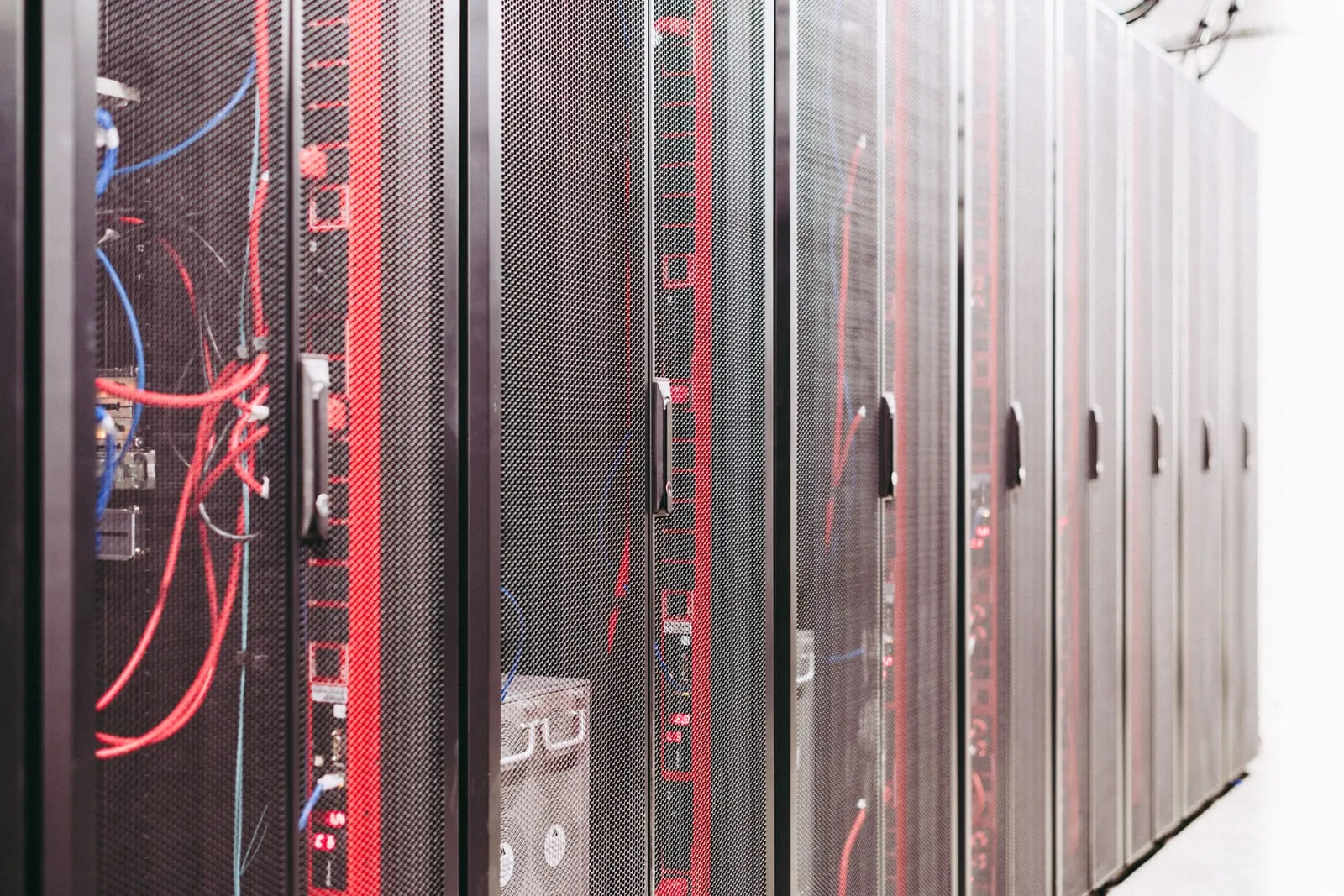
JERA says the arrangement makes Chiba the largest single-site AI infrastructure deployment planned in Japan, and among the largest in Asia. Reporting on the agreement puts the power supply contract at 15 to 25 years and full 400MW capacity in 2029, with operations phased in from 2028.
Who does what
JERA supplies the generation and the LNG supply chain behind it. RHAELM leads project delivery, integrating the power and site capabilities with the compute. Dell provides rack-scale infrastructure through what it calls the Dell AI Factory. Apollo Global Management is RHAELM’s strategic investment and financing partner.
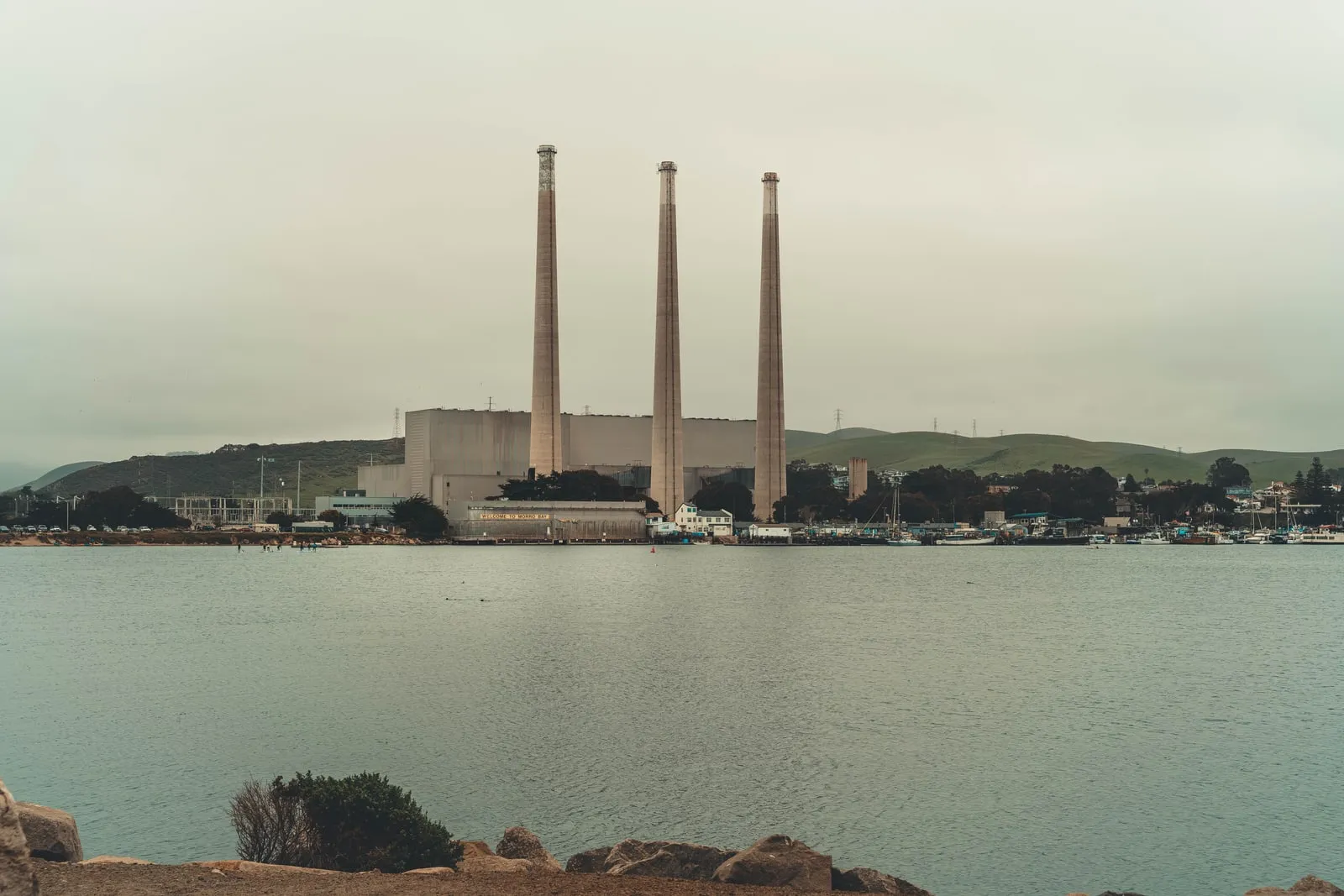
“JERA is uniquely positioned to power Japan’s AI ambitions,” said Yukio Kani, the company’s global chief executive, noting that it already generates one third of Japan’s electricity.
The wider pattern
Pairing a data centre directly with a generating asset is now the standard answer to the power problem, and it has not been a smooth one. Oracle sent a force majeure notice last week on Project Jupiter, a 2.45-gigawatt Stargate site in New Mexico. Crusoe cancelled a $1.25bn order for 29 turbines built from a supersonic jet engine. Chiba’s advantage is that the generation already exists and already runs.
The companies say they want a standardised, repeatable framework rather than a one-off, with the ambition of multi-gigawatt capacity across Japan in the 2030s and the model exported to other markets.
What to watch
Whether the memorandum becomes a signed construction contract, and on what terms Chiba’s output is sold. A behind-the-meter deal of this size takes generation off a national grid that serves everyone else, and Japan’s regulators have not yet said what they make of that.