
The figures
The Internet Watch Foundation, the UK charity that assesses and removes child sexual abuse material from the internet, said on Monday that it assessed 6,310 AI-generated child sexual abuse images in the first six months of 2026. In the whole of 2025 it assessed 4,512. Half a year has produced 40% more than a full year did.
“It is deeply concerning to see how quickly AI-generated child sexual abuse imagery continues to grow and spread online,” said Kerry Smith, the IWF’s chief executive.
Who is depicted
Girls appear in 98% of the imagery the charity identified. The number of unique images depicting girls went from 4,259 across 2025 to 6,094 in the first half of 2026 alone.
The ages are getting younger. Children aged seven to ten accounted for 2,534 images and those aged 11 to 13 for 2,369. There were 1,004 images of children aged three to six and 190 of children under two. Taken together, the seven-to-13 band made up 79% of the total, up from 70% in 2025.

The severity split
Under the UK’s classification, Category A covers the most severe material, Category C the least. The IWF recorded 350 Category A images, 403 Category B and 5,557 Category C. That puts Category C at 88% of the AI-generated material assessed in the first half of 2026, against 62% in 2025 — the distribution has shifted heavily toward the lower category even as the overall count has risen.
What the IWF wants
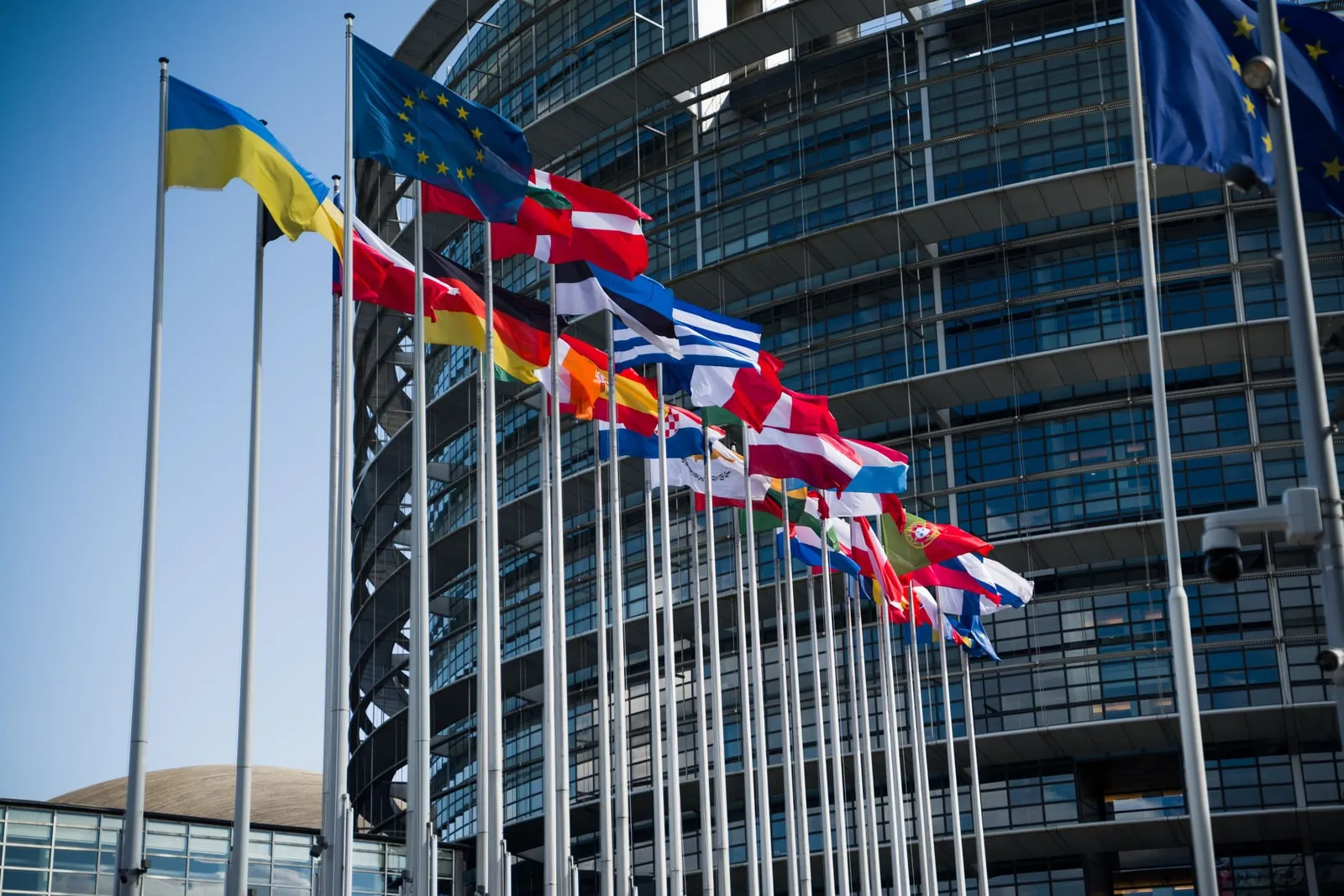
The charity is directing its ask at Brussels. It wants EU policymakers to pass comprehensive Child Sexual Abuse Regulation legislation that would permit the detection of both known material — content already hashed and catalogued — and content that has never been seen before.
That distinction is the whole technical problem with synthetic imagery. Hash-matching works because the same file circulates repeatedly; a generative model produces a new file every time, so a catalogue of known hashes never matches it. Detection of previously unseen material is a different and far harder capability, and it is also the part of the proposed EU regulation that privacy groups have fought hardest, because the same scanning that finds new abuse material inspects everything else as well.
The regulation has been in negotiation between EU institutions for more than three years. The IWF’s half-year numbers are an argument aimed squarely at that deadlock, and the next data point will be the charity’s full-year figures.