The investment
Google said on Wednesday it will invest €13 billion in data centres and supporting infrastructure in Finland over the next two years, at sites in Hamina, Kajaani, Muhos and Vaala. In its own announcement, the company framed the spending as an energy commitment as much as a compute one: new generation capacity, grid work and affordability measures alongside the buildings.
Ruth Porat, president and chief investment officer of Alphabet and Google, said the investment “underscores Google’s commitment to grow our presence responsibly, pairing the expansion of our technical infrastructure with new energy capacity, grid enhancements, and energy affordability initiatives.”
The nuclear agreement
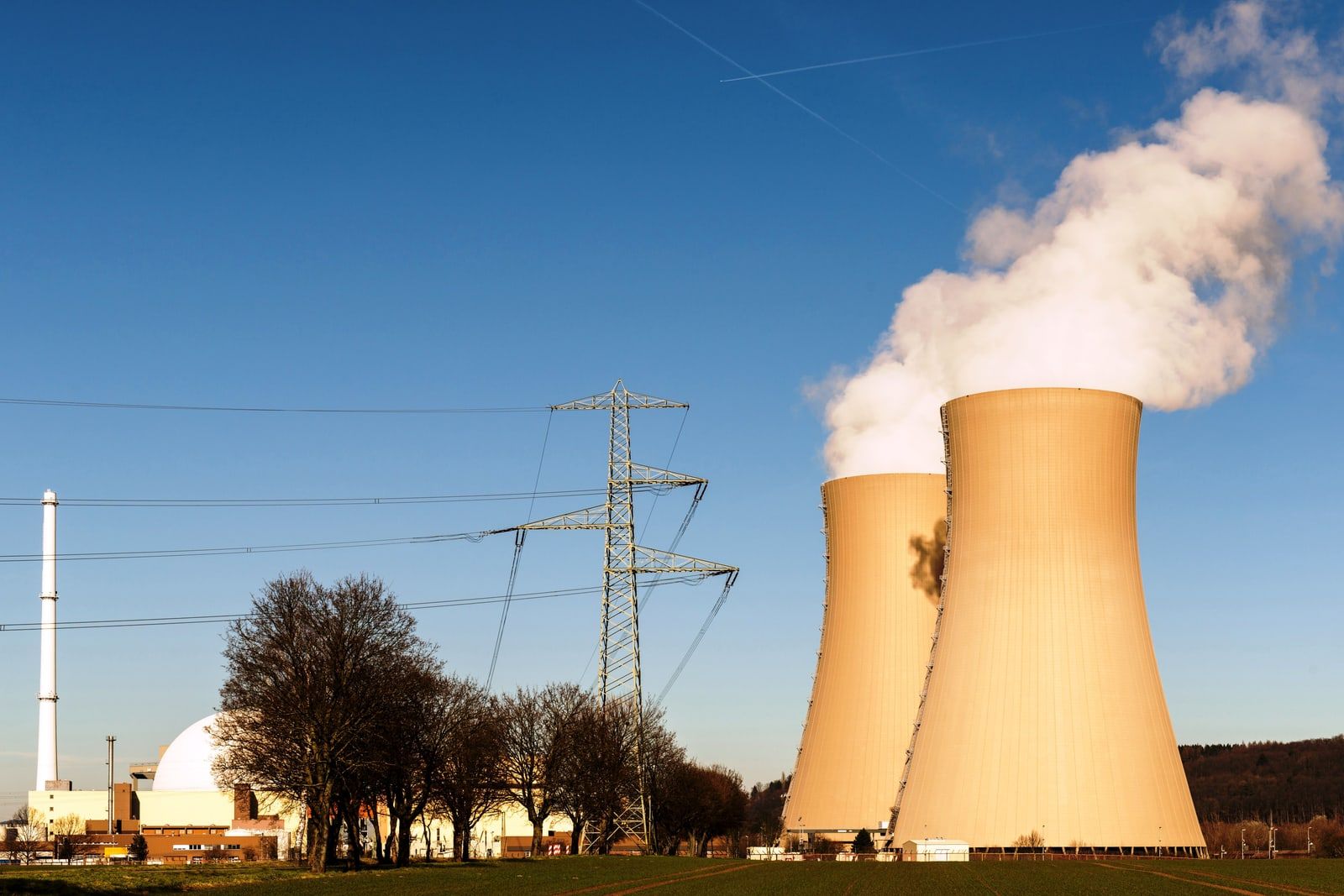
The part that changes something outside Google is the power purchase agreement with Fortum. It runs 22 years and covers the Loviisa nuclear plant on Finland’s south coast, a station that supplies more than a tenth of the country’s electricity. Purchases begin in 2028 at reduced volume and cover half of Loviisa’s capacity from 2030 to 2049, according to World Nuclear News.
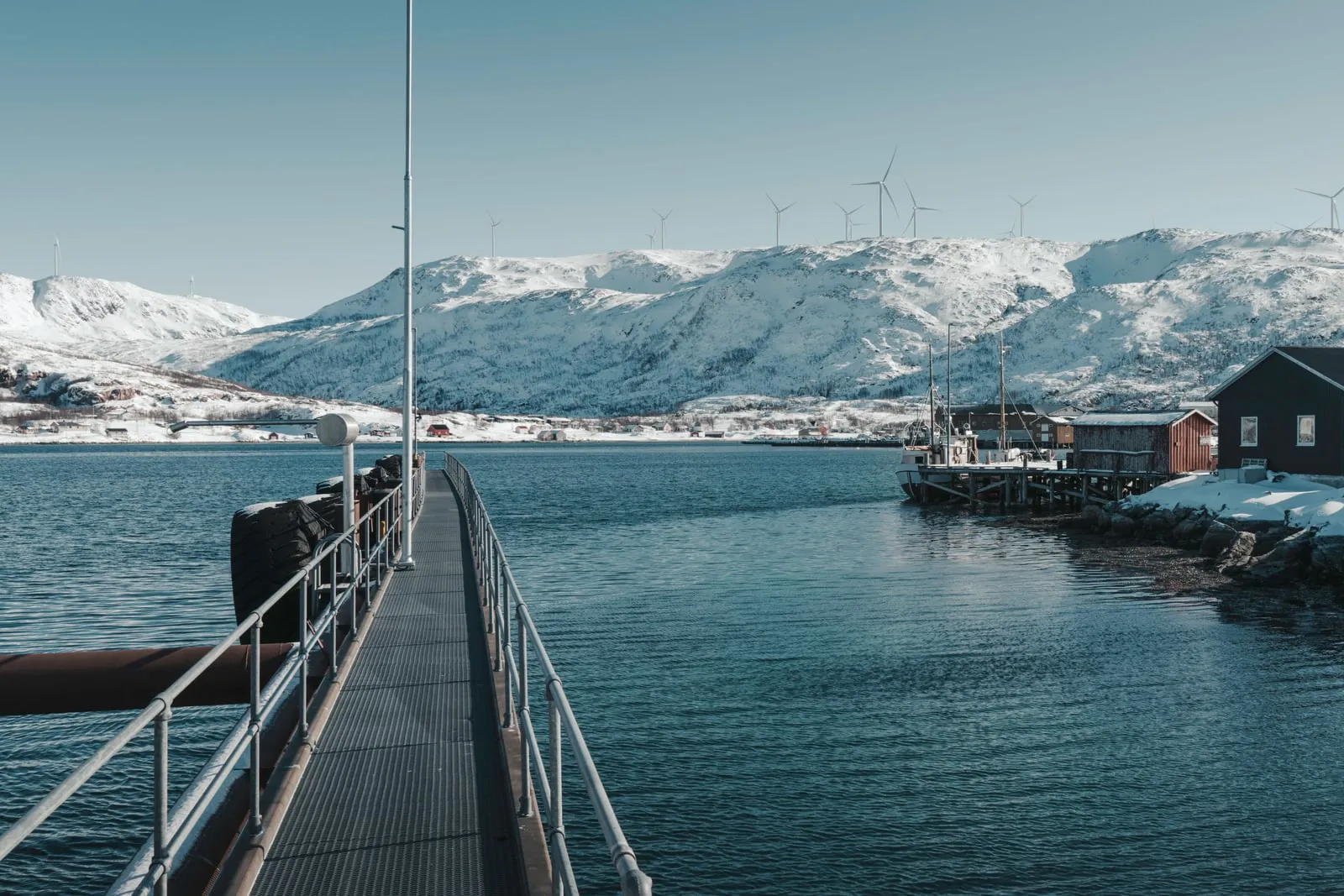
Loviisa was scheduled to close around 2030. Fortum is spending roughly €1 billion to extend and upgrade it to 2050, and the Google contract is what makes those two decades bankable. Fortum’s chief executive, Markus Rauramo, said long-term partnerships “bring the predictability required for investments in new, low-carbon electricity generation capacity”.
For Google this is a first outside the United States. Its earlier nuclear commitments — small modular reactor agreements and restarted American plants — were all domestic.
Wind and storage as well
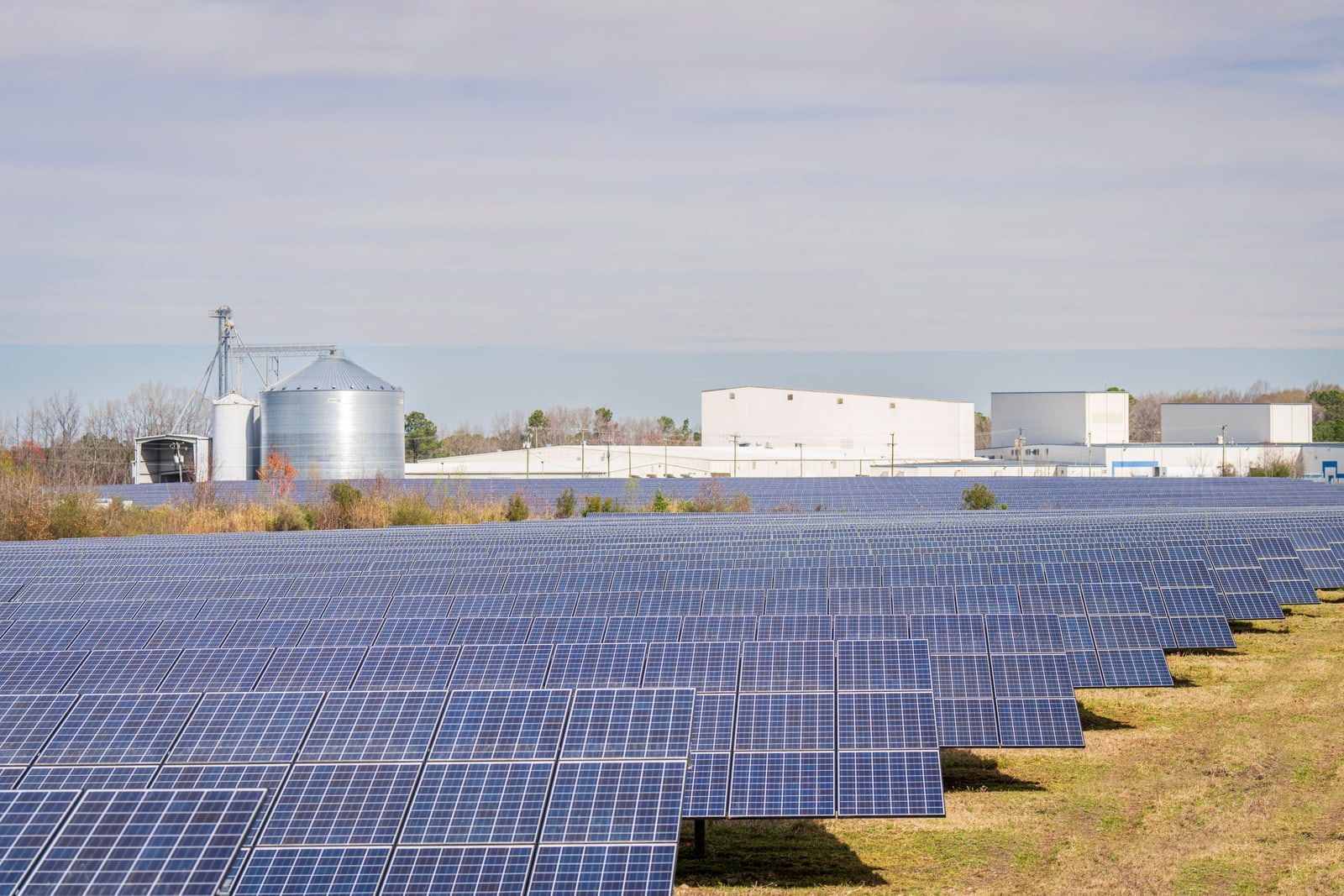
The company also signed onshore wind agreements with Valorem and Suomen Hyötytuuli that take its contracted new-to-the-grid wind capacity in Finland to 629 MW, and is building a 94 MW battery system near the Kajaani site, expected online in late 2027. The batteries are for grid balancing and price volatility rather than for the data centres alone.
Why Finland
Finland offers cold air, a grid with room, and a nuclear fleet that is politically stable in a way most of Europe’s is not. Google has run a data centre in Hamina since 2011. The three new northern sites sit where winter temperatures fall well below −10°C, which cuts the cooling load that dominates a modern AI campus’s power draw.
The wider pattern is by now familiar: hyperscalers are no longer buying electricity, they are financing the plants that make it. What is new here is the term. A 22-year contract signed in 2026 commits Google to Finnish nuclear output into the 2040s, which is a longer horizon than any of its model roadmaps.
What to watch
Fortum has to deliver the life extension, which needs regulatory approval from Finland’s nuclear authority before 2030. Watch for that filing, and for whether Google’s next European nuclear deal follows the same shape.