What was launched
Emerald AI, Google and Nvidia on 16 September launched the AI Energy Management Alliance, a group that wants AI data centres to adjust how much electricity they draw depending on the state of the grid. Nvidia’s announcement says the aim is to let new AI facilities connect to the grid faster while supporting reliability and keeping power affordable.
The alliance says it will work on common technical requirements and performance metrics for what it calls power flexibility, and push for quicker grid connections for sites that can show they respond to grid conditions. It wants those rules to be technology-neutral and based on measurable performance, covering how fast a site responds, for how long, how predictably and how it behaves in an emergency, rather than on any particular hardware or software.

The case the alliance makes
The argument rests on how rarely grids run at full capacity. On its website, the alliance says about 100 gigawatts of existing grid capacity goes unused and could be opened up for flexible data centres, and that half of the power system’s capacity sits unused over the year.
It also says connecting a new AI data centre takes five to seven years or more in major US markets, puts potential avoided power system costs at $733m for each gigawatt of new flexible data centre capacity, and says every 10% improvement in grid utilisation can cut utility rates by 3.4%. These are the alliance’s own figures. It adds that demonstrations have cut a site’s power use by about a third in under a minute during emergency scenarios.
“AI factories transform energy and data into intelligence. Power-flexible design gives them the potential to support the grid as they do it,” the Nvidia post says.
Who it is for
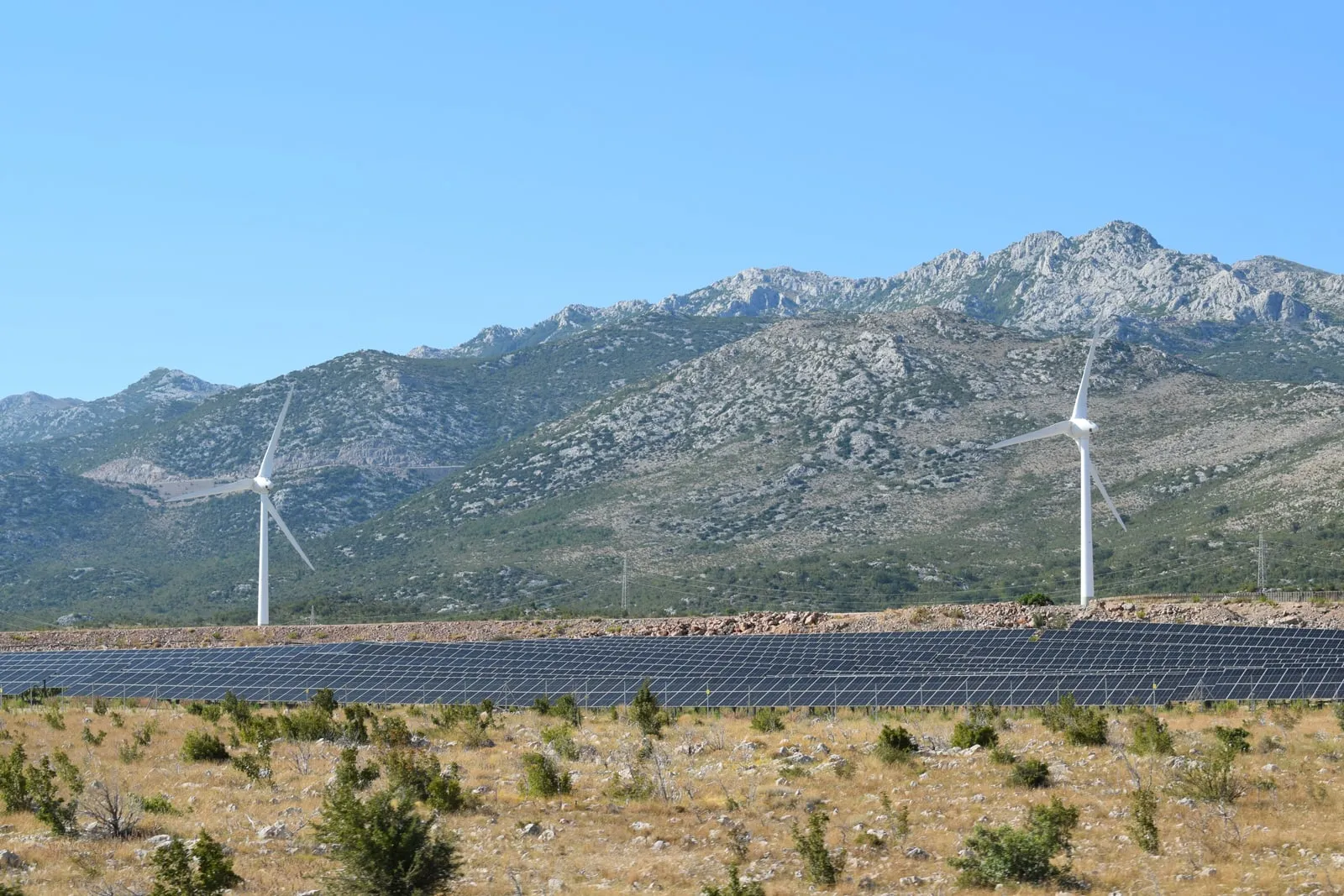
The founders want the alliance to bring together AI platforms, infrastructure providers, data centre operators, technology companies, power producers, utilities and regional grid operators.
Why now
The launch lands as the cost of powering AI becomes a political question in the US. On the same day, the House of Representatives passed a bill meant to make data centres of 100 megawatts or more pay for the grid upgrades they need.
Flexibility offers operators a different pitch: connect sooner by agreeing to draw less when the grid is under stress. What the alliance has not yet published is the standard itself, or which utilities and grid operators will sign up to it. Those are the details that will decide whether it changes how data centres are connected.