The number
Gas burned to generate electricity for US data centres will grow by 15 billion cubic feet a day over the decade to 2035, according to a new BloombergNEF forecast reported by Bloomberg News. That figure already assumes many currently announced projects are never built.
Add the facilities that generate their own power on site — TechCrunch puts that at 2.9 to 3.4 billion cubic feet a day by 2035 — and the total demand from data centres approaches 18 billion cubic feet a day. TechCrunch notes this is close to double what BloombergNEF was forecasting nine months ago.
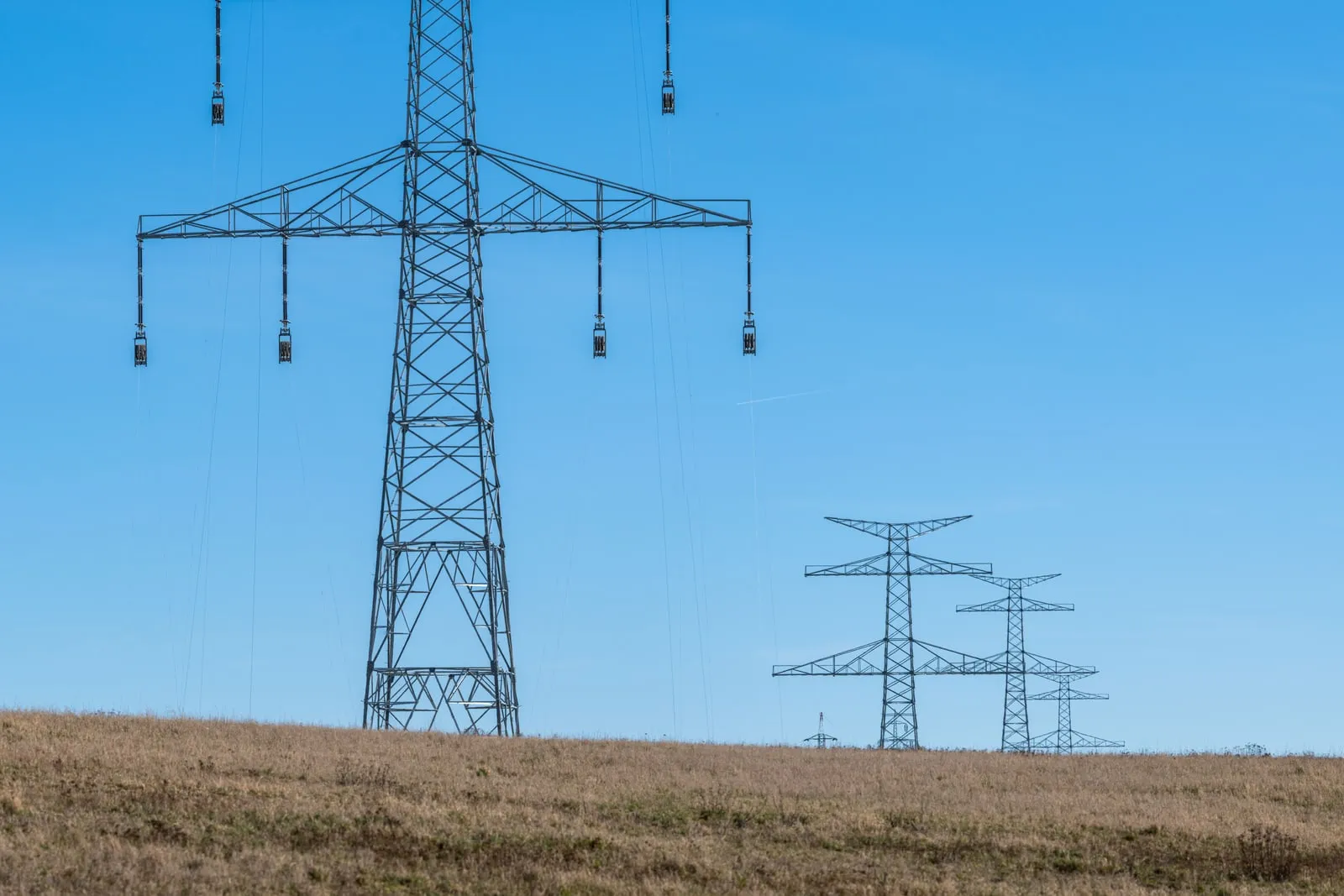
Why gas rather than anything else
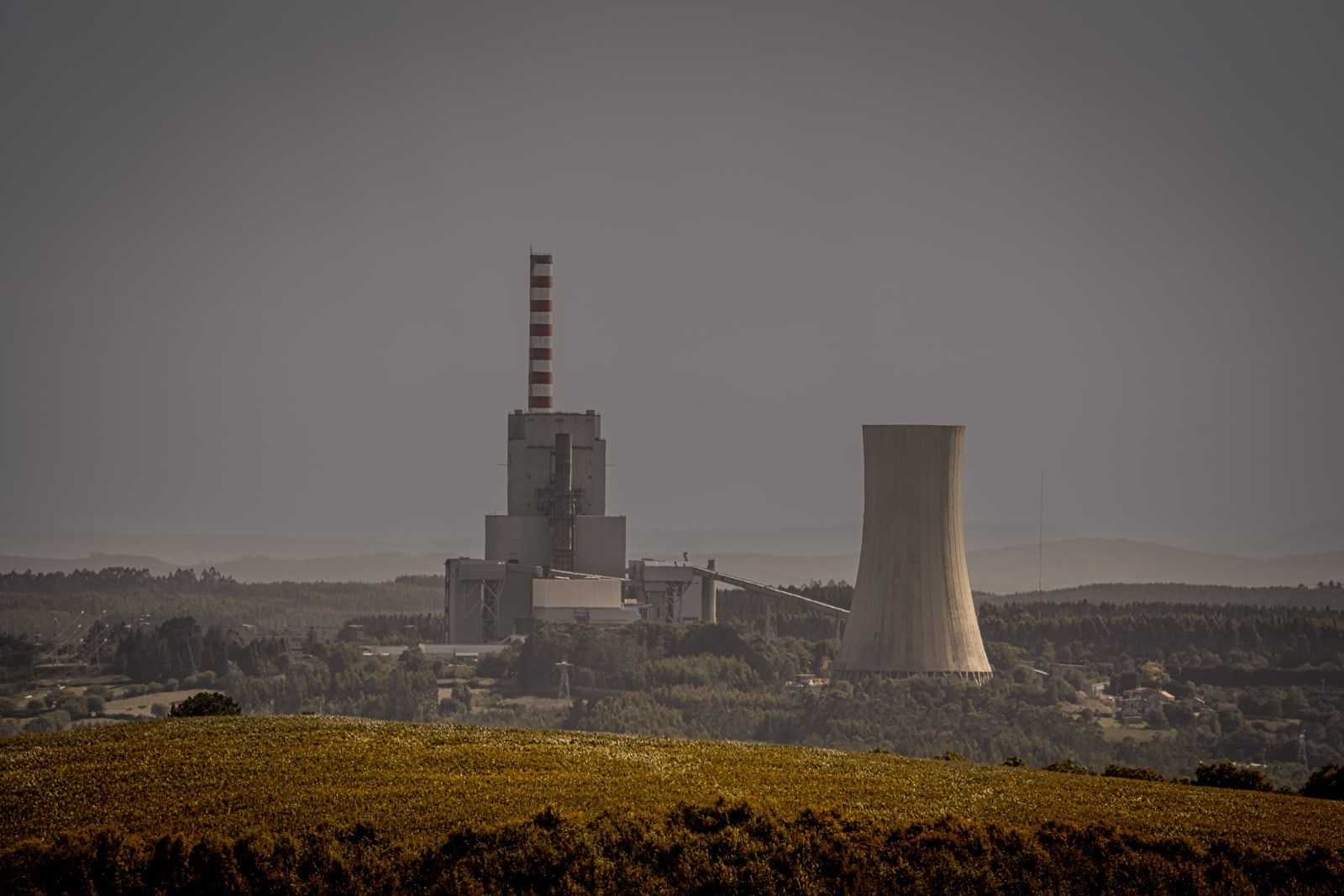
BloombergNEF expects natural gas to supply 69% of the power needed by new grid-connected data centres. The reasoning is availability and responsiveness: gas is abundant and cheap to produce in the United States, and gas plants can move their output up and down quickly, which suits a load that runs around the clock and does not fall back when the wind drops.
Across the whole power sector, the forecast puts gas consumption at 54 billion cubic feet a day by 2035, up 18 billion from 2025.
The supply gap
The part of the forecast that binds is production. US gas producers are currently projected to add 35 billion cubic feet a day of output between 2025 and 2035. BloombergNEF’s demand path — data centres plus LNG export terminals — requires a further 11 billion cubic feet a day beyond that.
That is the gap that turns an energy forecast into a price forecast, and it is where the cost of AI compute stops being a question about chips.

How much to trust it
BloombergNEF itself says the error bars on the data centre figure are fairly large in both directions. A forecast that has roughly doubled in nine months is a forecast tracking an unsettled build-out, and the analysts have said as much: the revision was driven partly by accepting that not every announced project will be completed, which cut the number, and partly by the scale of what is actually being built, which raised it more.
What to watch
Production guidance from US gas producers over the next two quarters is the place this shows up first. If the 11 billion cubic feet a day is not being planned for, the adjustment arrives as price rather than as volume — and it arrives for every gas customer, not only the data centres.