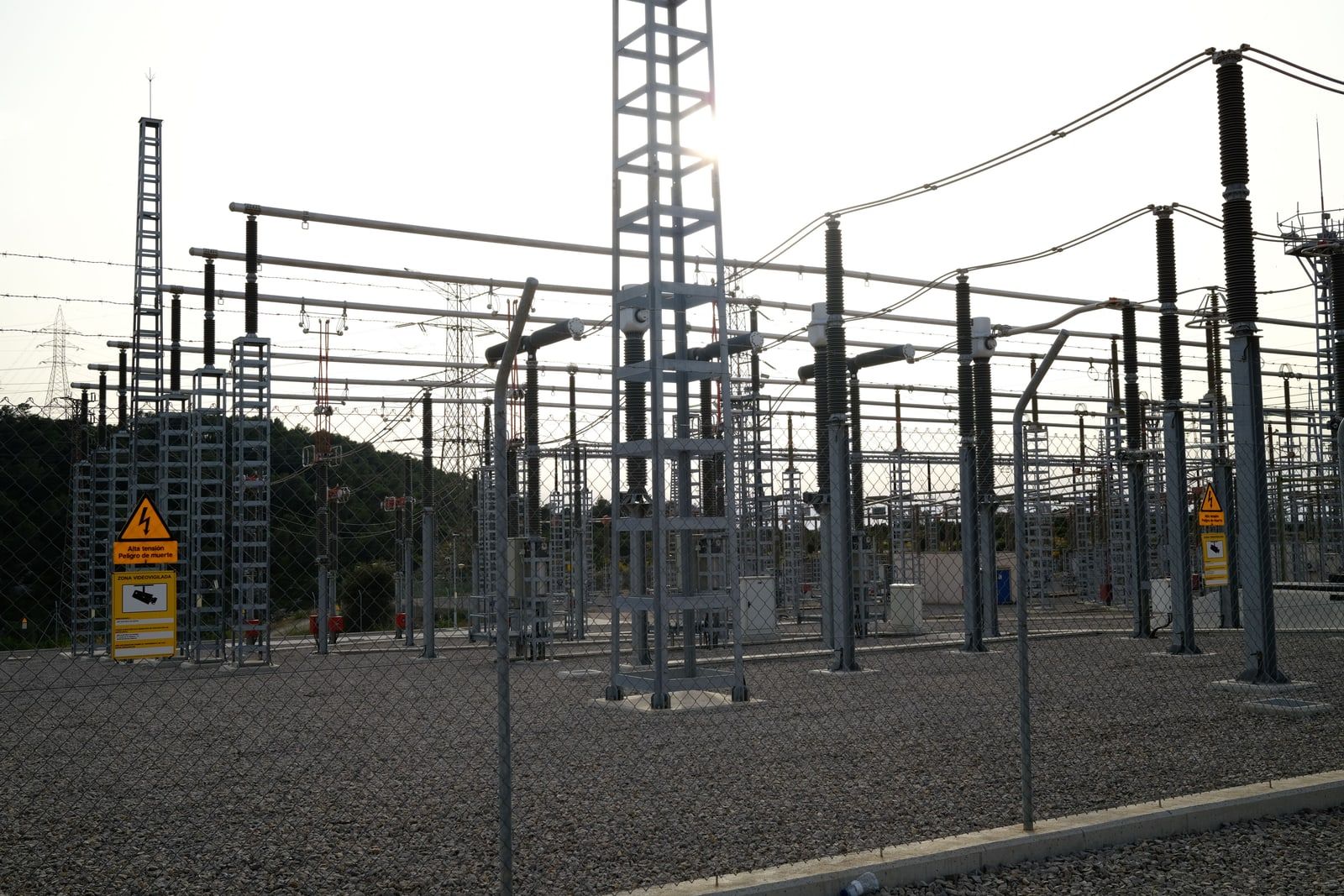
A switch that refuses the usual trade
Atomic Machines, founded by Jeff Holden, came out of six years of stealth on 7 October with $250m raised and a manufacturing platform it calls the Matter Compiler. The first product out of it is not a chip or a robot but a relay, aimed squarely at the electrical plant inside AI data centres.
The company’s pitch rests on a trade-off engineers will recognise. Electromechanical relays conduct metal to metal, which is the most efficient path there is, but they open in milliseconds. Solid-state switches open in microseconds but conduct through semiconductors, with the losses and heat that implies. Atomic Machines says its device, PrimeSwitch, does both: on its product page it claims 200 microhms of metallic conduction and a 50-microsecond opening time, with galvanic isolation at 1,500 volts.
Its explanation for the speed is scale. “A contact with almost no mass, travelling microns, can open in microseconds,” the page says — “physics no hand-sized mechanism can reach.”
The specification, as published
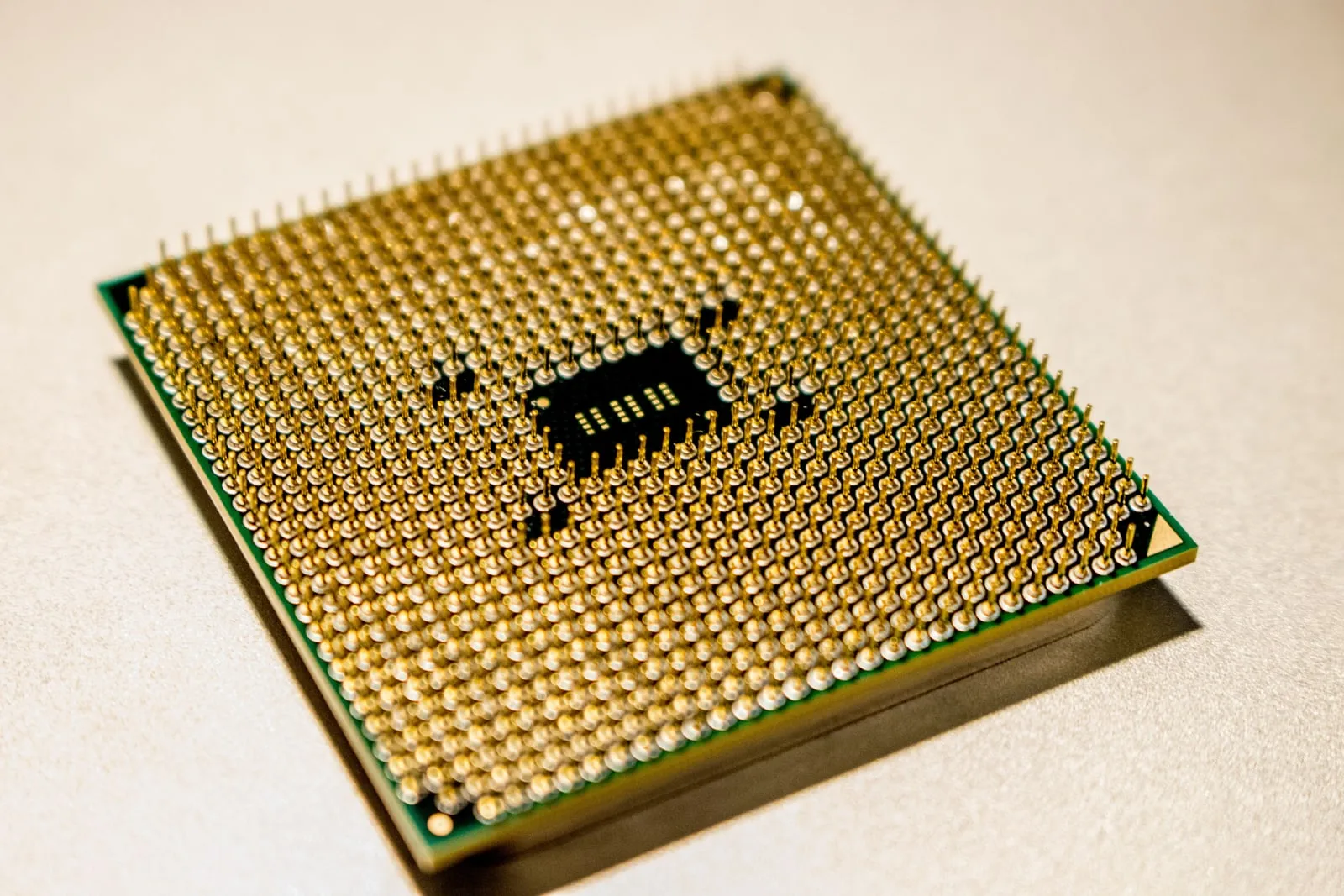
The company lists the PS-150 as carrying 150 amps continuously, AC or DC, with no active cooling. On-resistance is 200 microhms, opening time 50 microseconds to 1,500 volts, and the part measures 9.5mm across and 3mm thick. It is bistable, holding its state on zero power, single-pole single-throw, and surface-mount. Availability is listed as “sampling now”.
All of those figures are Atomic Machines’ own, published on its website alongside the launch. No independent test results have been released, and the company has not named the early-access customers evaluating the part, nor disclosed pricing or production volumes.
Why a relay is an AI story
The market the company is aiming at is the shift in data-centre power distribution toward 800-volt DC architectures. The Next Web reported the company’s case: at that voltage a fault can release damaging energy within microseconds, while mechanical protection takes milliseconds to react. A protective device that is both fast and low-loss is therefore worth more in an 800-volt hall than it was in a 400-volt one.
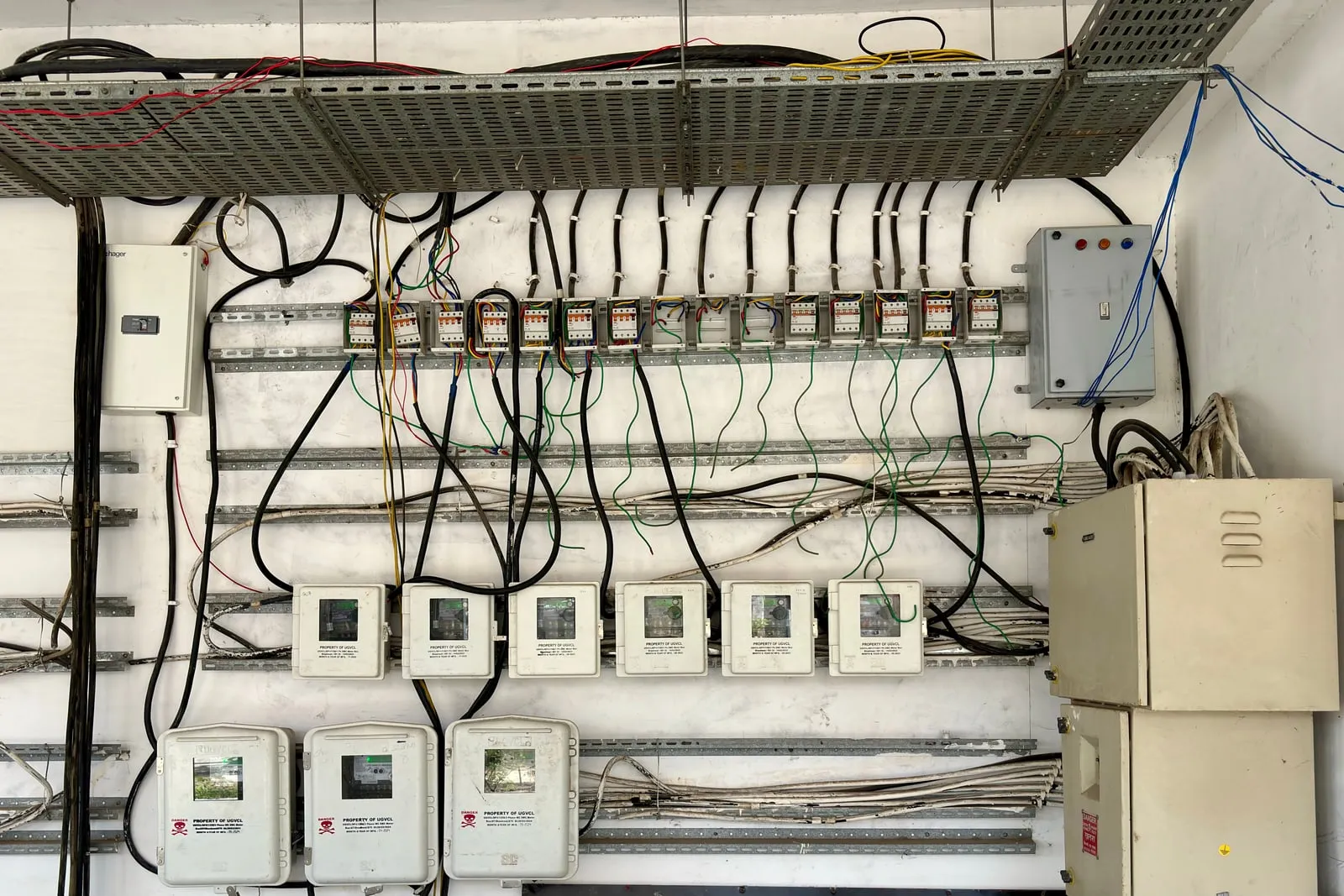
This is the unglamorous end of the AI build-out, and it is where a good deal of the engineering difficulty now sits. Racks have been getting denser faster than the electrical gear around them has been getting better.
The Matter Compiler, and what is not yet proven
The relay is presented as a demonstration of the platform rather than the point of it. Atomic Machines describes the Matter Compiler as an AI-native, all-digital manufacturing system that builds working micro-machines directly from code, with no moulds, masks or fixed tooling, producing devices with moving parts and multiple materials down to single-digit microns, and measuring and correcting each step as it goes. The name is taken from Neal Stephenson’s novel The Diamond Age.
That is a large claim resting on one product. The public materials do not include independent verification, yield figures, or evidence of repeatability at commercial volume — the questions that decide whether a novel fabrication process becomes a business.
Investors named in the launch include OneIM, Gigafund, XTX Ventures, KAS Venture Partners, Valor Equity Partners, Tru Arrow Partners, Construct Capital, Sozo Ventures and the Regents of the University of California. The company did not disclose a valuation or how the $250m splits across rounds.
Holden joined Amazon as its tenth engineer and built Amazon Prime before becoming Uber’s first chief product officer. “3D printing made shapes programmable: any geometry, straight from a file,” he told The Next Web. “We’re making machines programmable.”
PrimeSwitch gets its first public showing at the Open Compute Project Global Summit in San Jose, from 12 to 15 October. That is where the people who buy this kind of hardware will get to look at it.