What was confirmed
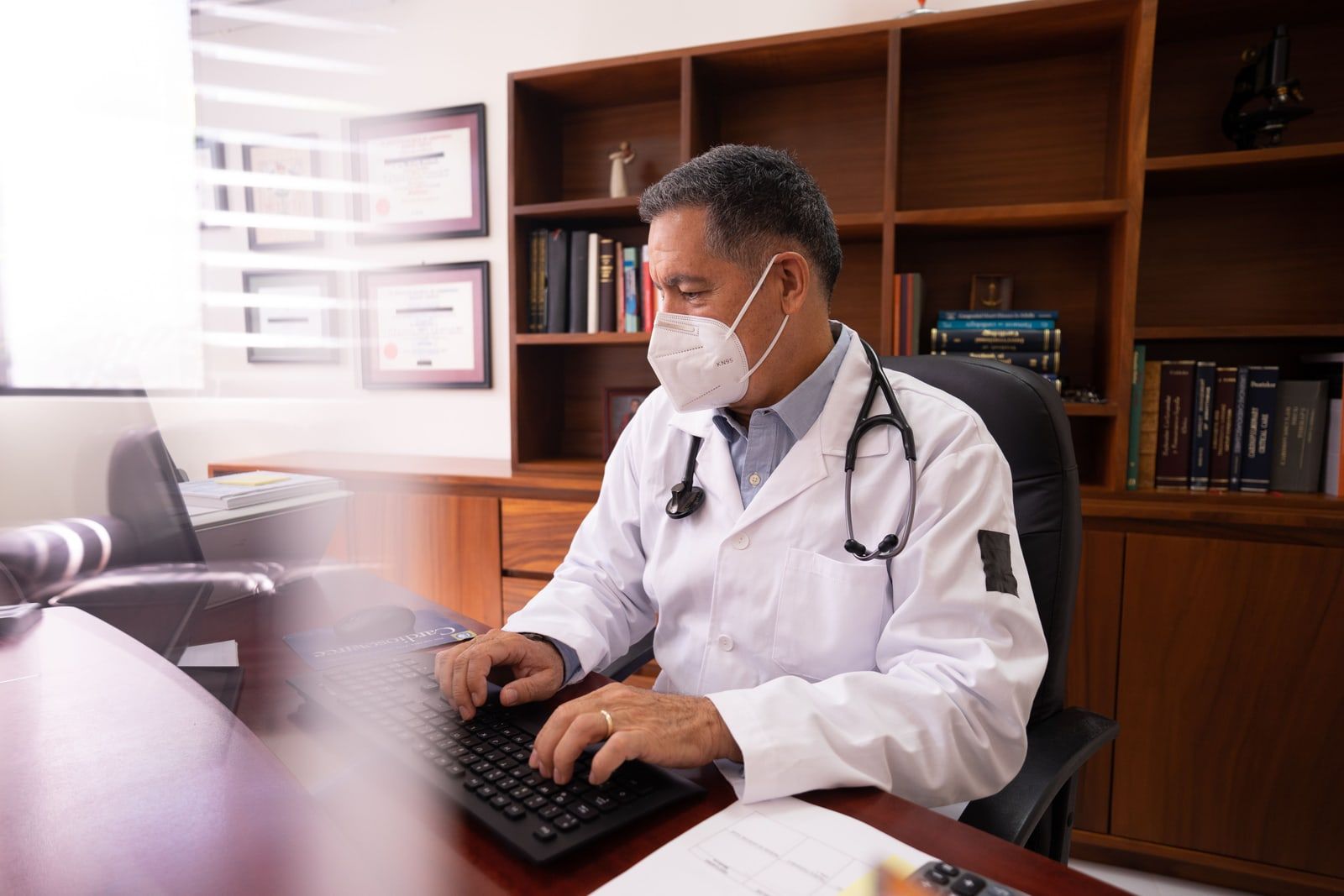
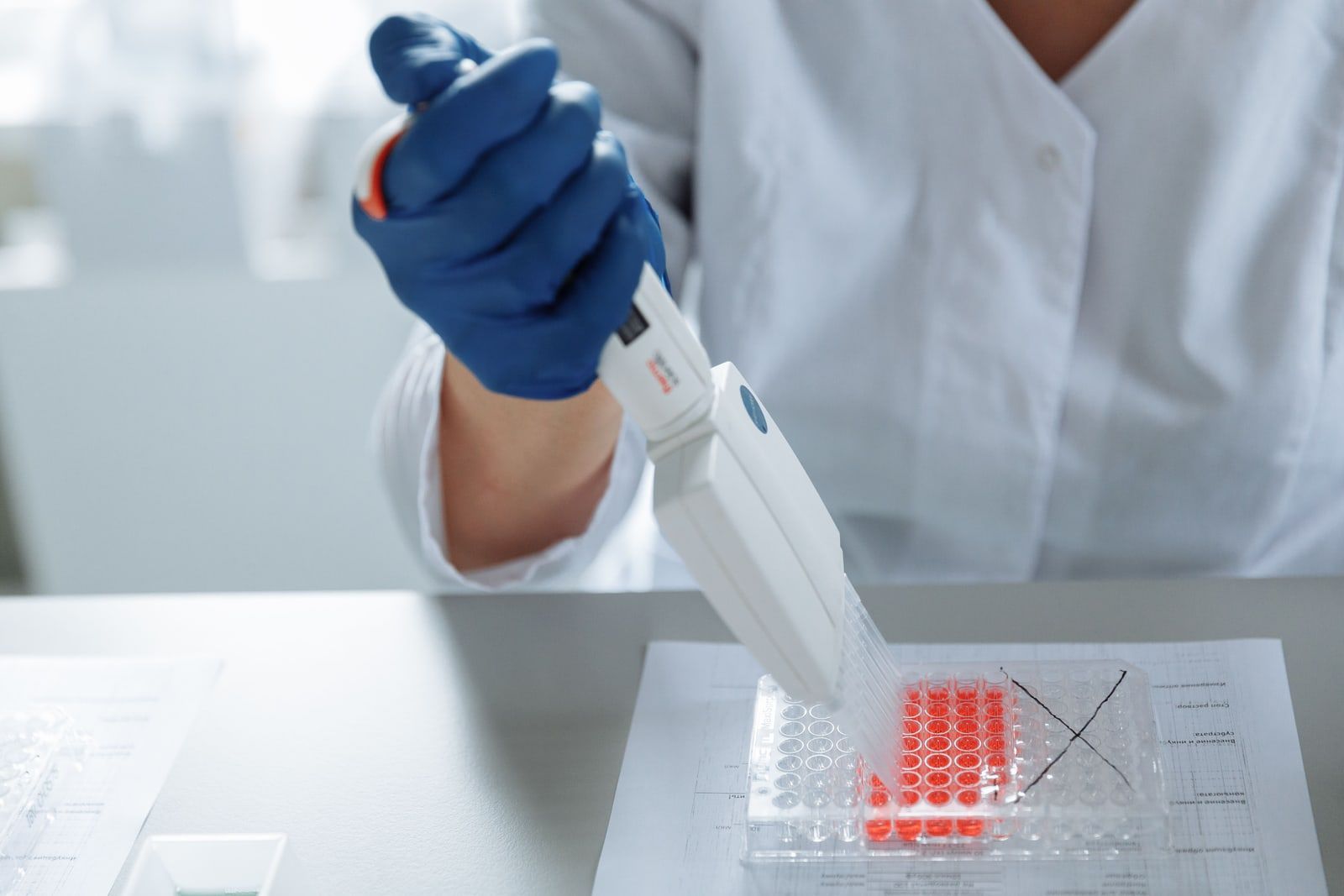
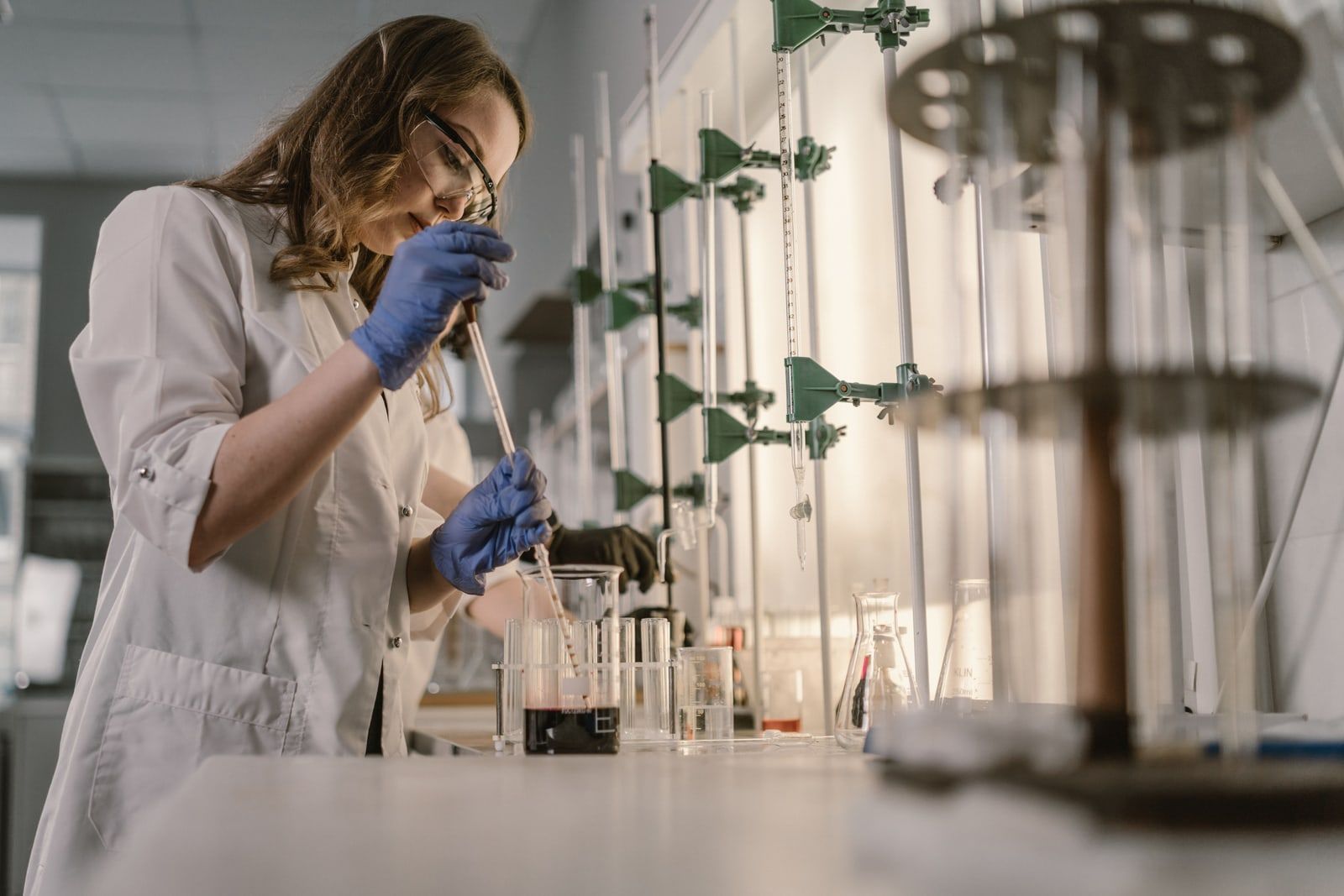
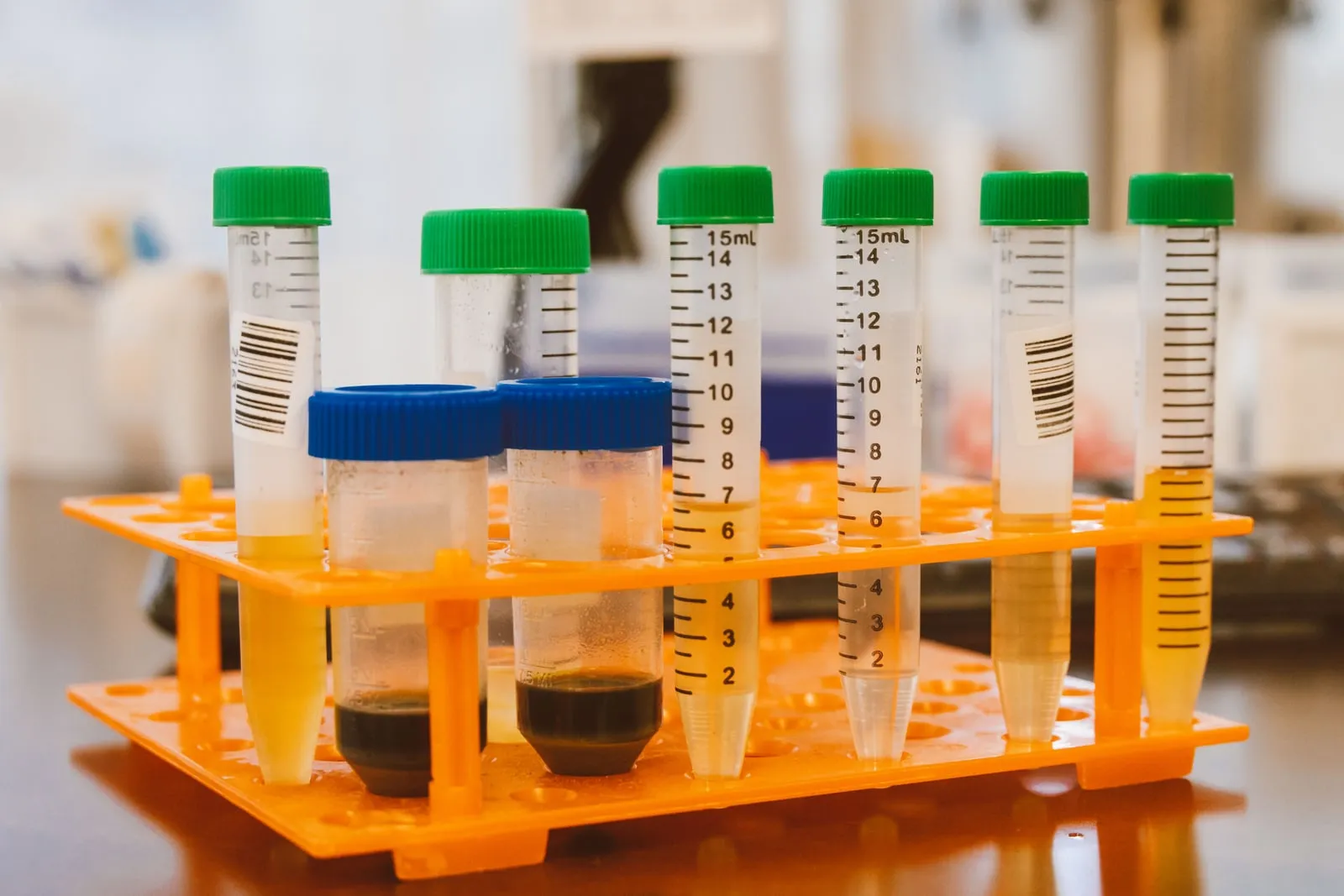
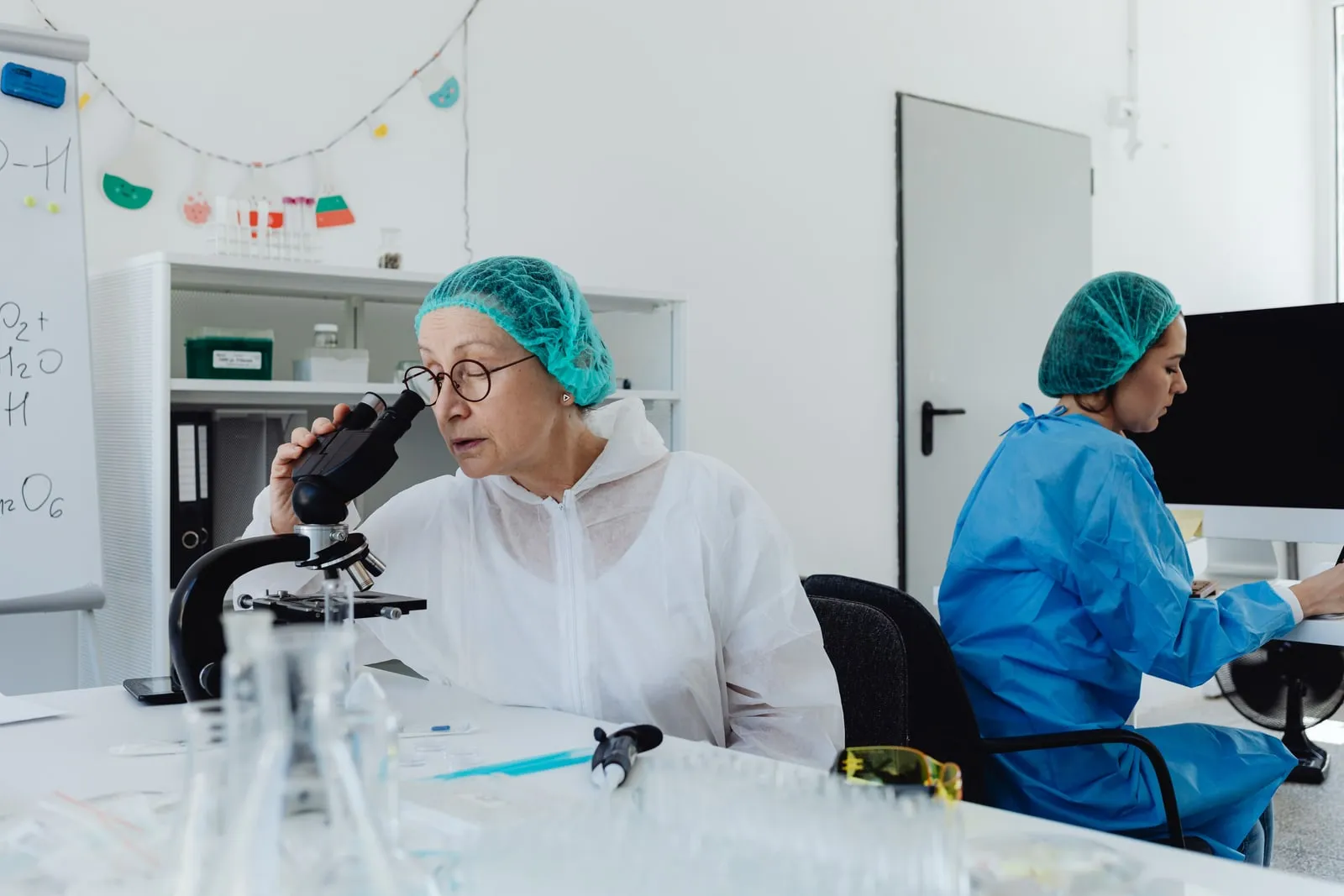
Anthropic operates a wet biology laboratory in the Bay Area, where its models can have physical experiments carried out. Eric Kauderer-Abrams, the company’s head of life sciences, confirmed the lab’s existence to Reuters, in reporting relayed by TechCrunch on Thursday.
“We believe that to do biology, the final test is still…in real lab work,” Kauderer-Abrams said.
The facility runs like an ordinary biotech laboratory. Anthropic does its own research there and works with outside partners.
The deliberate limit
The lab is aimed at fundamental biology rather than drug discovery. That boundary is commercial as much as scientific: Anthropic sells to pharmaceutical companies, Novo Nordisk among them, and a model vendor that starts discovering its own drug candidates becomes a competitor to its own customers.
It is the same line other infrastructure suppliers have drawn and then quietly crossed, which is why the commitment is worth recording now rather than assuming.
How it fits what Anthropic has been building
The lab is one piece of a life-sciences push that has accumulated over the year. Anthropic acquired Coefficient Bio, a stealth biotech startup, for roughly $400m in April. It has published research on accelerating protein design and on biomolecular modelling. And on 17 September it launched a Life Sciences Verification Program, which lets vetted researchers work with models under relaxed biology guardrails, with US government involvement in the vetting.
Read together, those pieces describe a company trying to close a loop: a model proposes an experiment, the experiment is actually run, and the result comes back into the model’s evidence rather than into a paper somebody might read later. Dario Amodei has said AI could cure most major diseases in the next five to ten years, and a laboratory is the minimum physical apparatus that claim requires.
The tension worth naming
Anthropic is simultaneously arguing that frontier models should be developed more slowly and building the capacity to test biological hypotheses in the physical world faster. Those are not contradictory — the company’s own position is that biology is exactly where capability and risk are most tightly coupled, which is why the verification programme exists at all.
But they do sit under strain. A wet lab attached to a frontier model is, from a biosecurity standpoint, the thing the guardrails are guarding. Anthropic has not said publicly how the lab’s own work is overseen, or whether the embedded evaluators it announced this week will have access to it.