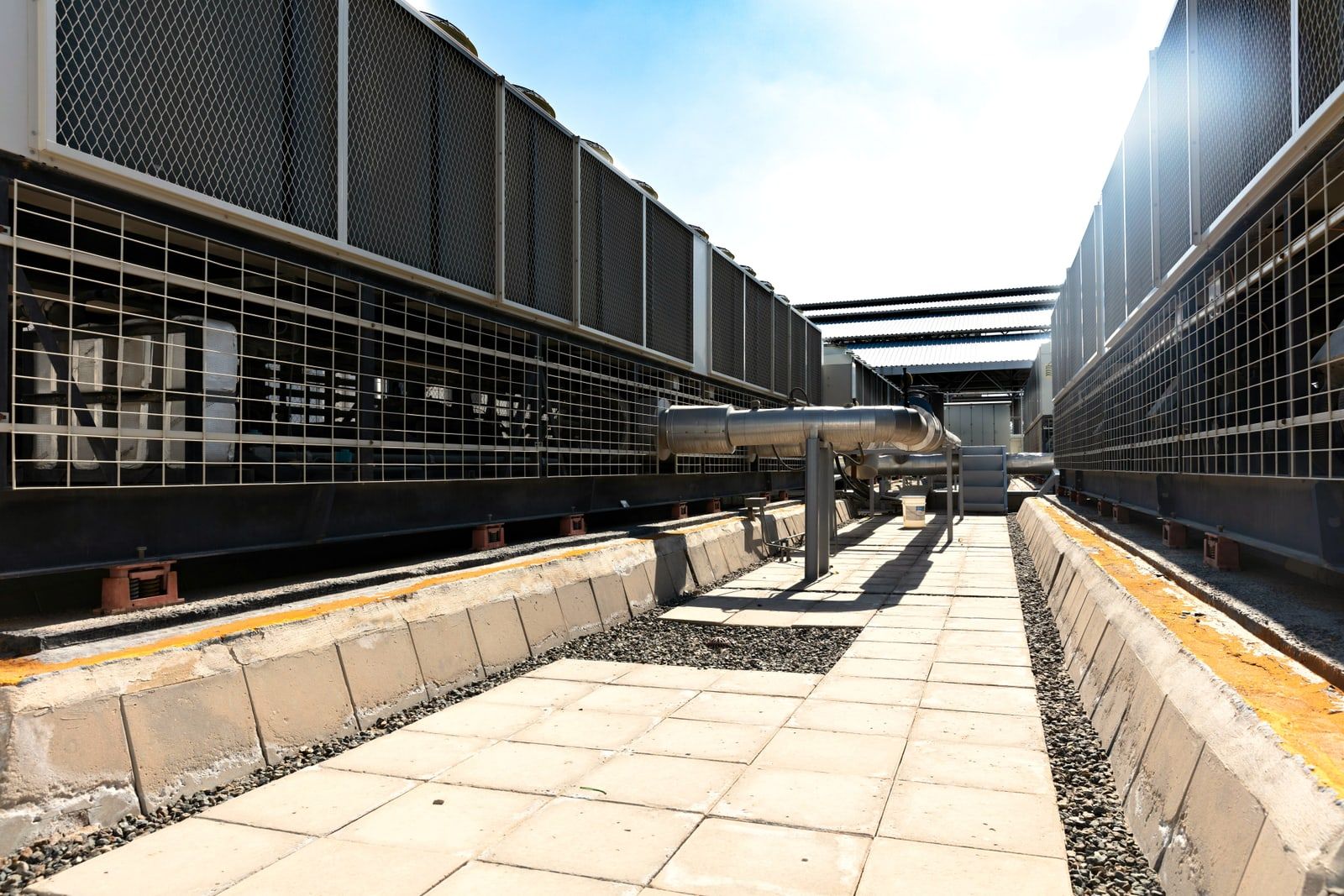
Accelevation, an Ohio supplier of power and cooling equipment for data centres, priced its Nasdaq listing at $18 a share on 29 September, below the $20 to $24 range it had marketed. The company and its private equity backer Olympus Partners sold a combined 30 million shares, raising $540m. The stock opened the next day at $17.55, below the IPO price, and Bloomberg reported it edged down 2.5%.
The growth behind the offering is not in doubt. Accelevation reported revenue of $447.8m in 2025, against less than $3m in 2021. That is the shape of a supplier that was small when the data centre build-out started and is now selling into every gigawatt of it.
A priced deal is a measurement
IPO pricing is one of the few places where enthusiasm about AI infrastructure gets converted into a number that someone has to pay. A deal that clears below its range means the institutions taking the shares wanted a discount to the price the bankers thought the market would bear.
That is not the same as doubt about demand for cooling and switchgear, which is visible in the revenue line. It is closer to a view on what multiple that revenue deserves, and on how much of the build-out schedule is already in the price.

Why it is being watched
Accelevation is a picks-and-shovels business rather than a model developer, which makes it a cleaner read on the infrastructure cycle than a listing by a lab would be. It sells physical equipment on contracts, and its revenue tracks the megawatts actually being commissioned rather than the megawatts announced.
A below-range print does not settle anything on its own. It is one data point in a market where Goldman Sachs estimates roughly $500bn of AI-linked financing this year.
What to watch
How the shares trade through the lock-up, and whether the next AI infrastructure supplier to file adjusts its range before marketing rather than after.