What was announced
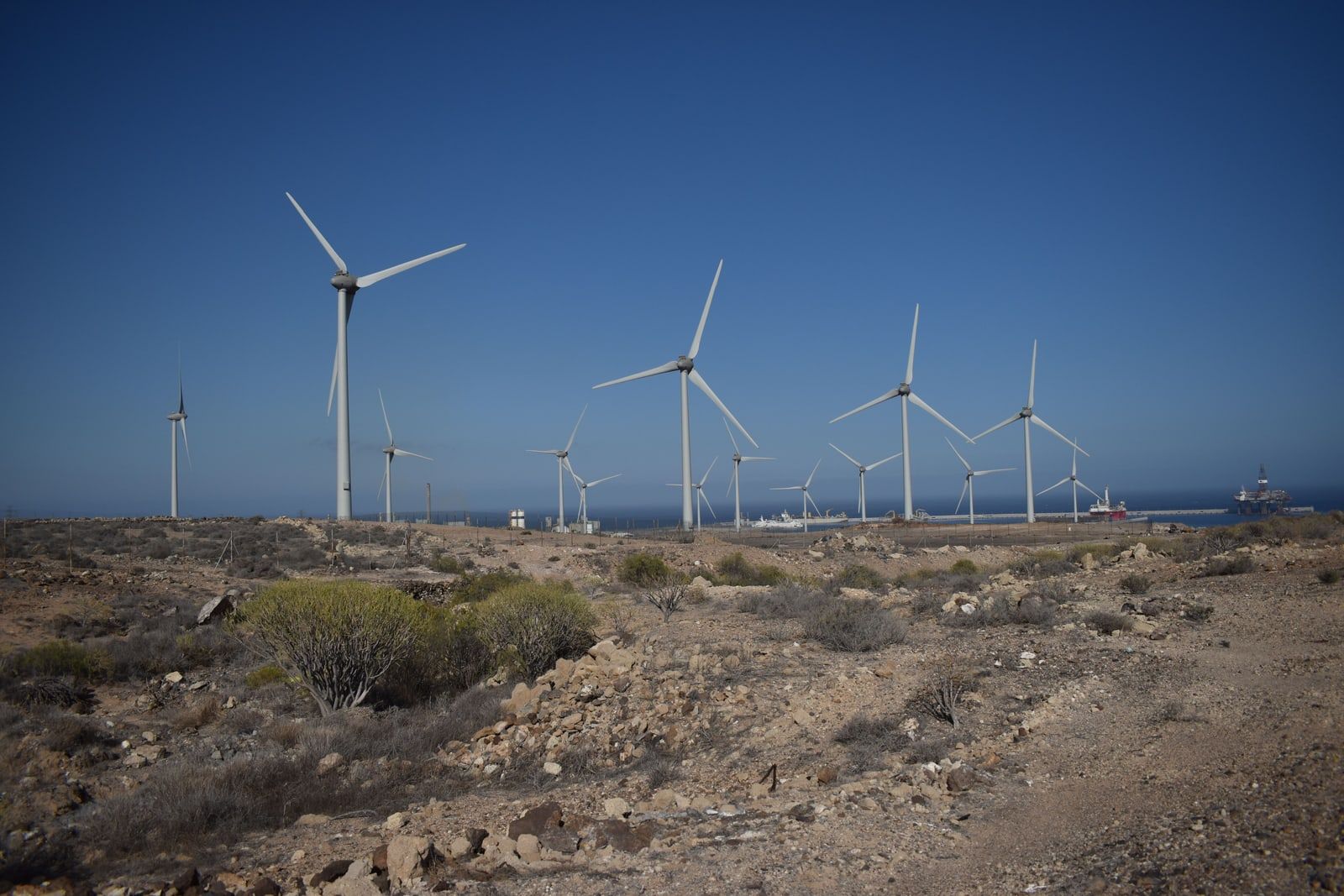
EverWind Fuels said on 16 October that it will invest more than C$10bn in a data centre campus at Point Tupper, Nova Scotia, and in onshore wind across the province. Its statement splits the figure into more than C$8bn for the campus and C$2bn for its wind portfolio, and calls the combined development the largest privately funded investment in the province’s history.
The announcement said only that EverWind had signed a long-term lease for the initial phase with a “leading frontier AI developer”. Anthropic confirmed later that day that the developer was Anthropic, in what Reuters reported as its first data centre agreement in Canada. The initial lease runs for at least 20 years.
The numbers
The campus is to be built in stages. An initial phase of 95 megawatts is targeted for late 2027, with a 325-megawatt expansion targeted for 2028 and a full build-out of 420 megawatts. EverWind attaches conditions to all of it: timing depends on commercial, technical and regulatory approvals, and the expansion will not connect to the grid until the required system studies and approvals are complete.
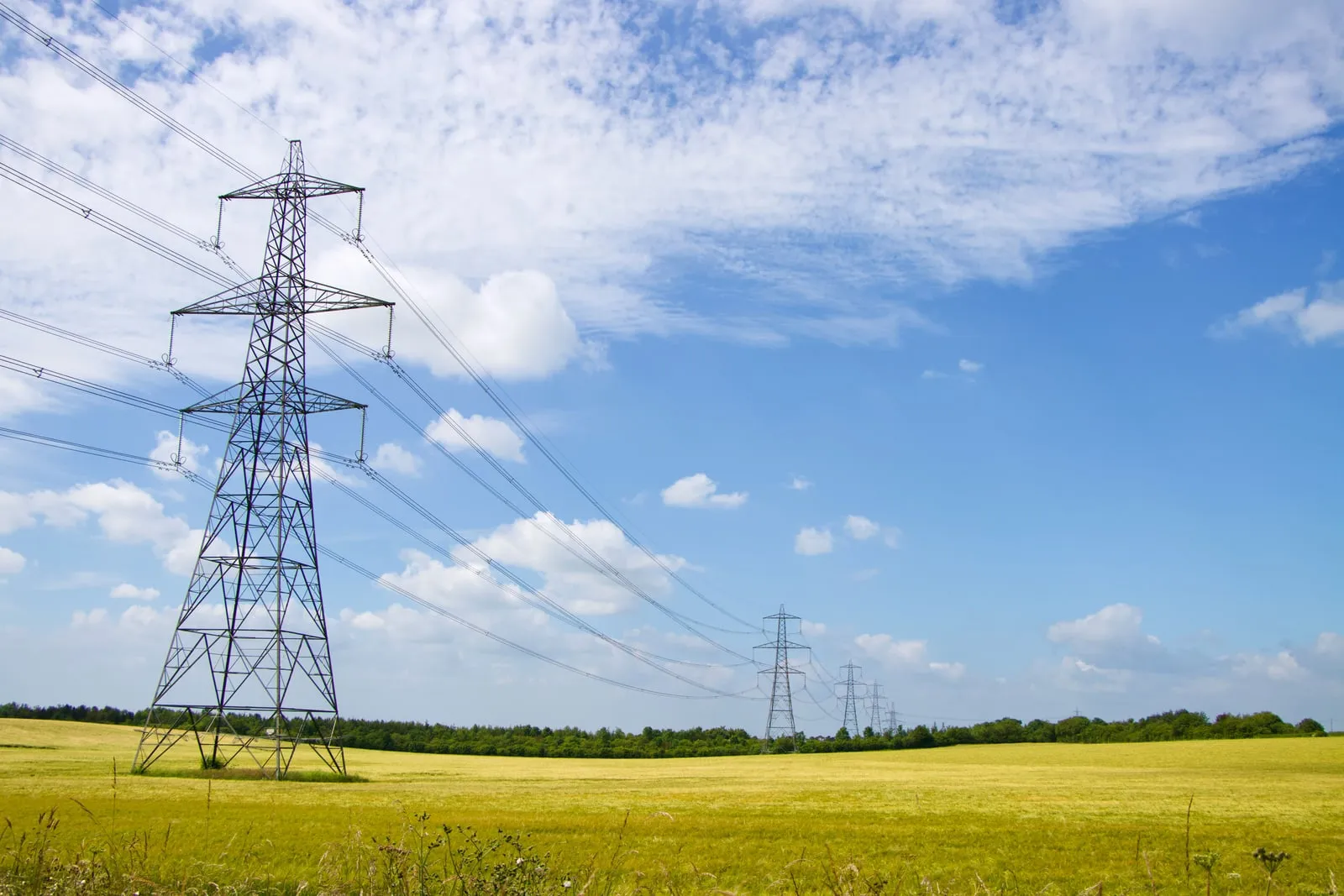
EverWind puts construction employment at about 2,000 positions and permanent operating employment at 215 — a ratio that is characteristic of data centres and is usually the contested part of any such announcement. Its economic consultant Davis Pier projects about C$2bn in provincial GDP during construction, including roughly C$2.4bn of direct construction spending, and about C$137m a year at full operation. The release projects about C$1.5bn in provincial corporate income tax over the initial 20-year term and more than C$400m in municipal tax revenue over the projects’ lives, with a community benefit programme for the Strait Region valued in the tens of millions for the first phase.
The C$2bn wind investment is attached to four existing projects in EverWind’s Nova Scotia portfolio: Bear Lake, Windy Ridge, Kmtnuk and Upper Afton.
Power, water and who owns it
Those are the questions a 420-megawatt campus raises in a province of under a million people. Jacob Glick, Anthropic’s head of public policy in Canada, told Reuters the company would protect ratepayers and water resources while making sure local communities benefit.
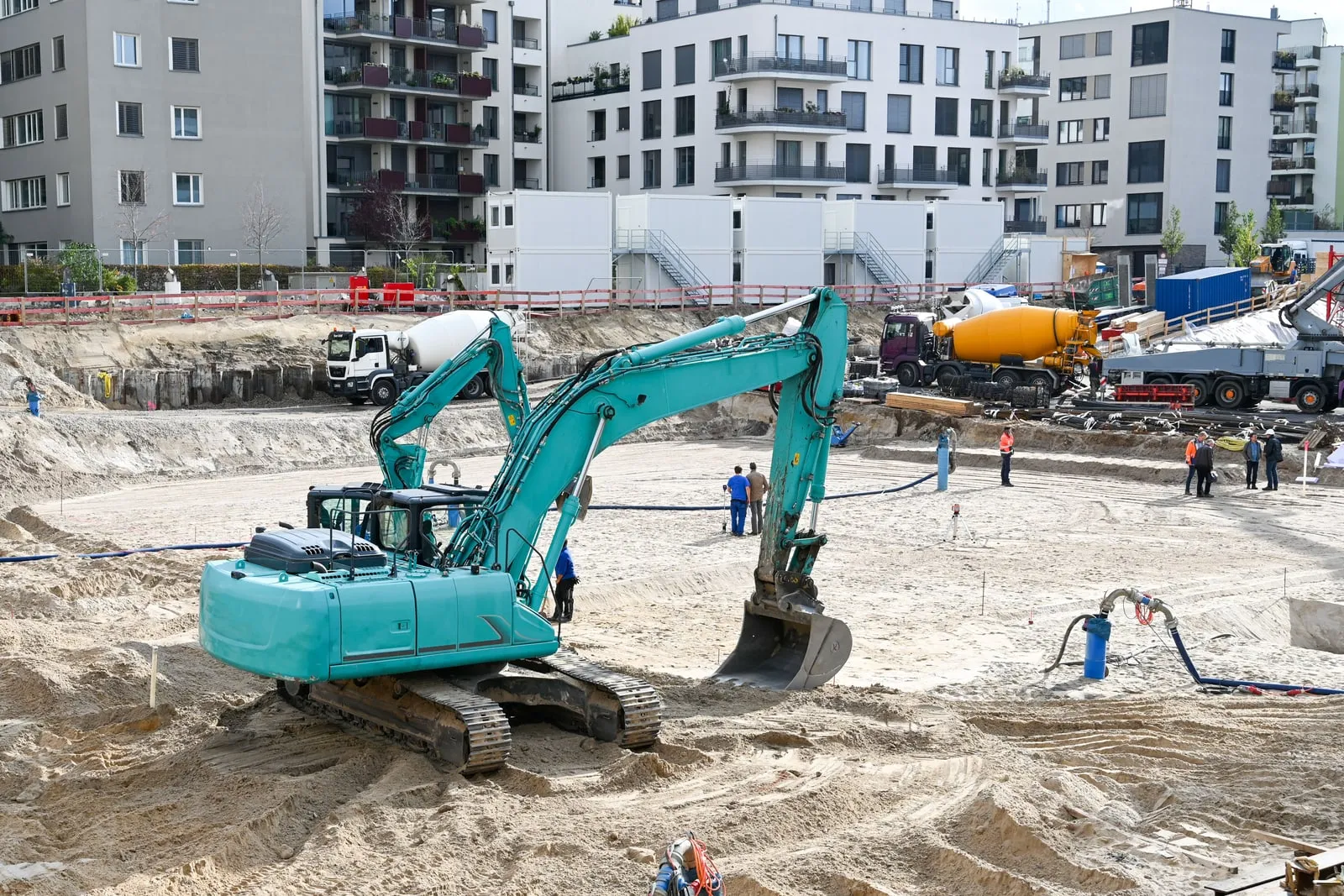
EverWind says it is negotiating with a First Nations consortium led by Membertou Development Corporation for an ownership stake in the campus, subject to completing the applicable agreements. Chief Terry Paul of Membertou First Nation is quoted in the release saying EverWind has done the hard work to prioritise sustainability while bringing an innovative opportunity to the island. Lois Landry, warden of the Municipality of the County of Richmond, is quoted more carefully: there are still important details to work through, but these are encouraging steps.
The context on Anthropic’s side
The lease lands while Anthropic is spending heavily on compute. Reuters notes it spent $7.33bn on computing and infrastructure last year, roughly triple its 2024 figure, and that the company is preparing a US listing.
What to watch
The conditions. EverWind’s own release makes the 325-megawatt expansion contingent on system studies and grid approvals that have not happened, and the First Nations ownership stake contingent on agreements that are not signed. The first test is whether the 95-megawatt phase reaches its late-2027 target.