What XPeng announced
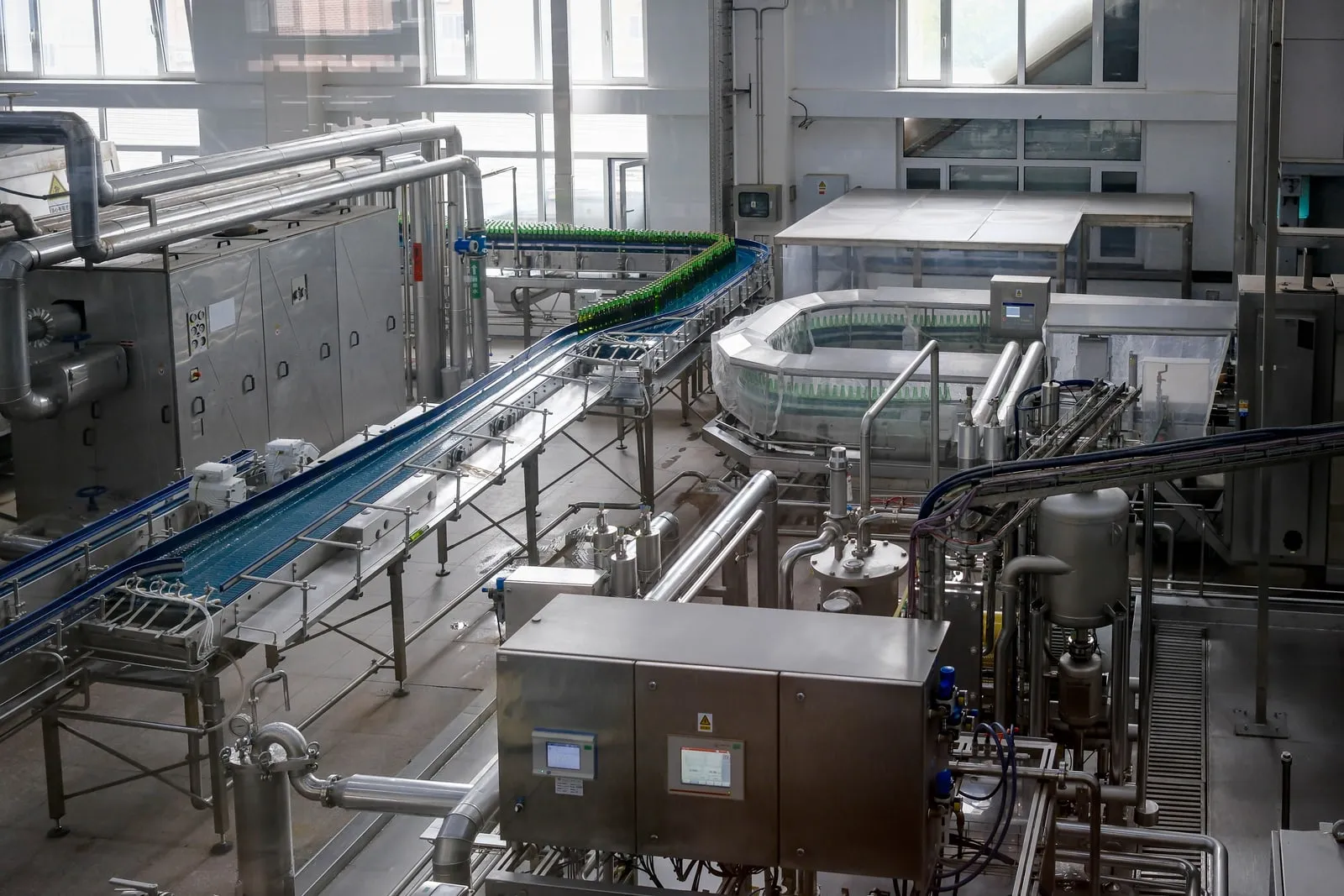
XPeng said on 8 September that it had commissioned its humanoid robot production line and that the first IRON unit had completed assembly and walked off the line under its own power.
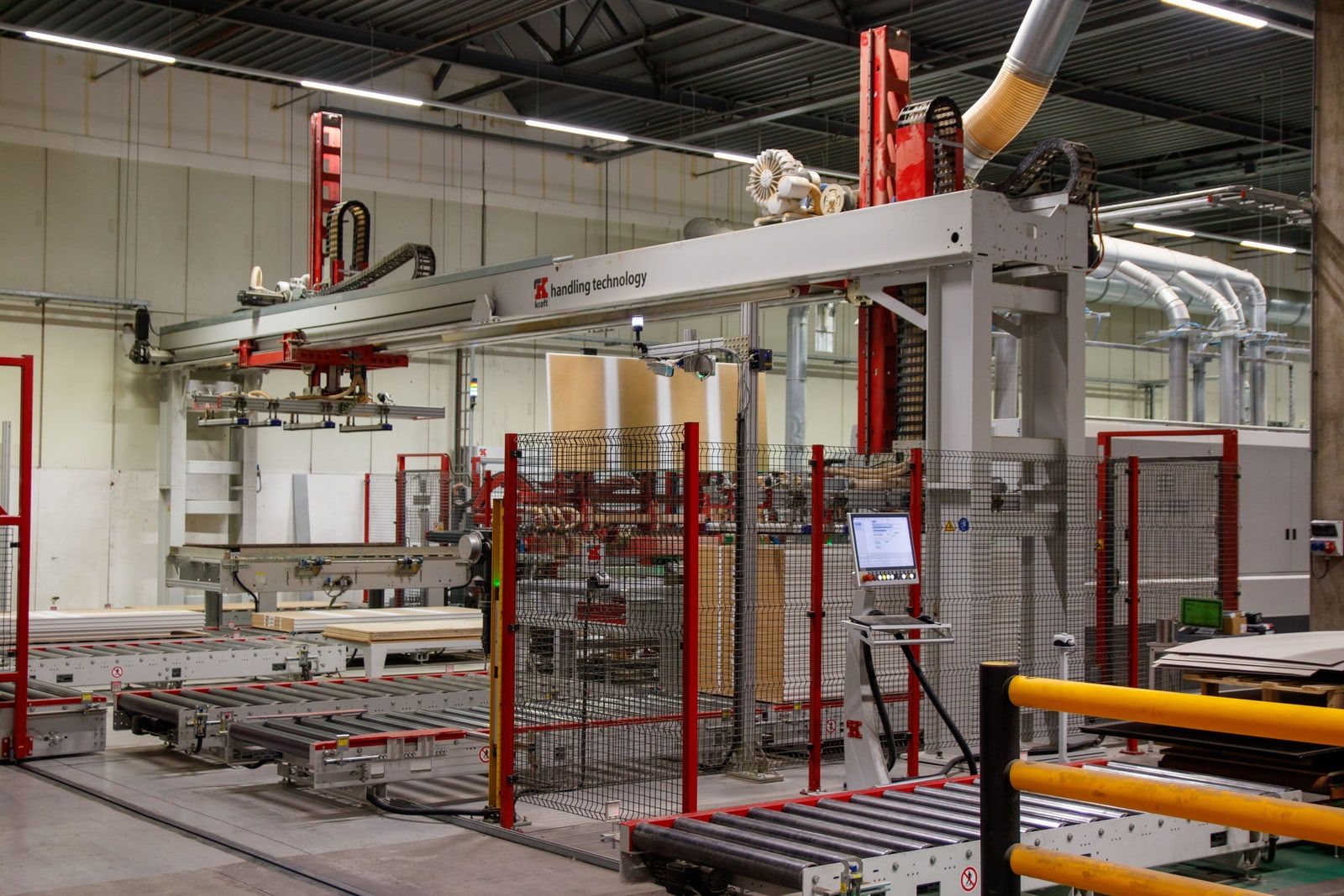
The company says core process automation on the line exceeds 80%, and describes it as the world’s first automated production line for advanced humanoid robots — a claim that is difficult to verify and should be read as XPeng’s own. It combines automotive-grade quality systems from the company’s electric vehicle business with precision robot assembly.
XPeng reaffirmed that mass production will begin by the end of 2026, with commercial launch and deliveries in China and overseas during 2027.
The specifications
IRON has 76 degrees of freedom across its body and 21 in each hand, and runs on three of XPeng’s own Turing AI chips delivering a combined 2,250 TOPS. Hand dexterity is the harder half of that number: gross locomotion has been broadly solved across the sector, while manipulation with anything approaching human finger counts remains the constraint.
The robotics division raised more than $900 million at a $6.3 billion post-money valuation, which XPeng calls the largest private raise in China’s embodied AI sector to date.
Where the robots will actually go
The first deployments are internal. XPeng says IRON units will work in the company’s own stores and industrial parks, handling customer reception, vehicle introductions, visitor guidance, inspections and small-item handling.
That is a sensible and unglamorous list, and it is the tell. Every one of those tasks happens on flat floors, in controlled lighting, among staff who can intervene, and none of them is time-critical. Deploying into your own retail estate first means the failure mode is an awkward customer interaction rather than a contract breach — and it gives the company a fleet generating operational data before anyone external is paying for uptime.
The competitive frame
Electrek framed the announcement against Tesla’s Optimus programme, which has repeatedly moved its production timelines. XPeng’s advantage here is not its robot; it is that it already runs a car factory. The bottleneck in humanoids has moved from whether a machine can walk to whether anyone can build thousands of them at consistent quality, and that is a manufacturing problem carmakers are unusually well placed to solve.
What to watch next
The year-end mass production date, and what “mass” turns out to mean. The sector’s history is of production targets sliding by a year at a time. The number to look for is not units built but units deployed outside the manufacturer’s own premises, because that is the first point at which a humanoid has to work for someone who did not build it.