The case
A district court in Wuhan has treated the cost of tokens as a damages factor in a copyright case, in what the Jiang’an District People’s Court announced on 23 September as the first case of its kind in Hubei province.
The plaintiff used generative AI tools to make a 47-episode short drama, “Cloud Above XX”, running about an hour in total. It was registered with China’s National Radio and Television Administration and released on the Hongguo short-drama app and a WeChat Video Channel. One day after release, the defendant copied the whole thing to its own WeChat Video Channel account, retitled it “Woman XX” and ran advertising against it.
Why the drama counted as a work
The court held that the drama qualifies as a protected audiovisual work because human beings made what it called continuous, substantive intellectual contributions at every stage: they planned the plot, wrote the text, adjusted the prompts, chose the characters and scenes, selected which generated material to keep, edited the result and synchronised the audio.
The test the court applied is control rather than effort. It found that the humans exercised foreseeability and substantive control over the final expression, and that the AI functioned as a technical tool. That is consistent with the line Chinese courts have taken since the Beijing Internet Court’s ruling of 27 November 2023 on an AI-generated image, and squarely at odds with the position of the US Copyright Office, which requires human authorship of the expression itself rather than of the process that produced it.
The part that is new
The novelty is in the damages. Alongside the factors a court would normally weigh — the work’s runtime, how widely it was distributed, how soon after release the copying happened, how long the infringement lasted, the degree of fault — the court also counted the computing costs arising from token consumption during generation, and the licensing fees paid for the commercial AI tools used.
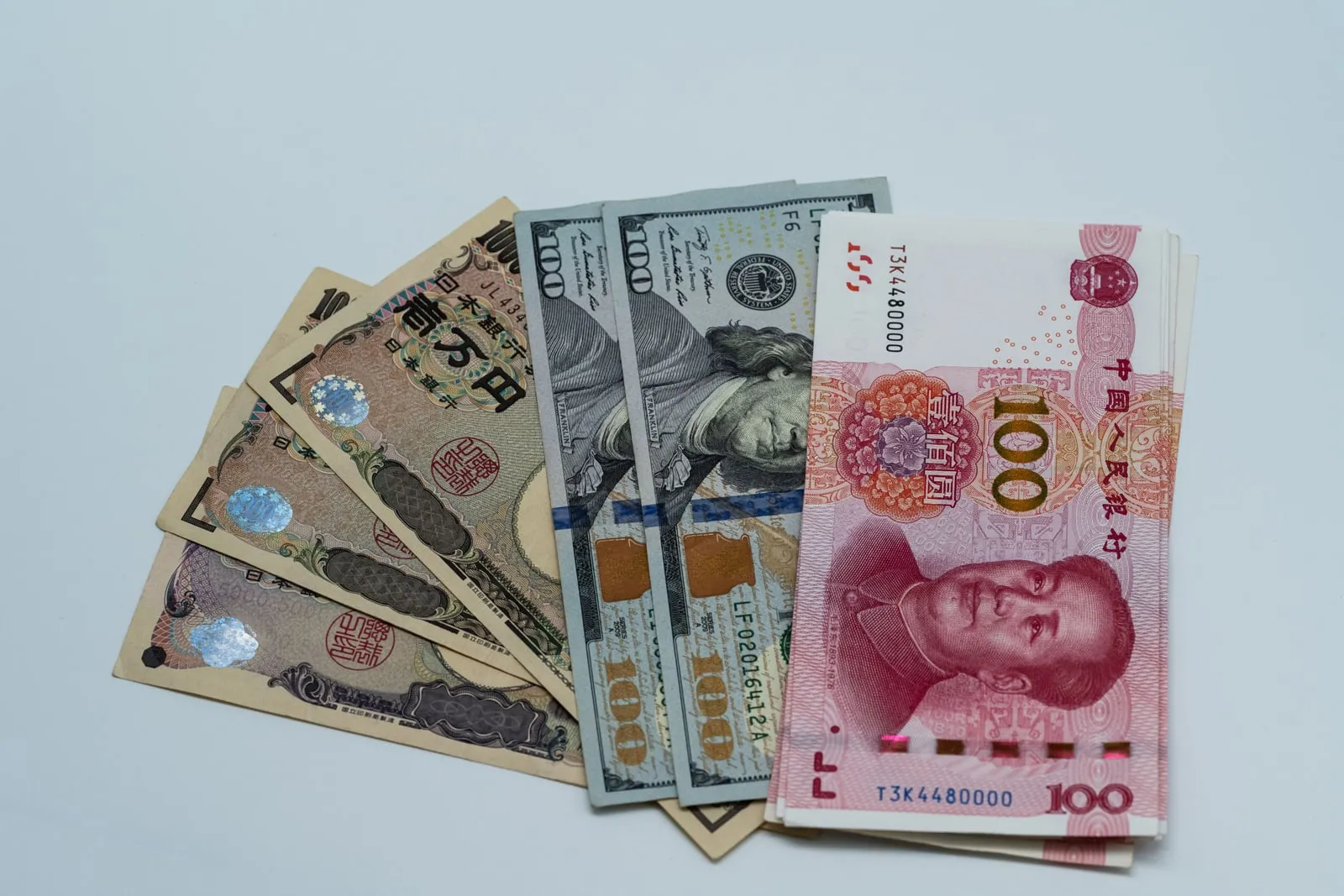
The award was RMB 20,000, roughly $2,900, in economic losses plus reasonable expenses. That is small money. The reasoning is not: it treats an inference bill as a production cost of the same kind as a camera rental, which is the first time a court has put a number from an API invoice into a copyright award.
The court also observed that AI-assisted, human-machine creation “has become a method used by an increasing number of creators”, that it has lowered barriers to creation and expanded the scope of artistic expression.
What to watch
The practical advice that follows is documentary. A producer who wants this protection needs to keep the scripts, the prompt drafts, the project files and the invoices — the prompts to establish authorship, the invoices to establish loss. Whether other Chinese courts adopt the token-cost factor, and whether anyone tries to argue it in a jurisdiction where AI-generated output is not protected at all, are the two things that decide how far this travels.