What the forecast says
The World Trade Organization released its Global Trade Outlook and Statistics on 8 October. It now expects world merchandise trade volume to grow by 3.9% in 2026, up from the 1.9% its economists forecast in March, and by a further 4.1% in 2027. Global GDP growth is forecast at 2.6% this year and 2.9% next.
The services forecast moved the other way. Commercial services trade volume is now expected to grow 3.3% in 2026, down from the 4.8% forecast in March, before rebounding 6.4% in 2027.
The sentence behind the upgrade
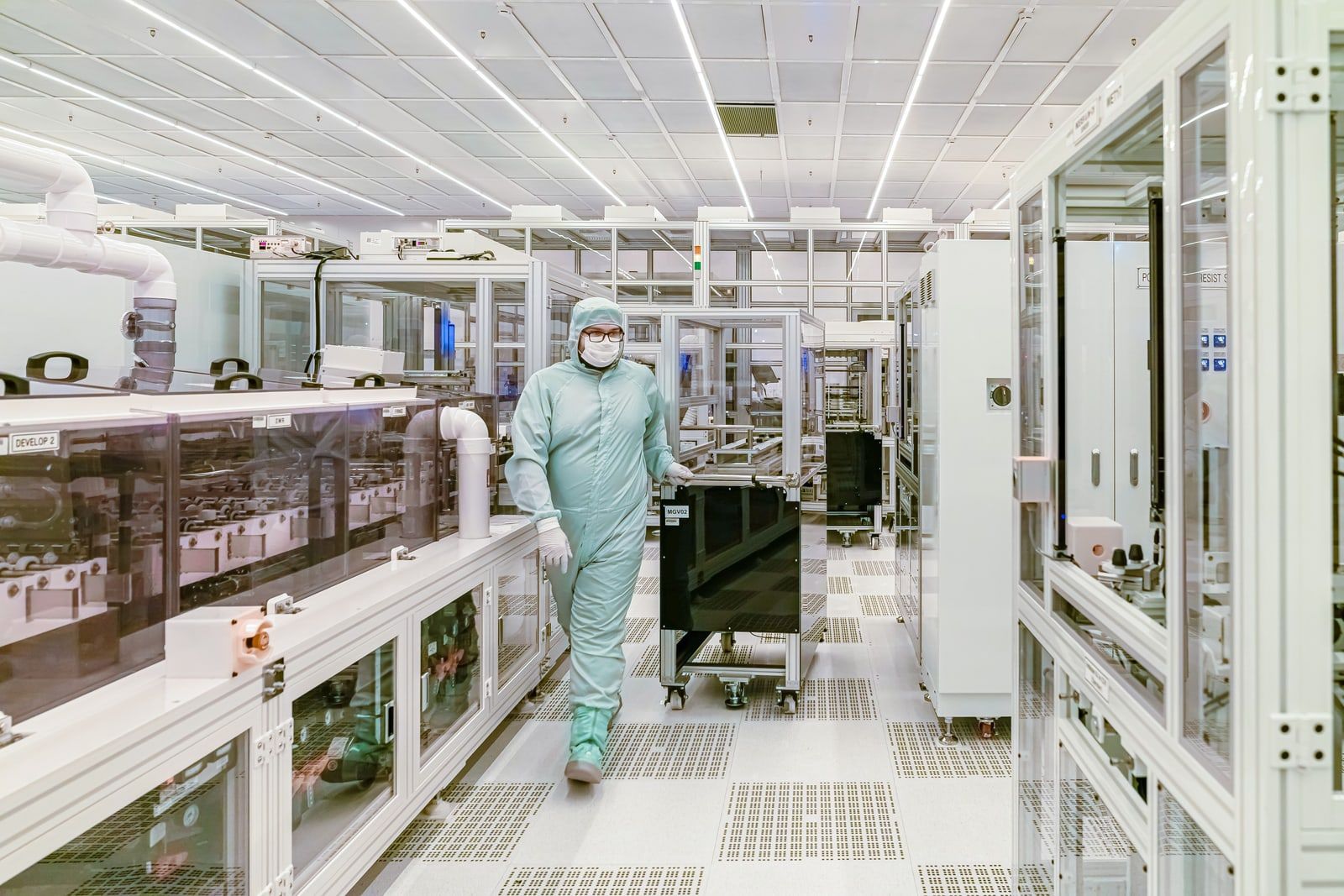
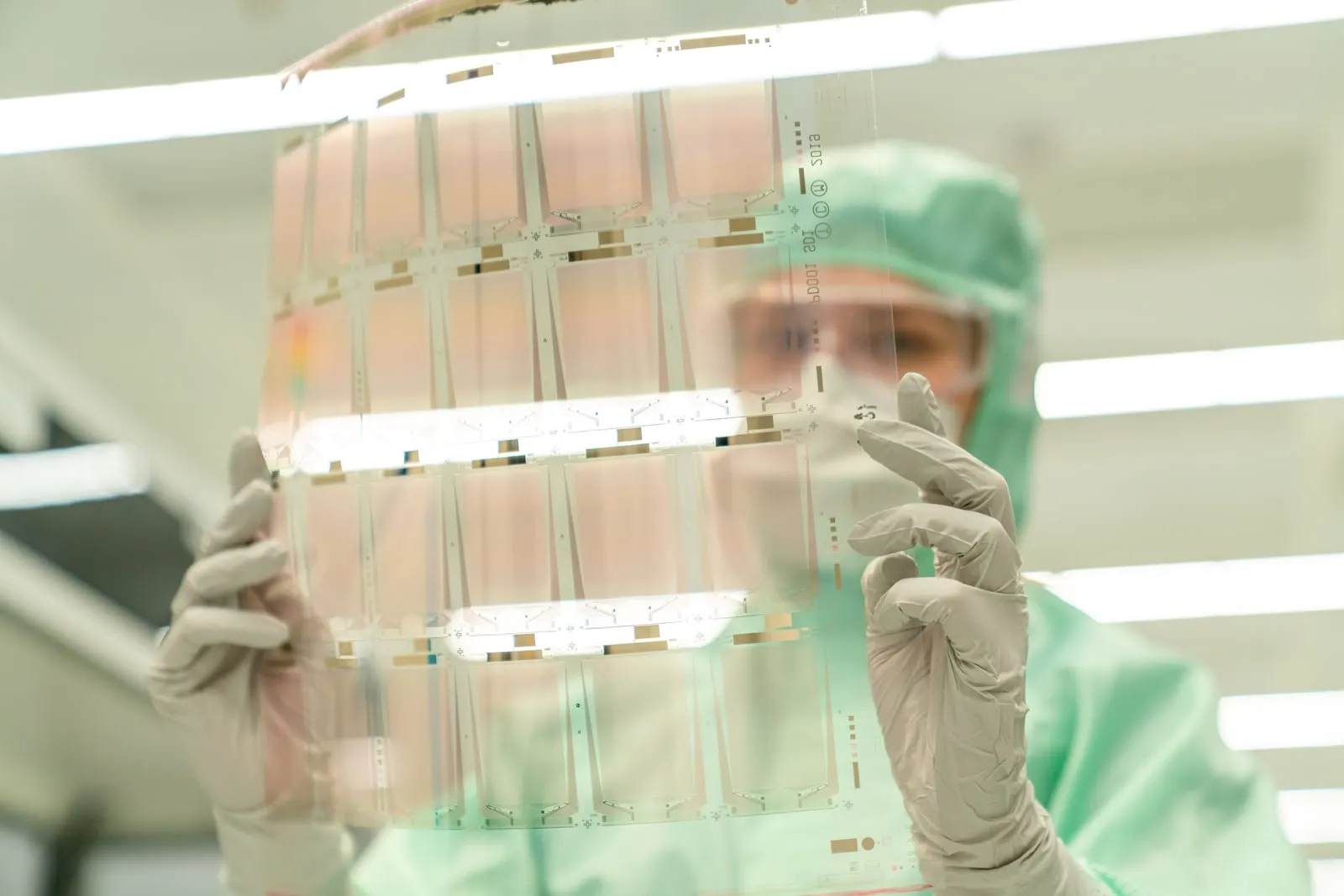
The reason for the revision sits in one line of the WTO’s release: “Demand for AI-enabling goods such as semiconductors and servers accounted for 47% of global merchandise trade growth in the first half of 2026, and trade in these products rose by 67% year-on-year, accelerating from the already rapid expansion seen in 2024 and 2025.”
Total merchandise trade volume grew 3.5% in the first half. One category of equipment, bought mostly to fill data centres, supplied nearly half of that increase. The report carries an analytical chapter on trade in AI-enabling goods and what the investment boom is doing to regional specialisation.
What it offset
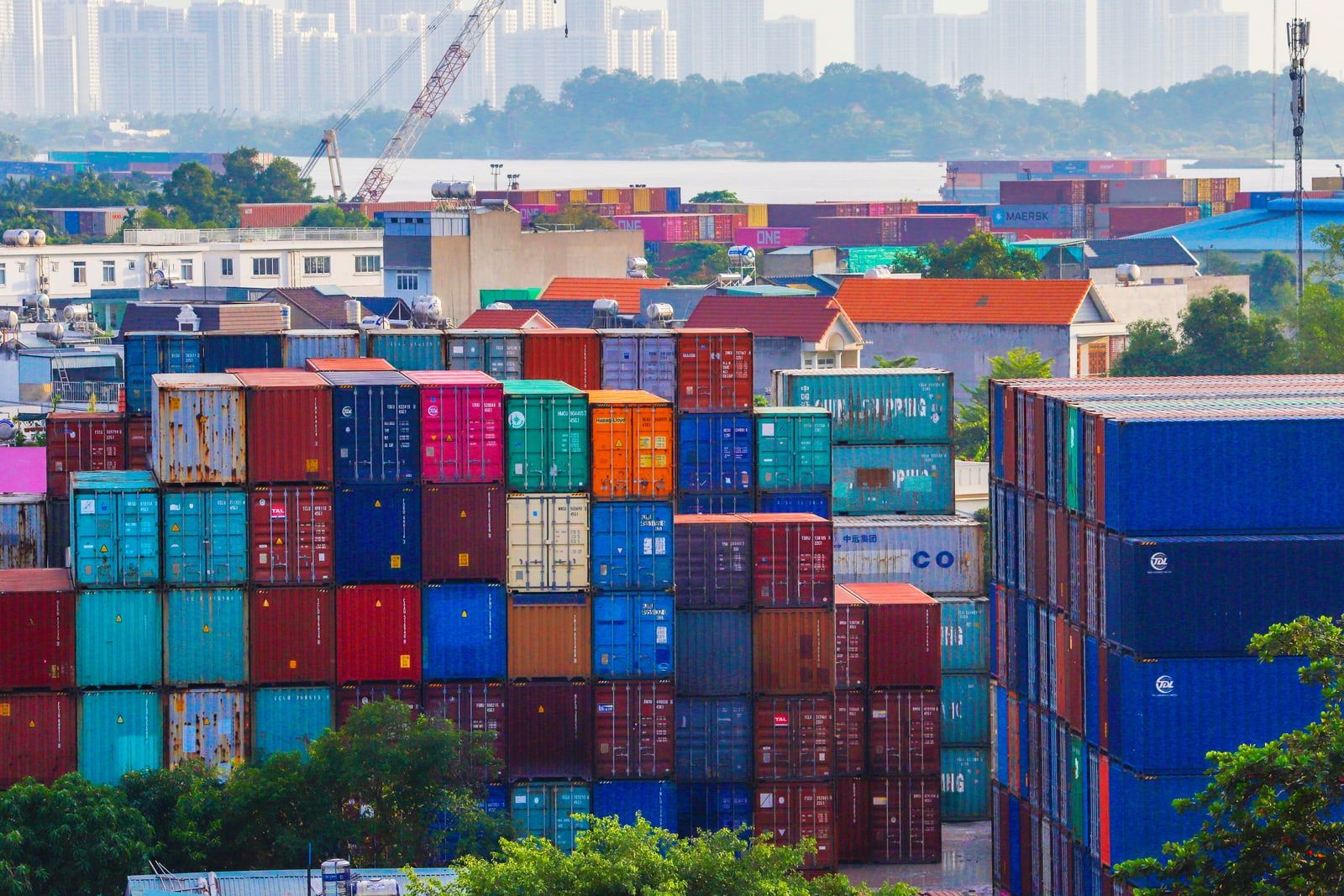
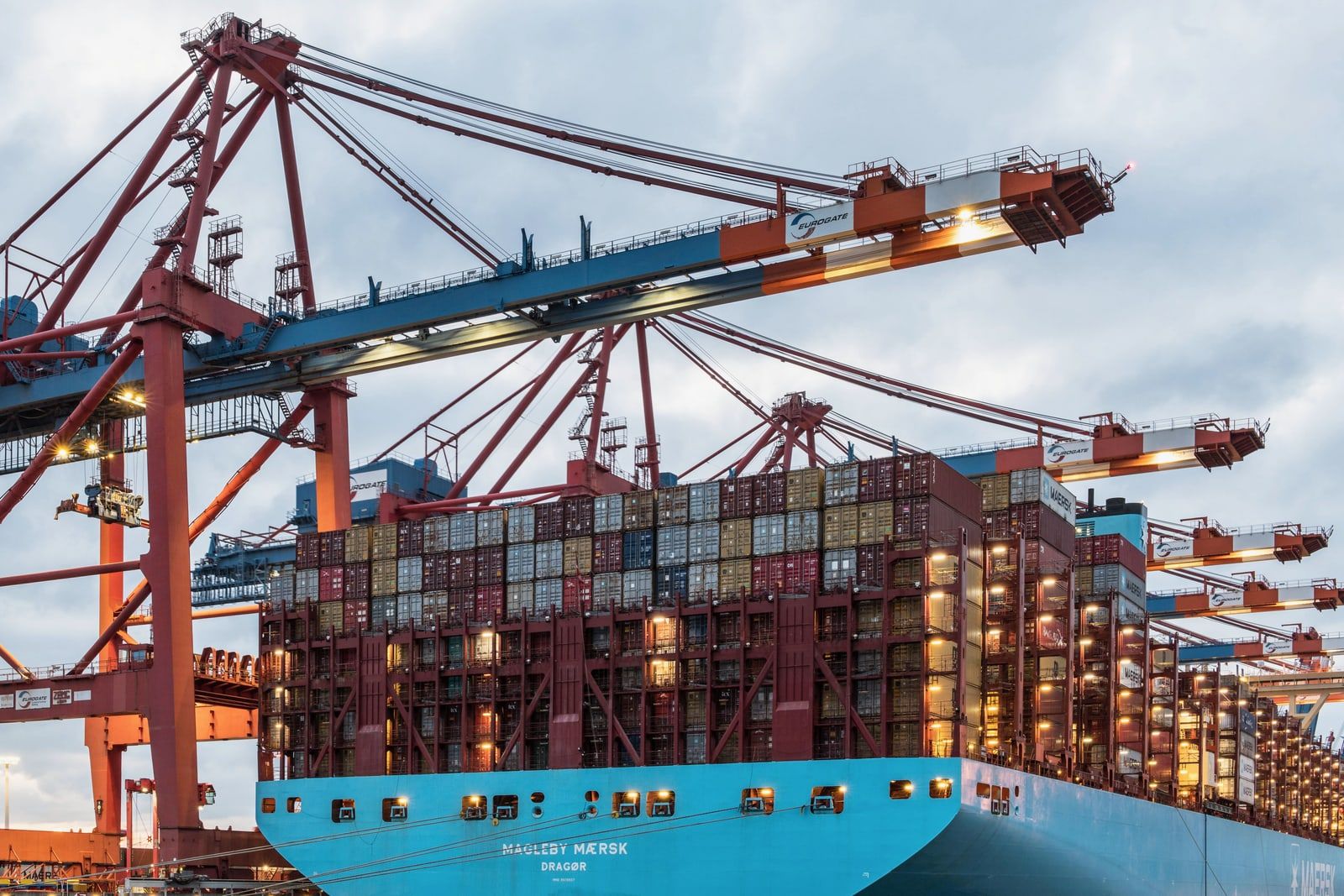
The AI boom is the reason the WTO raised its forecast in a year of war. Crude oil exports from the Middle East fell roughly 24% in the first half and liquefied natural gas exports 47%, but shipments from other suppliers held the decline in global exports to around 6% for crude and 1% for LNG. Fertilizer markets adjusted too: global imports of nitrogenous fertilizers finished only 2.8% below recent averages and phosphatic fertilizer imports were 2.2% higher. Container throughput rose 3.9% year-to-date through July as cargo was rerouted.
Services absorbed the shock instead. Commercial services trade grew 14% year on year in value in the first quarter and 10% in the second, with the slowdown concentrated in transport and travel. Travellers’ spending abroad rose just 5% year on year in the second quarter, against 15% in the first, and international tourist arrivals fell 0.8%. Digitally delivered services held up: computer services exports rose 18% in the first quarter and an estimated 12% in the second, and financial services exports 14% in the second.
An uneven map
The WTO expects Asia to record the fastest merchandise export growth this year at 9.9%, followed by North America at 5.7%, Africa at 5.6% and South America at 3.4%. Europe is forecast at -0.1%, the Commonwealth of Independent States at -3.9% and the Middle East at -17.2%. On the import side Asia leads at 9.5%, ahead of Africa at 8.9% and the CIS at 8.8%, while North America manages 1.4% and Europe 0.5%.
Director-General Ngozi Okonjo-Iweala framed the split in the release: “Nevertheless, some have felt the shock more than others, and not everyone can access emerging opportunities like AI. It is essential to ensure that the rules-based trading system continues to absorb shocks and bridge gaps so that opportunities are open to all.”

What to watch
The forecast rests on capital expenditure continuing. The WTO says global AI infrastructure spending is projected to rise by at least 30% in 2026, and that current market projections have it rising a further 10-20% in 2027. That assumption now carries a large part of the organisation’s view of world trade: if AI capex flattens, so does the number that made this year look resilient.
The next test is the WTO’s spring update, and whether a category the organisation still measures as a minority of world trade is still supplying half of its growth.