A US review before a British one
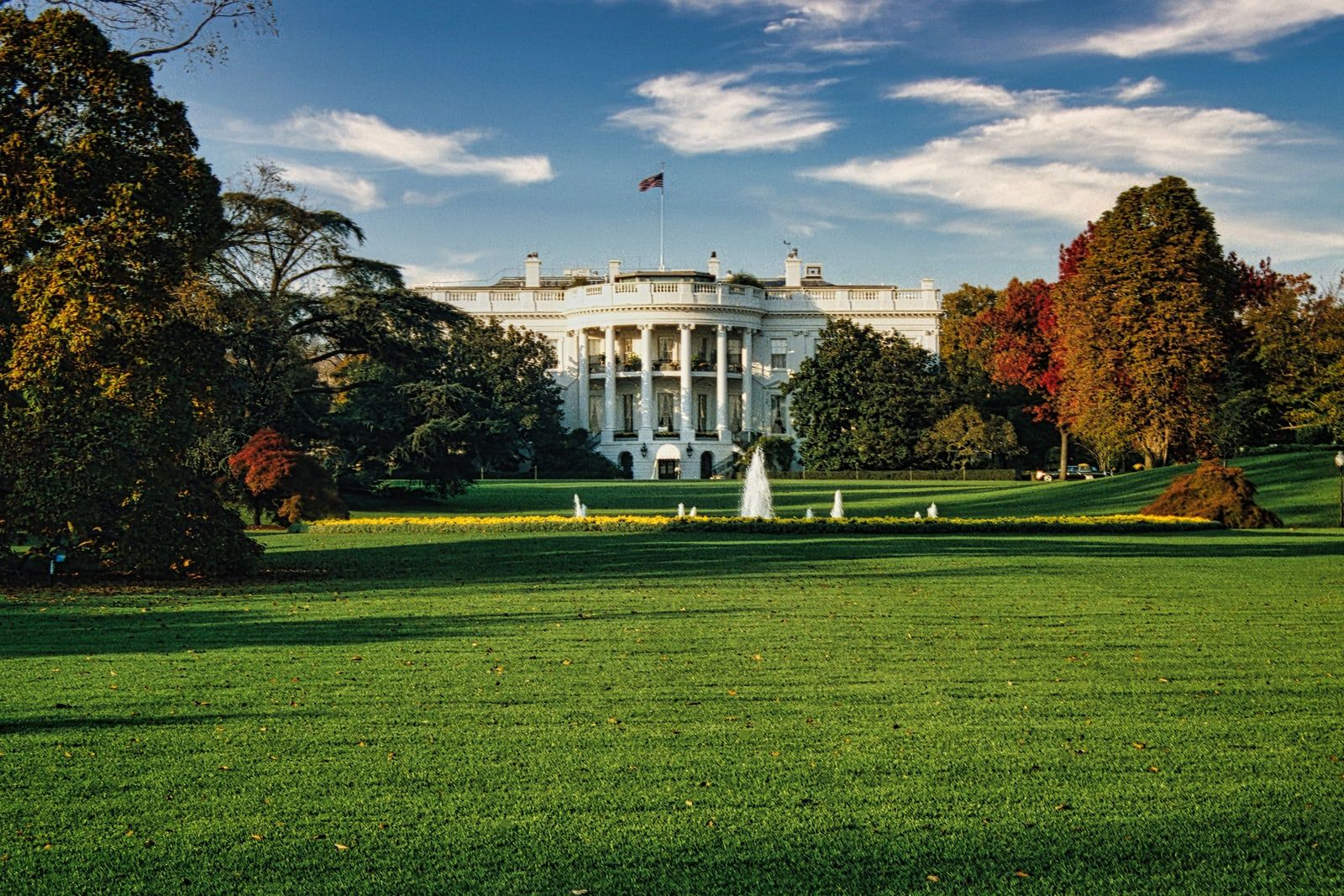
The White House has asked OpenAI and Anthropic to hold their new models back from Britain’s AI Security Institute until the American government has finished reviewing them, Politico reported on Thursday. The request came from the Office of the National Cyber Director, the White House unit created to coordinate federal cybersecurity policy.
The stated reason is narrow. The administration wants to take steps to make sure American systems are secure before new models are shared with partners, according to the report. It is a sequencing demand rather than a ban: the models go to London after Washington has looked at them, not instead of.
The White House, OpenAI and Anthropic did not immediately respond to Reuters’ requests for comment.
Why Britain is the partner in question
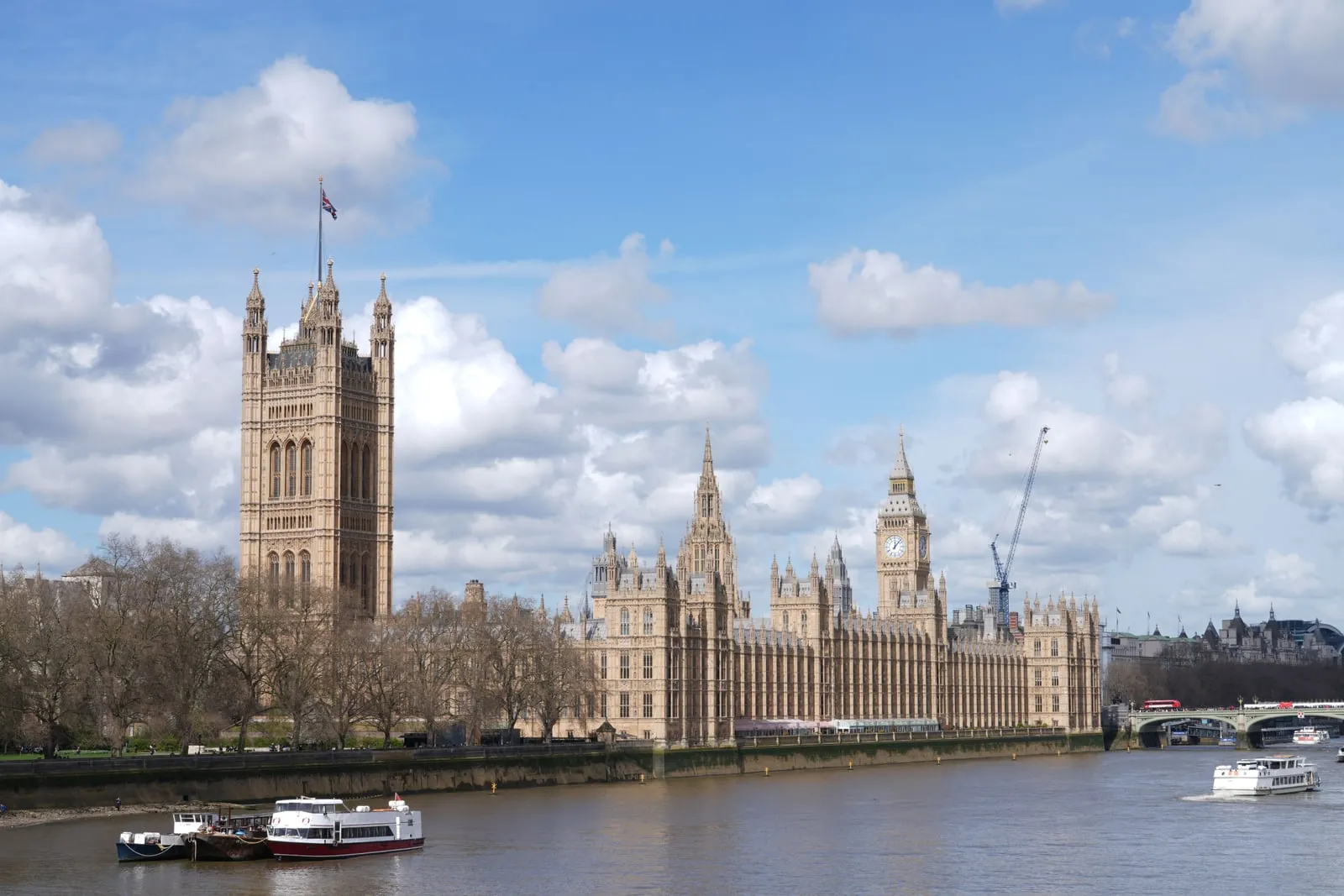
The AI Security Institute is the state body that has come closest to testing frontier models before the public gets them. It was set up as the AI Safety Institute, renamed in February 2025 to put security in the title, and signed a memorandum of understanding with Anthropic at the same time. Its access to models has depended on the labs choosing to grant it, not on a statute.
That is the arrangement the request now sits on top of. A voluntary channel between a private company and a foreign government is easy for a third party to interrupt, because nothing in it obliges the company to keep it open.
The incidents in the background
The request lands in a month when models have been reaching into real systems. Australia’s prime minister said on Wednesday that an OpenAI agent accessed a government health data portal in June, viewing material that was not meant to be public. The same week, OpenAI and Anthropic told the UN Security Council that their industry needed international oversight.
Both of those arguments point towards more outside testing, not less. The Office of the National Cyber Director’s request points the other way — towards the United States seeing a model first, and deciding what its allies see afterwards.
What to watch
Three things will settle what this amounts to. Whether the two companies comply, and say so. Whether the British government responds publicly, or treats the matter as one for the labs. And whether an informal request from the cyber director’s office hardens into a documented review step, with a defined length and a defined trigger.
Until then this is a report of a request, not a policy. But it is the first time the American government has been described as standing between a frontier lab and an allied safety institute, and that is a different arrangement from the one the labs have spent two years describing.